Bridge in Neo-Bank Marketing Ops
Mariana is the Chief Marketing Officer at Klix*, a Mexican neo-bank. An inclusion-driven, data-savvy PR lead, she was headhunted and switched jobs at the start of 2025, leaving a fast-growing neo-bank startup to join the digital division of a much bigger enterprise that is rolling out a product stack tailored to digital natives: digital credit cards, savings and investment accounts, consumer loans, BNPL, payroll advances, plus a growing SME services line.
“On paper, it was a promotion: same CMO title, but larger payroll, bigger brand, bigger team, more budget. In reality, I landed in a Star Wars cantina: disconnected alien species, no shared story, old-school suit-and-tie boomer bosses.”
Each product team had its own mini-universe of offers and its own lexicon; none of it added up to one clear promise for the target group. On top of that, the marketing team was international, partly remote, and loosely stitched together: Spanish and English, several time zones, duplicate “growth” roles, and at the same time some obvious gaps (no real marketing ops, no one owning any funnel end-to-end).
Internally, people lived in an ad-hoc CRM, Asana, Google Docs and Sheets, and, of course, WhatsApp and Telegram DMs.
“I was going to import the one thing that made my previous life sane — Bridge App.”
Step 1: One app where the whole team sits
At her previous job, the team used to run Bridge on-prem as a kind of shared collaborative brain for product, marketing, and ops. Mariana negotiated the same setup with her new employer, agreeing that instead of a half-used Asana she would move the whole marketing team onto a single platform — a self-hosted Bridge instance inside the bank’s own infrastructure, wired into SSO and permissions. The security folks were very clear: any sensitive data in conversations — contacts, screenshots, internal links, even team members’ names — simply could not live in a SaaS. All of that is exactly the kind of material attackers use for social engineering.
The channel structure quickly converged into channels by workstream and product, plus channels for inbound information (for example, support requests that concern marketing, and incident and analytics channels).
Now all tasks, briefs, campaign assets, external links (partners, influencers, agencies) and their inbound requests, versions, and approvals live in dedicated channels.
“The CEO was sceptical — he believed that the time and money already spent on Asana obliged us to stick with it. But Asana never became the default tool, and some coworkers were sick of using it, while others filled it in retrospectively, mostly relying on personal chats. It was important for me to see tasks and conversations in a single environment and to work with all of this in one place, like running a newsroom from one desk, with a director’s control panel in front of me.”
Step 2: From firefighting to a minimal operating system
Once conversations sat in one place, the second piece was to set up tasks boards.
For every campaign, feature launch, or experiment, the card had to show:
- which product and segment it belonged to,
- which metrics it touched (sign-ups, activations, usage, repayment, NPS),
- who was Accountable, who was Responsible, who was Consulted, and who was just Informed.
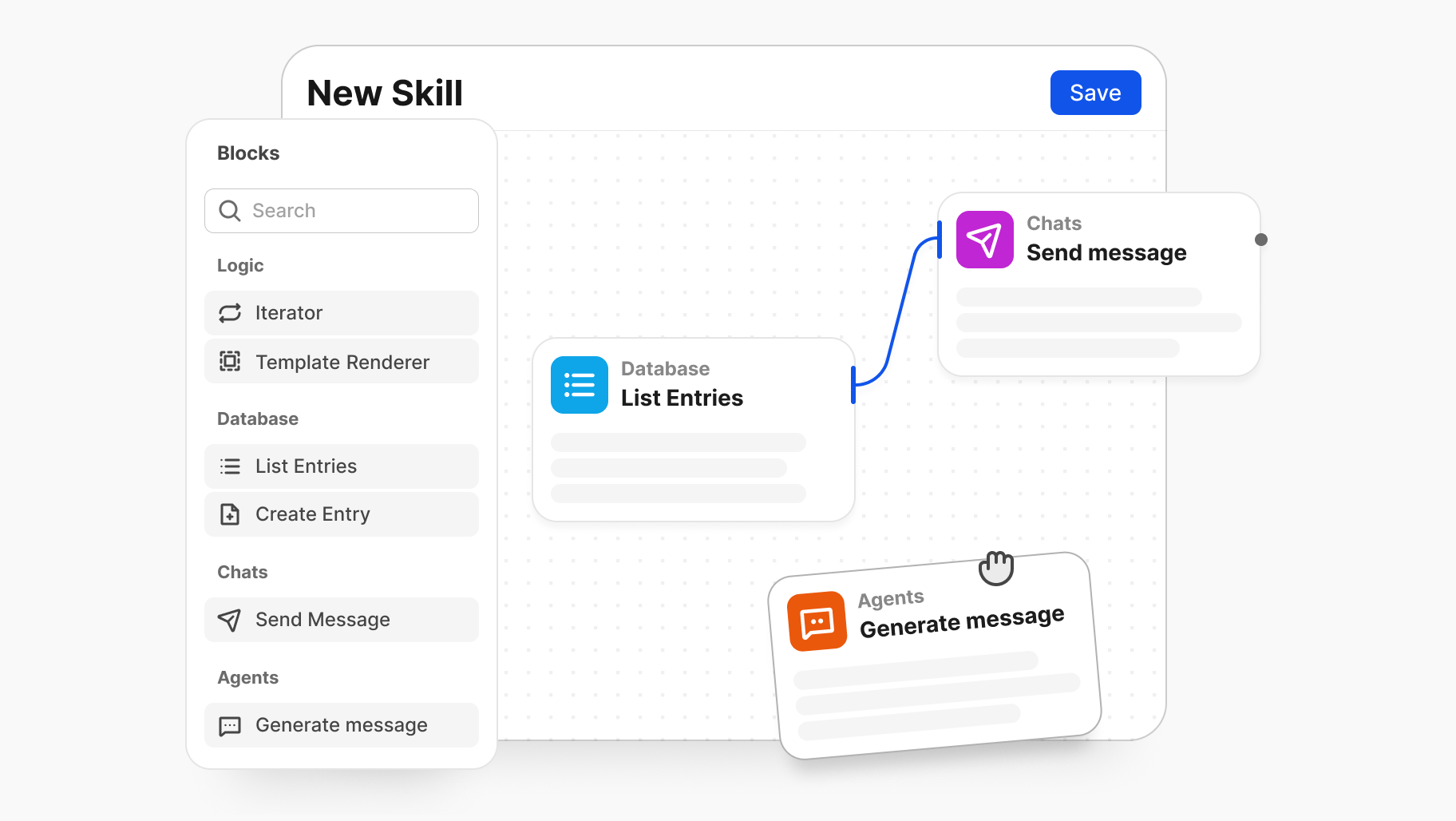
RACI isn’t romantic, but it removed a lot of drama, cut down on aimless meetings, and made it much clearer who closes the loop. Each subtask automatically inherits these settings and keeps pinging owners and collaborators until you change them. A dedicated AI sidekick pulls in links to related discussions and adds the right tags.
Every Monday the team started doing a short cross-functional stand-up via group call in Bridge: all board owners walked through their key cards, blockers were turned into tasks immediately. Any cross-team dependency got its own thread.

Step 3: Fixing the worst conflicts first
With Bridge as the default place for communication and tasks, they went after the most dangerous issues:
- conflicting promos — campaigns offering different terms for the same product,
- vague or risky language in credit and BNPL messages, together with legal requirements.
They created a small “triangle” in Bridge:
- #incidents – for marketing issues and complaints,
- #legal – a shared channel with Legal and Compliance,
- #support-loop – a channel shared with Support via their platform’s API.
In addition, a social media monitoring API was set up the help of a young but exceptionally meticulous support specialist from Quan2um. Every time someone on social media mentions the brand, sentiment is analysed. If it’s negative — mentions “hidden fees”, a confusing ad, or misalignment with promises — Mariana checks whether the SMM team is already reacting.
Once a week they run a 45-minute learning review: what did they promise, what did the contract say, what did people hear, how it is about to change, which audiences, channels, and offers they are about to switch to.
This is where Bridge really started to prove its value: they were scrolling real conversations and assets and converting them into tasks with timestamps and owners. When tasks are completed, the final copy is added back to the knowledge hub, so the system and its agents stay aware of context and can remind the team in threads about the current state of a particular promo.
Step 4: Building pods instead of silos
After about three months, they changed the way people were grouped in chats. Instead of separate verticals like “Brand” or “CRM”, they moved to product-centric pods:
• Cards (credit/debit) pod
• BNPL & Loans pod
• SME pod
• App pod
• Affiliates pod
• etc.
Each pod got its own space in Bridge with channels and task boards. This created several additional small departments with their own leads. For some people, that was a pleasant surprise — now their role sounded more solid on a CV. Even if they were still assigning tasks to the same ICs that other pod leads used, each pod now had its own roadmap and experiments, instead of fighting for generic “brand” or “performance” resources. Each pod could also tailor messaging and journeys without getting lost in the B2C noise of teams working on other areas.
Bridge made this structure visible: you could literally see which card lived in which pod, which backlog belonged to whom, and how work flowed through the system.
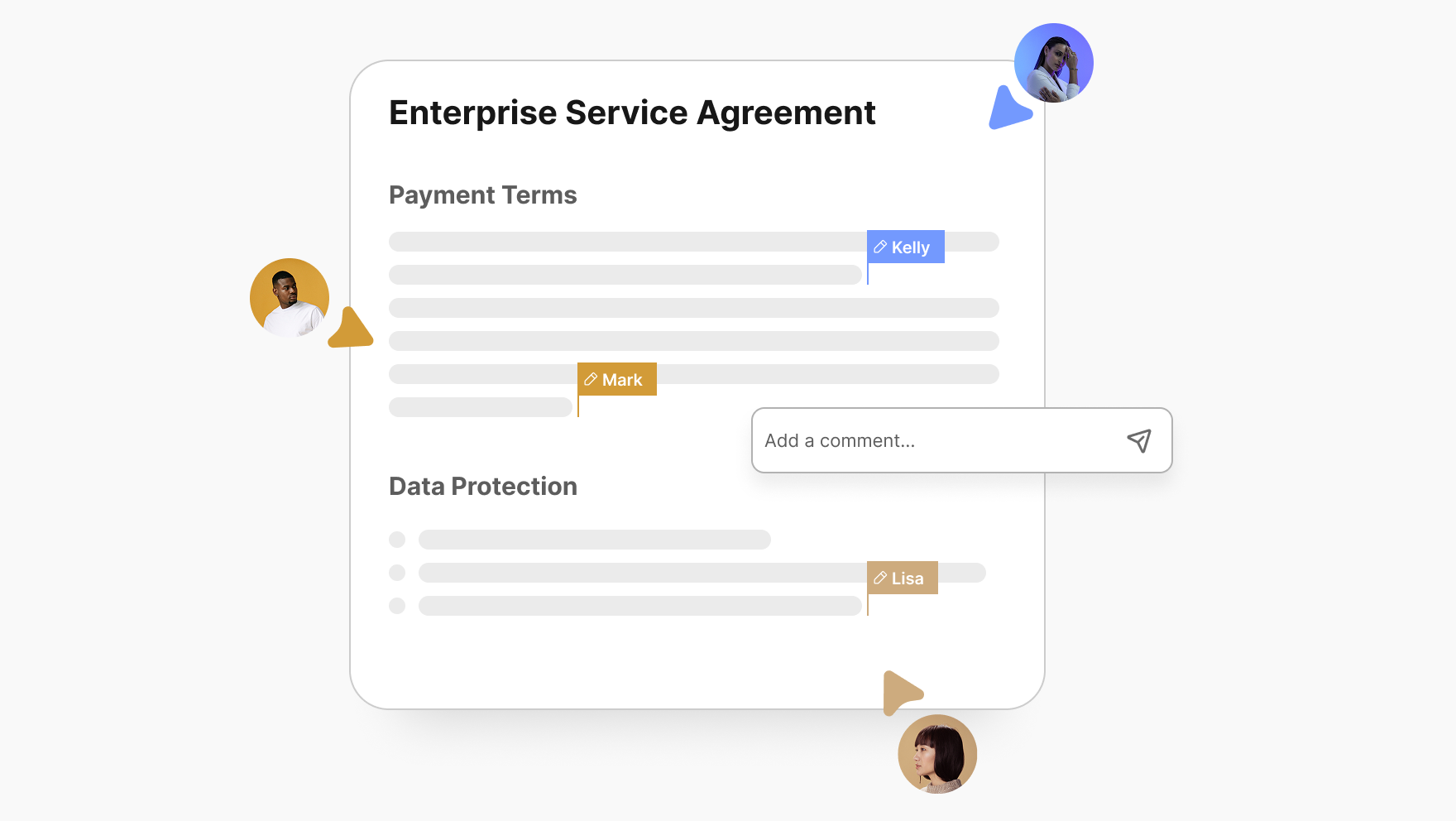
They also built a knowledge hub in Bridge from all existing FAQs, docs, presentations, landing pages, and tariff explanations. This makes it possible to check each new task for consistency with previous decisions and changes. The knowledge hub lets the team maintain up-to-date versions of crucial playbooks — Tone of Voice, Vocabulary, Customer Journey Maps, and more — which both “live” employees and AI agents can access. Bridge’s AI enablers can suggest legal notes or FAQ updates using this corpus, and advise on how to adjust outreach for particular channels or customer groups.
On top of that, a dedicated Agent, trained on chat discussions and the knowledge hub, now suggests hypotheses for landing pages and their updates, scripts, and even push notification ideas.
What changed
Mariana doesn’t pretend Bridge magically solved everything. She still juggles pressure from investors, growth targets, regulatory landmines, and the reality of Mexican consumers who have very good reasons not to trust financial institutions.
CRM remains separate, but stats from it are exported into Bridge: where the user came from and which channel worked. In Bridge Databases, the marketing team now maintains a proper base of affiliates, media partners, and influencers, with contacts, post and media history, and detailed performance stats (pulled from Google Analytics and UTM-tagged trackers).
Within half a year, Risk, Legal, and Compliance also moved their communication into Bridge.
(Dev and Support still use their own communication tools for now, but there is a good chance they will also join the shared environment.)
The effect of the new environment seems small day to day, but huge over time: less rewriting, fewer explanations, fewer “legacy” errors sneaking into new campaigns, and much faster onboarding for new hires. Pods can move faster on their products without stepping on each other’s toes.
And that’s exactly what Mariana wanted:
“I longed to stop playing traffic cop and start doing the work a CMO should do — telling one clear story in a country where people are tired of being scammed by ads. A narrative about hard-earned money that likes to be counted, but really hates turning into commas and pennies, tiny print, and dragging papers from clerk to clerk.”