BlogCase Studies
Running Global HR on One Platform: First Year with BridgeApp

Konstantin BuzzResearch Lead
4 min read
A first-year, agent-driven transformation of GRSCOPE HR Ltd. — a 15-person, partially remote IT talent People Ops from Helena Voik, head of International HR. (Semi-structured, chat-based interview with Helena (Jan 2026). Client-identifiable data was removed; examples use internal IDs only. Consent to publish was confirmed by Helena and GRSCOPE management.)
*This case describes a real client deployment. Results reflect one team’s first-year experience and may vary depending on team maturity and use case.
Hey — Helena here. I run international HR at GRSCOPE Limited (we hire IT folks worldwide for two dozen long‑term clients). The folks behind BridgeApp asked me to share how we rebuilt our ops with their tool.
Before BridgeApp (the mess in one paragraph)
We’re a 15‑person, fully remote team hiring across nearly all time zones and four main languages, reviewing thousands of candidates per month. Dozens make it to offers each month; last December, for example, there were 160.
The inbound was crazy: client requests, candidate applications, emails, questionnaires, tests, 1:1 video calls, preliminary agreements, budgeting and salary approvals — and way too many tools. We juggled a self‑hosted, ad‑hoc ATS, Slack for chat, OneDrive for files, Jira for tasks, Confluence for docs — plus random spreadsheets floating around. Screening queues collided with interview slots, offer and work‑agreement drafts bounced between HR and legal.
Onboarding checklists sometimes went stale. My key metric — time‑to‑productivity for new hires — drifted toward a month. I was close to losing our most important customer — you all know that brand for sure.
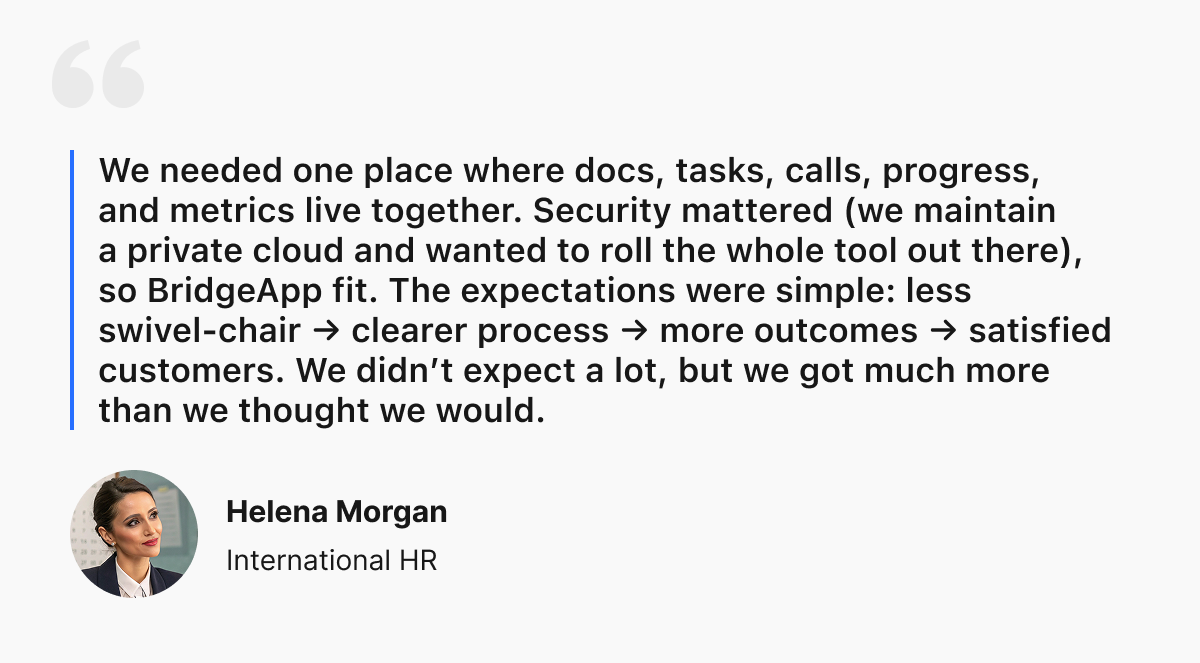
Why BridgeApp?
How we rolled it out
Feb 2025 — deploy. We set up a centralized HR knowledge hub: policies, checklists, goals, org map. Hooked calendars so every call lands in the right space, and the auto‑transcript and its summary arrive in minutes.
May 2025 — shared context. We set up living databases as part of a shared context — Person, Role, Skill, Grade, Policy, Contract, Meeting, Decision, Risk, Jurisdiction. Security is covered: immutable logs, explainability ("why this candidate?"), consent trackers, and retention policies. Context is also ethics‑aware: custom bias-check prompts, policy-driven checks configured inside agents, human‑in‑the‑loop for sensitive cases (offers, PIPs, exits).
Aug 2025 — agents & automations. We turned on AI agents — started with SourcerAgent and PolicyAgent — and wired them to tasks and calendars. Built automations across our main sourcing sites and email. Slot picking, meeting scheduling, and document tracking went hands‑off. BridgeApp operates alongside an existing ATS.
Jan 2026 — skills graph & localization. We launched and customised WorkforcePlanner and the L&D Coach, started building a live skills graph, and localized our flows for three jurisdictions with audit‑ready logs.
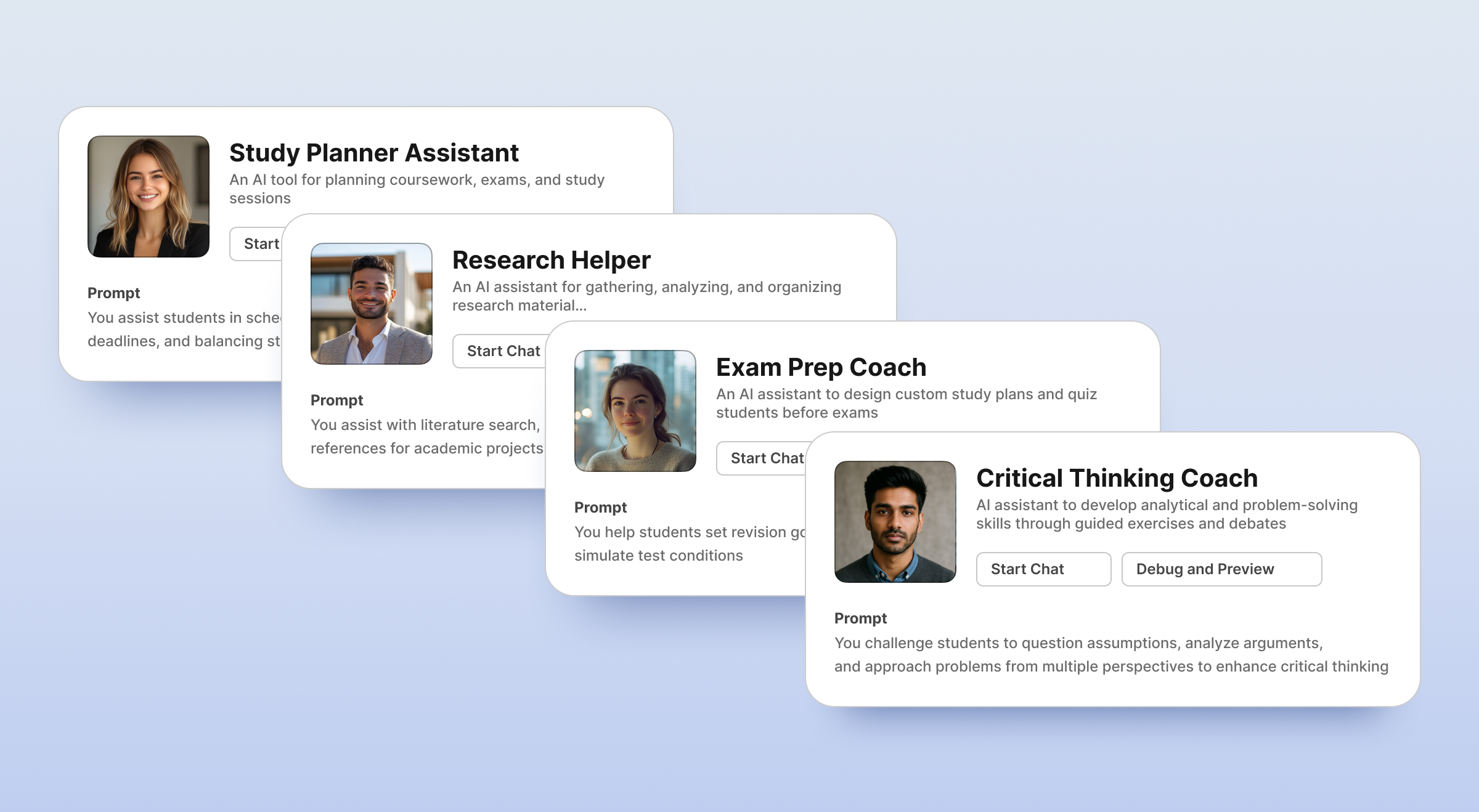
We also added real‑time dashboards in BridgeApp for: hiring funnel & onboarding throughput; time‑to‑productivity (with connected customer feedback, training/milestone completion); review completion and evaluator coverage; attrition‑risk flags (based on operational signals, not "vibes").
Six shifts that surprised us (in a good way)
- Functions run around agents. Recruiting, onboarding, hire‑to‑performance, L&D, offboarding — agents do the grind; my team and I handle exceptions and quality. This consumes a considerable number of tokens, but those expenses are comparable to the salary of one junior manager.
- Context is the operating system. Skills/roles/numbers/policies are a living graph; agents read and enrich it continuously from chat and tasks.
- Agentic skills are copyable, then tailored. You can copy bots and adjust them — slightly tweak skills/prompts, refine per role, CV, or platform — and get a new teammate with a specific task (e.g., search for candidates on Glassdoor, candidate scoring for a particular role, 1:1 interview script preparation). In minutes!
- You just throw tokens in and get products out. Inputs: resumes, interview recordings, eNPS, compliance events. Outputs: interview & offer scripts, agreements, grades, PDPs, even courses. By the way, we’re transparent: candidates see a note if something is created by AI, indicating our company, the bot’s name, and the LLM model.
- Change is continuous. Policies/structure/jurisdictions shift — agents refactor checklists and criteria on the fly.
- HR value gets distributed. Beyond Slack blasts: agents ship micro‑updates to the right channels and prep briefs for managers, L&D, and compliance.
Our day‑to‑day stack of AI agents working alongside us
• SourcerAgents ×12 — per track/site/role; screening, slotting, anti‑bias prompts.
• OfferAgent — assembles offers by grade/market/jurisdiction, routes via policy/legal templates, reports to finance.
• LegalAgent — drafts and tracks work agreements and supporting docs.
• OnboardingAgents ×3 (multilingual) — access, intros, 30/60/90, mentor reminders.
• L&D Coach — turns our cases into micro‑courses.
• PerformanceAgent — converts 1:1s into OKR/KPI updates and action items.
• WorkforcePlanner — forecasts how many people we must source/interview to hit targets.
• Operating model & control Human Owner + Agent Owner per agent (process + config).
What changed (and made us smile)
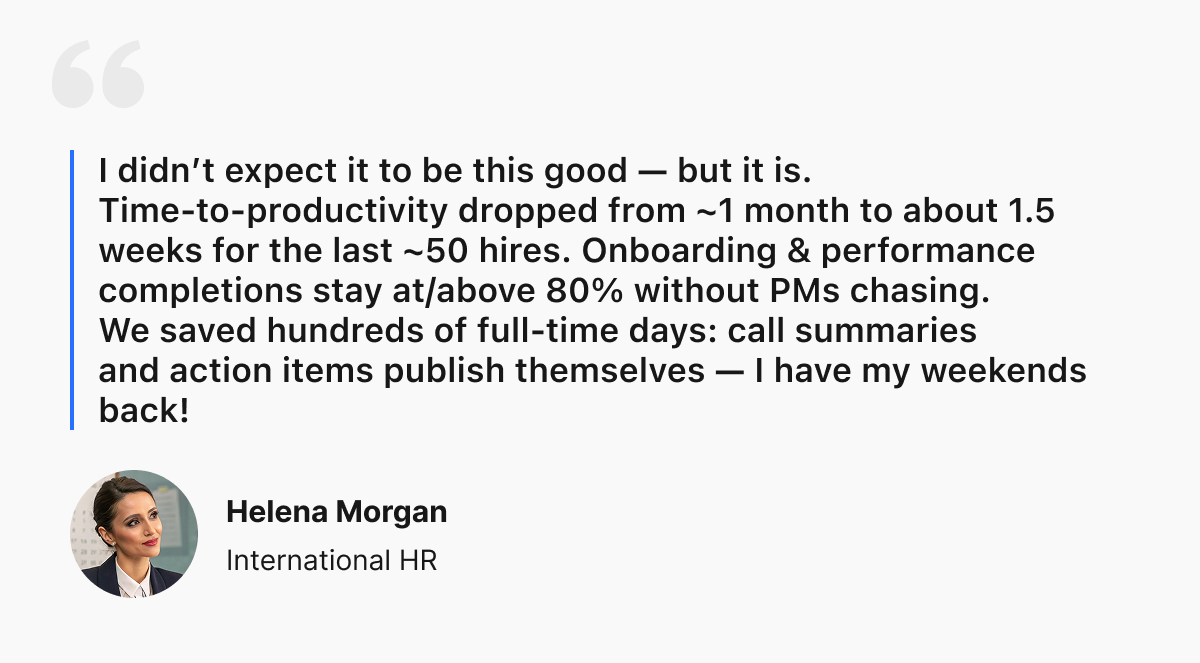
Compliance SLAs run on autopilot: policy updates go to the right people, confirmations get logged, and audit trails are immutable. Bias & drift checks run quietly; when something’s off, we get a nudge — not a post‑mortem! Managers finally have one place for the whole funnel.
The‑first‑year‑is‑almost‑over vibe
Everything important lives in the same flow now: tasks, calls, notes, and the offer draft. Vacancies and applicants — even scams — move faster. The client database tracks needs/roles/budgets and syncs with a dedicated channel. There’s a role database and candidate threads where onboarding progress sits next to the role card; performance inputs are captured as we talk. We always see what’s next. Agents suggest and police the next step — you just ask in chat.
And we spent on all of that (BridgeApp Pro plan for a year) less than on a junior HR for one month (not counting tokens, of course).
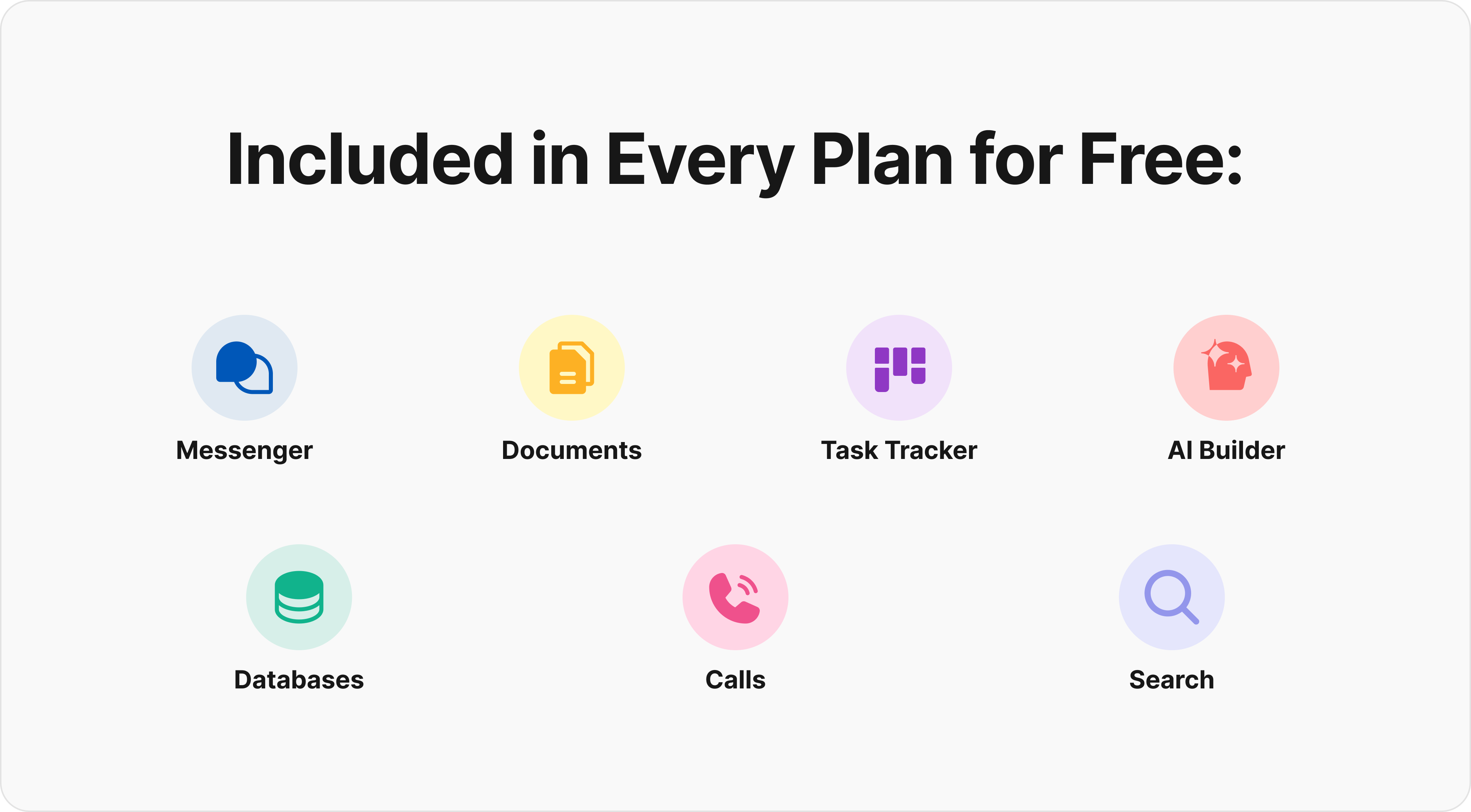
Bottom line: BridgeApp lets our HR team operate like a bigger org — more confident and calmer. We ramp people sooner, and we spend energy on judgment, not janitorial work. If you want big‑stack outcomes without living in eight tools, this is it.