BlogProduct Updates
Agentic Orchestration Workflow Inside BridgeApp

BridgeApp Team
7 min read
We’re heads-down in the trenches of BridgeApp — a collaborative platform designed to transform corporate hustle into a high-fidelity symphony of hybrid teams with both people and autonomous AI agents.
Companies lose time and budget on repetitive operational tasks that can already be automated. BridgeApp is built to identify those tasks, deploy agents around them, and turn routine data work into measurable outcomes. We support three deployment patterns: a dedicated isolated perimeter, on-premise or private cloud deployment, and a hybrid model where orchestration runs on BridgeApp’s side while data remains under the customer’s control.
For the past four years, we’ve been quietly obsessing over the architecture of the modern collaborative workspace. The vision was as straightforward as it was Herculean: a single, unified workspace that brings corporate messaging, task and ticket management, knowledge, and working databases into one operating layer.
But we didn’t just want to build another dashboard. We wanted to bake in a level of automation that feels natural and intuitive.
We’ve all lost thousands of hours — and staggering amounts of capital—on work that should have been a machine’s problem from the jump. It is a fundamental biological mismatch. The human brain is an evolutionary masterpiece of intuition and synthesis, but it is spectacularly ill-equipped for the soul-crushing rigors of spotting anomalies in big data or executing the loops of repetitive routine. We weren't built to be the 'human glue' between fragmented databases.
BridgeApp focuses on three operational problems: hiring more people is slow and expensive; routine processes consume too much human attention; and valuable data often sits unused across disconnected systems. AI agents address all three by starting fast, taking over repeatable workflows, and turning data into action.
When we broke ground, "AI agents" were a niche whisper in research circles. Today, they sit near the gravitational center of IT progress. We saw this trajectory early and engineered an Agentic Workspace from the ground up. Data is not trapped inside static databases, but can be put to immediate use, by agents tackling a wide variety of tasks. Without rest or breaks. It’s an environment where work always thrives —autonomous agents actively process, synthesize, and move data across the entire ecosystem. Human teammates orchestrate work alongside agents forming "Hybrid Teams," a new species of business reality, where AI agents work alongside human teammates. They don’t just execute; they exchange context, offer peer-level insights, and drive decisions within the same workspace: BridgeApp.
We are now shifting from the laboratory to the field. As we scale, the solutions that solve real pain will endure and multiply; the friction will be pruned away. But to get there, we need the builders. We’re opening the doors for those ready to test the limits of what a truly agentic workflow looks like. Below, we’ll lift the hood of our Orchestration Engine to show how these agents are designed, deployed, and seamlessly woven into your existing stack—closing the loop on everything from Tier 1 support to deep operational analytics. Faster, cheaper, and without the overhead of a bloated org chart.
The Data Inertia Problem
Think about the sheer volume of manual hand-offs: scraping an email and a name to book a calendar slot; taking a cadastral number and survey results to return a real estate legal state; or cross-referencing inventory IDs with shipping addresses. These aren't just chores; they are thousands of micro-frictions that, in aggregate, paralyze a company.
The legacy solution is to hire more. But scaling through headcount is a 20th-century fix for a 21st-century architectural problem. It’s too slow, too expensive, and frankly, it's a waste of human intelligence.
From Prompt-Bots to Autonomous Executors
The first thing to go should be the routine. We believe that a "silicon-based employee" should take that idle data and turn it into action. We’re talking about Autonomous Agents. They are currently assigned simple tasks that are very clearly defined in their Skills. There is real potential for “thinking” agents that operate across multiple modalities. However, their autonomy must currently be limited to prevent “token drainage.” These are serious issues related to the progress of the AI models themselves, and we will discuss them later in an article for advanced users; for now, we will leave them aside.
In BridgeApp, an agent isn't a conversational novelty; it’s a prefab executor. It operates with a defined output, measurable KPIs, and—most importantly—baked-in quality control. It doesn’t just "try" to do the task; it executes the workflow, verifies the result, and delivers it in a fraction of the time.
Where the Agents Are Winning: A Vertical Deep-Dive
In Finance and Banking, where accuracy and compliance are critical, the margin for error is zero, but the volume of clerical friction is astronomical. We’re deploying agents to handle the heavy lifting of KYC verification and automated card processing—tasks that typically bury compliance teams under mountains of digital paperwork. Instead of manual, often abrasive debt collection, agents support payment reminder, restructuring, and pre-approved offer workflows under approved rules and human oversight. From onboarding new compliance officers to generating real-time portfolio analytics, we are turning the "back office" into a high-velocity logic engine where compliance becomes faster, more consistent, and easier to audit.
Modern Retail and e-commerce have officially outpaced human management. When a customer demands a return or a hyper-personalized recommendation, they want a resolution in their preferred messenger, immediately. Our agents breathe life into static inventory, automatically synthesizing product descriptions from raw technical specs. They don’t just "sell"; they can navigate the complex waters of B2B sales and category-wide demand forecasting, ensuring that stockouts become easier to predict, prevent, and manage. It’s about making commerce kinetic, transforming the storefront from a static catalog into a proactive shopping partner.
In Telecom and IT, the "firefighter" culture is often a badge of honor that masks a structural failure. We believe engineers shouldn’t spend their brilliance on Tier 1 diagnostics or the tedious setup of corporate accounts; AI should. Agents also sit directly within the CI/CD pipeline, automating code reviews and monitoring SLA breaches before they spiral into outages. They serve as the "engineer’s internal assistant," managing the overhead of incident escalation so the human team can stay in a flow state. We’re moving the industry from reactive patching to proactive resilience.
Logistics and Manufacturing represent the physical layer of the global economy, and they are notoriously opaque. We are clearing the "logistical fog" by deploying agents that live inside the data streams of IoT sensors and GPS trackers. They don’t just "watch" shipments; they proactively manage supplier agreements, handle quality control claims, and coordinate the complex dance of procurement. On the factory floor, our agents streamline the HR-heavy lifting of onboarding and deliver real-time operational KPI reporting that actually reflects the pulse of the line. It’s the transition from "guessing where the cargo is" to a transparent, self-correcting supply chain.
Finally, in Medicine and Pharma, administrative workflows often reduce the time clinicians can dedicate to patient care. Every hour a clinician spends on routing intake forms or clinical reports is an hour not spent on care. BridgeApp agents act as the intelligent "front door," handling patient intake, history-taking, and appointment routing. They provide the connective tissue for pharmaceutical compliance—monitoring medication adherence. They provide technical support for complex medical hardware. By automating protocol-heavy staff onboarding and the synthesis of massive clinical datasets, we are returning the focus to where it belongs: patients, not the paperwork.
The Source: High-Fidelity Inputs
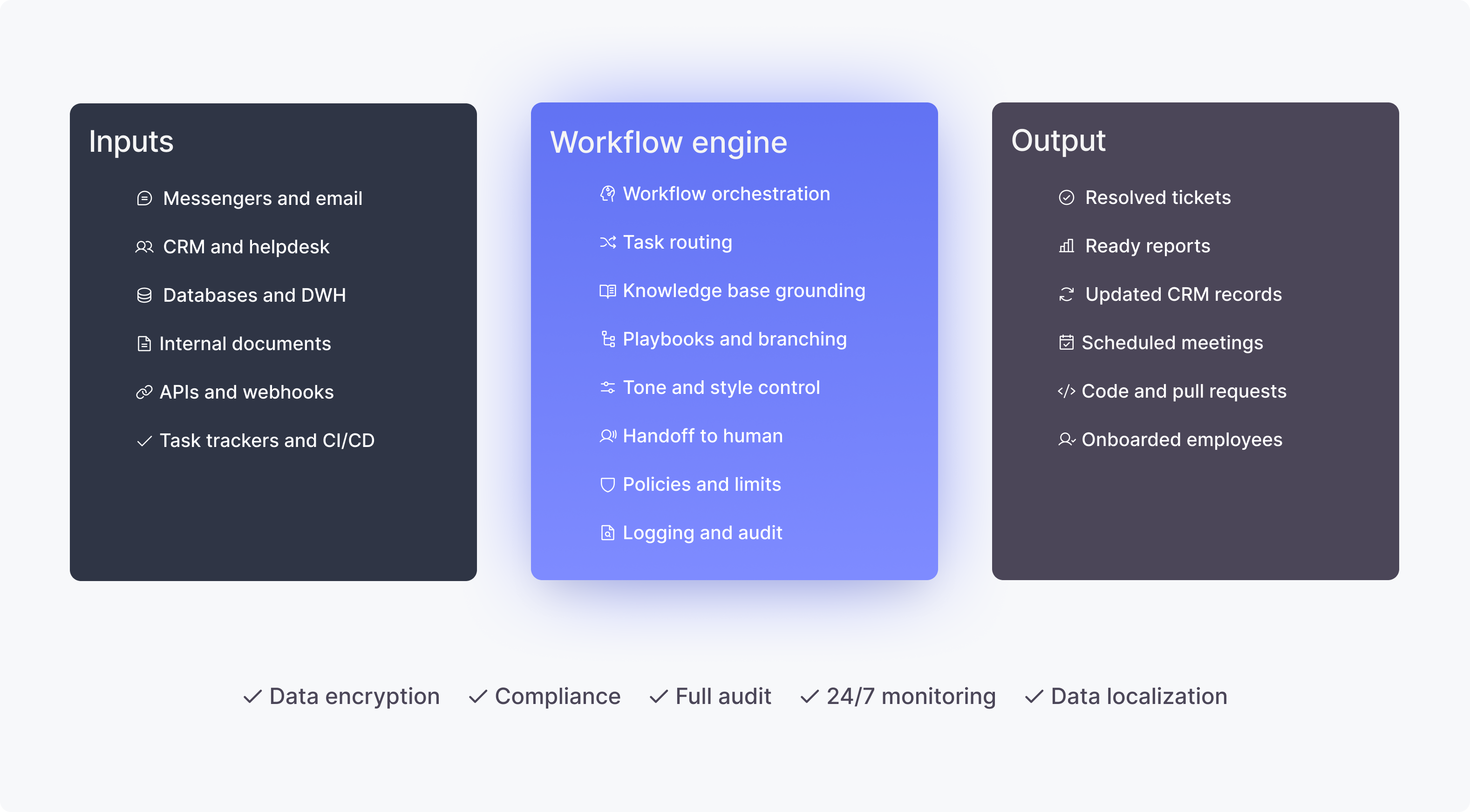
Based on its internal prompt, the agent performs a defined process. A prompt is essentially a manifesto, wishful thinking, or a simple manual, a guide. However, you can't just enter a text prompt and expect it to work. The engine plugs directly into the specified location within your data, the messy, fragmented reality of messengers, mail, CRM, docs, and data warehouses. It can also use APIs and webhooks, or task trackers or CI/CD feed. By giving agents access to the exact fields in your data, you are giving them grounding. It’s the source of the ingredients a specific agent needs to prepare what they’re supposed to.
The Engine: The Logic of the Workflow
Once the data hits the very engine of an agent, the magic happens. That’s actually what can turn into “Workflow orchestration”. This particular musician in the orchestra is an excellent player of his instrument; which knows exactly when to start, what part to play, and when to stop. He (ok, our bad, It, still It) controls tone and style, exact pitch and intonation. It delivers the small but significant outcome we want it to produce.
But the “orchestral metaphor” wouldn't be complete here. The playbook isn't just a linear script. The engine manages branching — it knows when to push a task forward and when to pivot based on a new variable. It enforces Policies and Limits to keep the AI within its guardrails. If the engine senses the situation is becoming too complex or sensitive, it seamlessly passes the baton to a human operator, providing them with a full audit log of everything that happened up to that second.
The Final Mile: Tangible Outcomes
We don’t measure success in "tokens generated." We measure it in Realized Value. The Result column of our engine is a checklist of actual work getting done:
- Tickets closed.
- Database records updated.
- Reports generated.
- Code and pull requests are submitted directly to your repo.
And more. This is the "Closing Loop." It’s the transition from AI as a conversational novelty to AI as a deterministic, reliable member of your production team.
Behind the scenes, the engine is constantly running encryption, compliance checks, and 24/7 monitoring of its state.
The 8-Week Sprint: From Operational Debt to Agentic Velocity
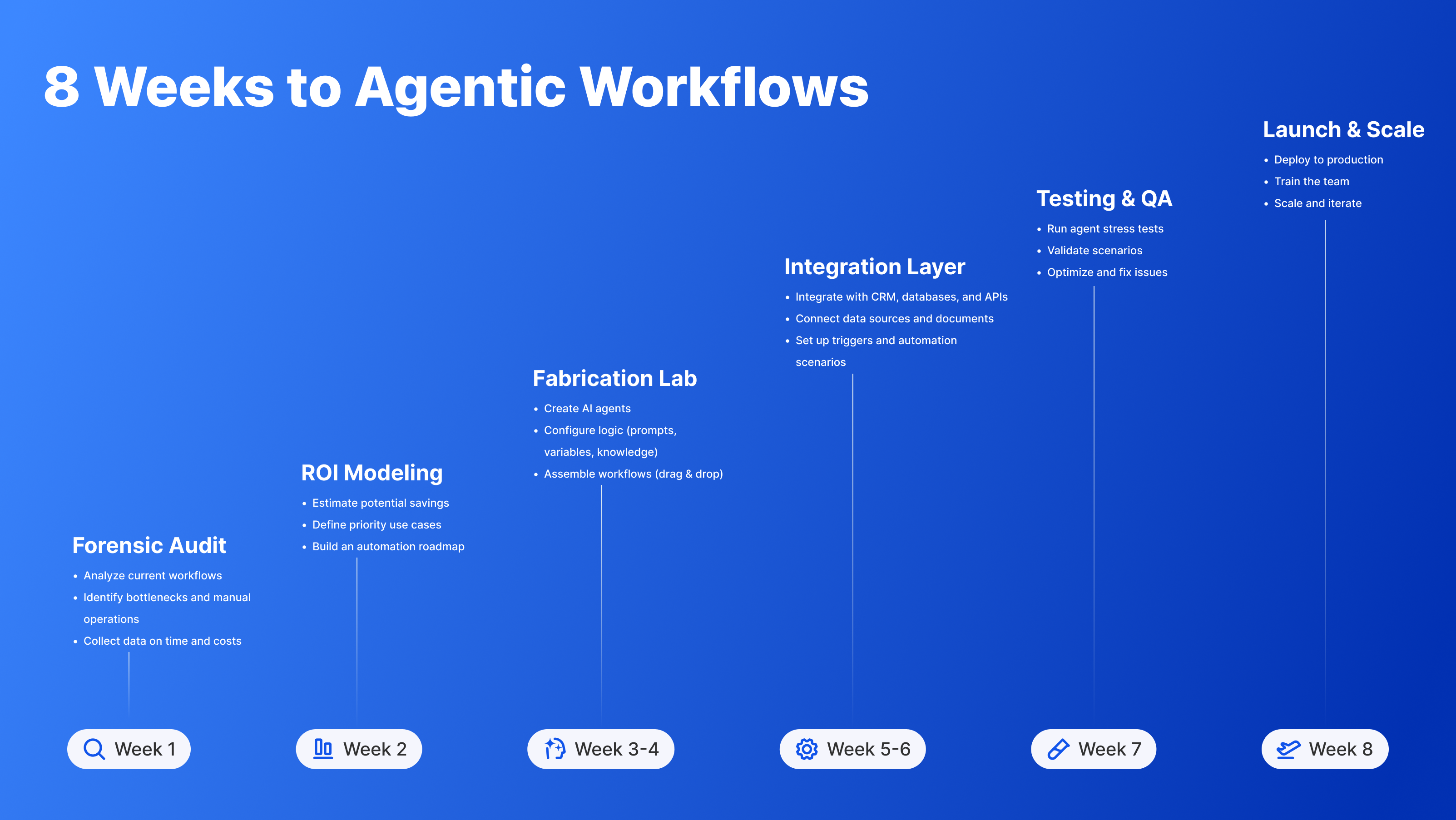
In the world of enterprise software, "implementation" is usually a dirty word—a synonym for six-month delays and budget creep. But agentic AI compresses that timeline into an 8-week tactical sprint. Here is how we take you from a fragmented workspace to a self-correcting agentic ecosystem.
01. The Forensic Audit: Finding the Friction
Start with a microscope. Perform a deep-tissue audit of your current workflows to identify exactly where your employees get tired of repetitive tasks. This isn't just about spotting bottlenecks; it’s about calculating the Hard ROI. Before we even flip the switch, you’ll see the potential savings and the velocity gains in cold, hard numbers. We aren’t interested in automating for the sake of it—we’re interested in moving the needle.
02. The Fabrication Lab: Wiring the Cortex
Once we have the blueprint, we enter the forge. Here is where you draft your dream team of practitioners, where your agents get their "DNA." We configure the orchestration engine, plug in your specific data sources, and ingest your Knowledge Base. But we don’t stop at "Good Enough." We stress-test these agents against your messy real-world cases—the edge cases that usually break standard automation.
03. The Perimeter Launch: Scaling with Precision
Deployment shouldn't feel like a "big bang" event; it should feel like a gradual, calculated expansion with iterative refinement. An agent’s capabilities can be extended through approved skills, tool access, and workflow configuration. New skills can be added quickly through approved configurations and tool access. We deploy the right fit of agents in the BridgeApp stack directly onto your infrastructure—on-premises or private cloud. And because this is production-grade software, we back it with a full SLA and support suite.
Skills, MCP, and the ‘Vermicelli’ of Logic
We’re entering the age of custom-built Digital Talents. When we deploy agents within the BridgeApp ecosystem, you aren’t just activating a software stack feature; you are onboarding a tireless new tier of the team. This is about liberating the human talent—who provide the core spark—from the mechanical drudgery that drains their cognitive reserves.
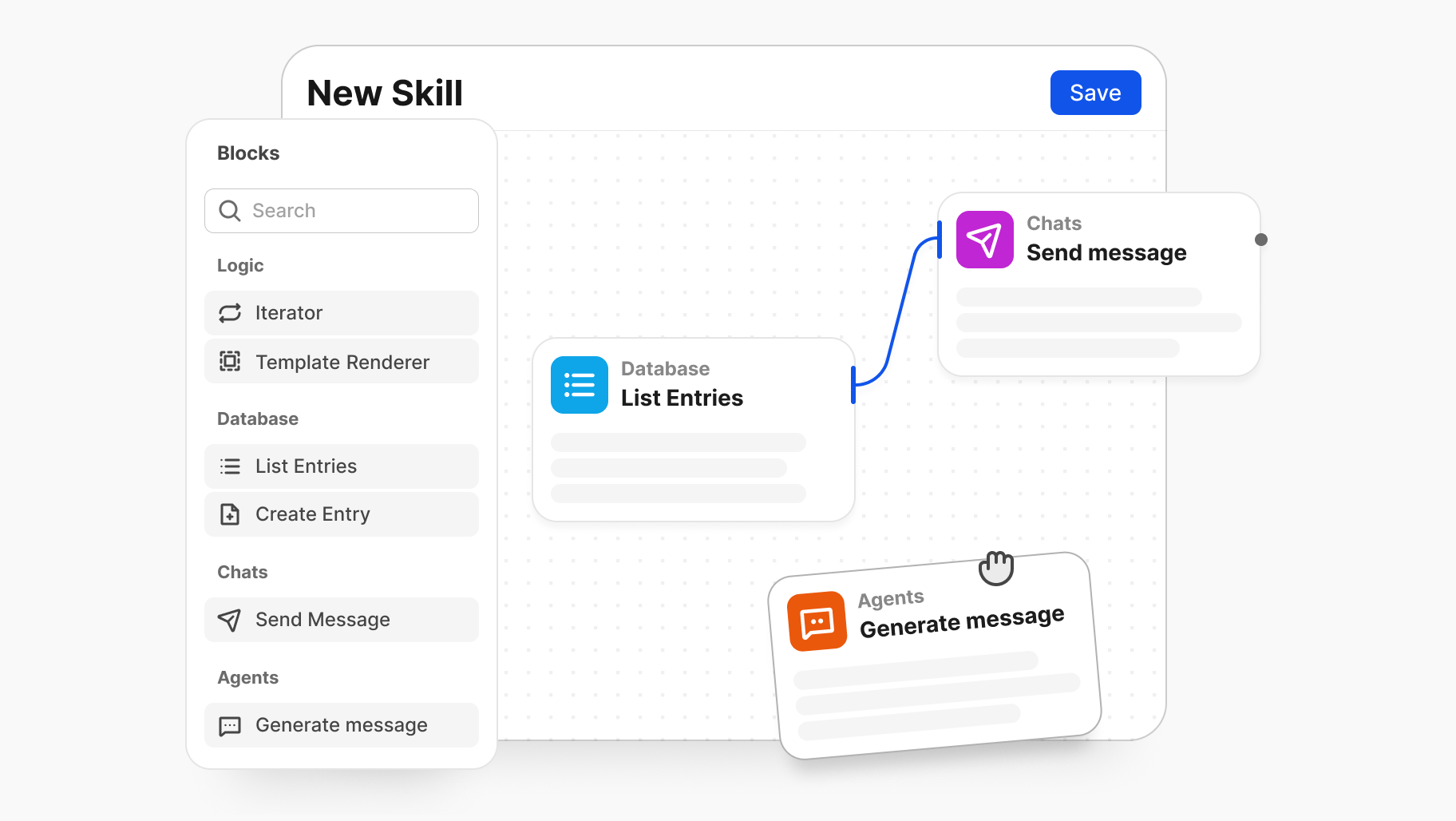
Inside BridgeApp, you get your Skill Library, moving away from a monolithic AI chatbot toward a modular approach. You get a vast catalog of pre-defined capabilities—ready-made "skills" that can be snapped together to define an agent’s role. Whether it’s technical research or marketing strategy, these agents are built to match the specific domain expertise required by emerging tech markets.
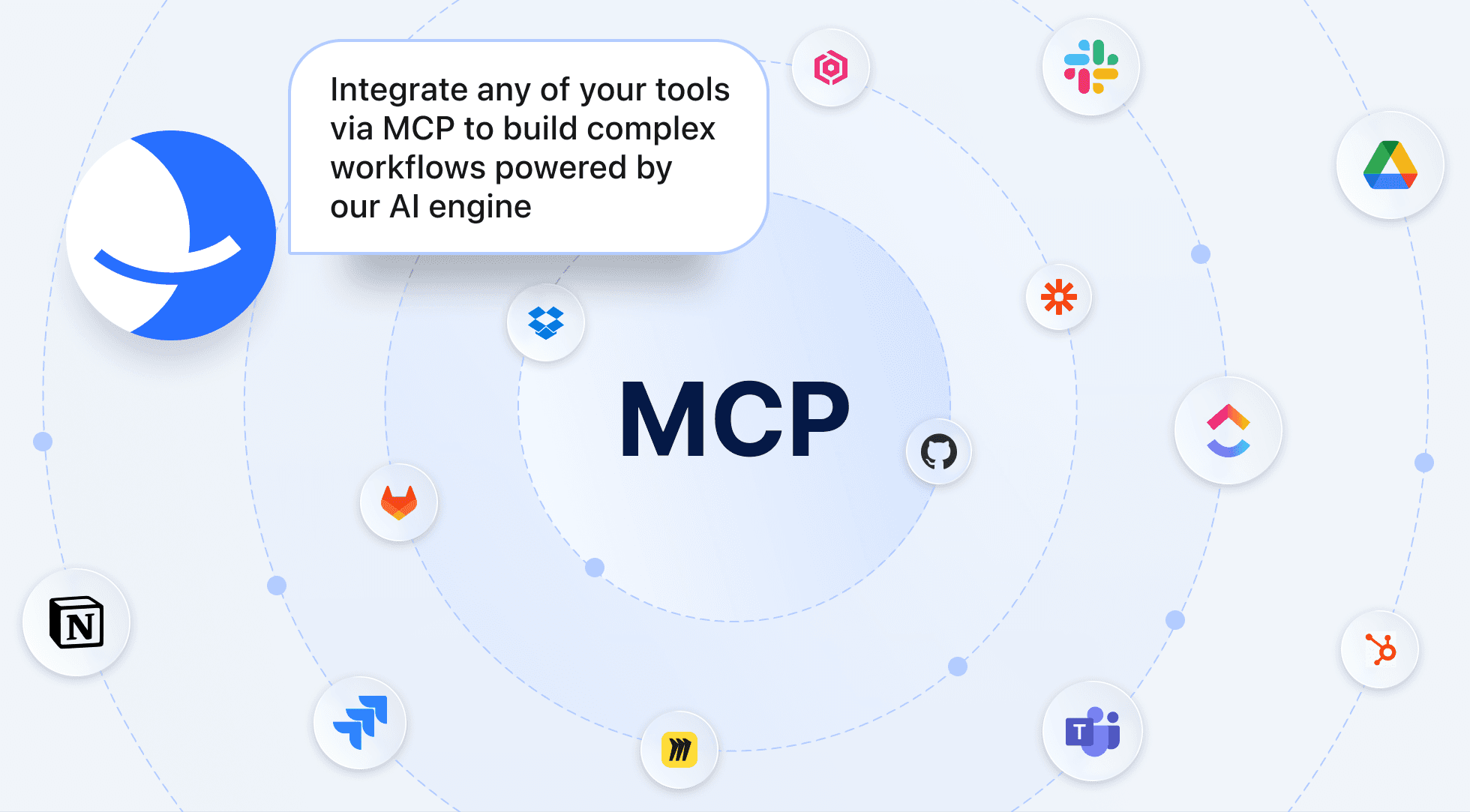
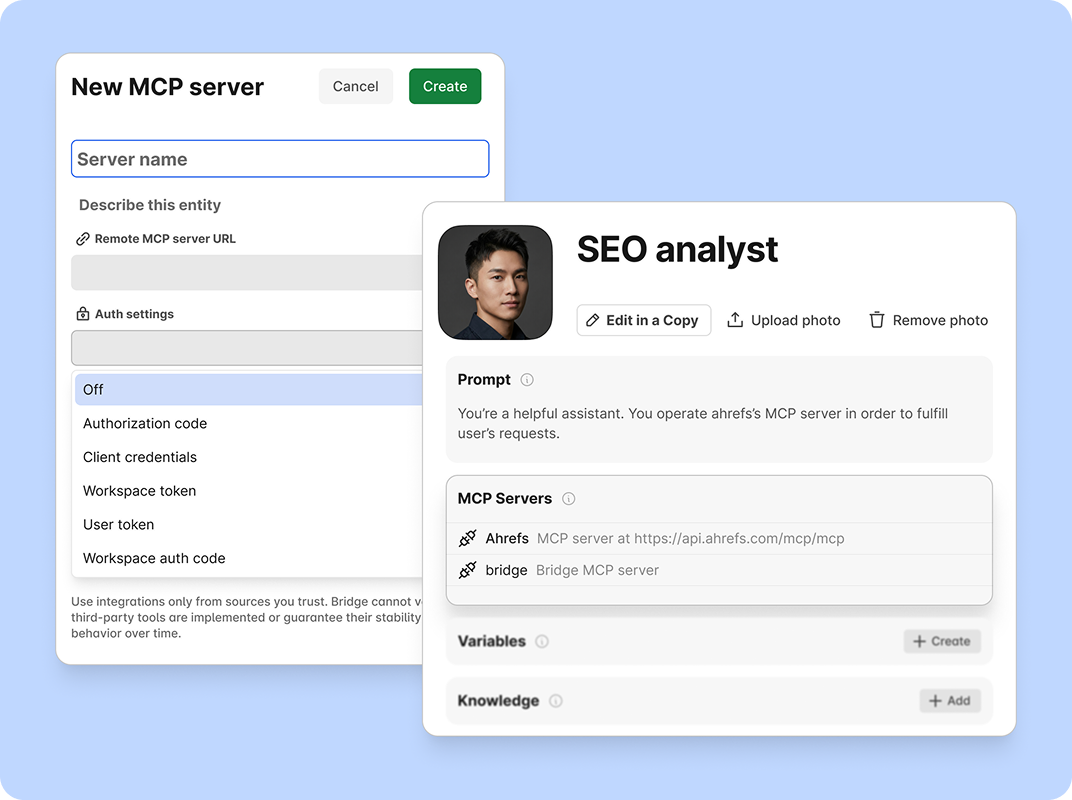
But the real world is messy, and standard skills often hit a ceiling. This is why BridgeApp supports the Model Context Protocol (MCP). Think of it as the universal language that allows different AI agents and tools to talk to each other without a translator. It’s the protocol that turns agents into subjects, capable of plugging into any external data source or API.
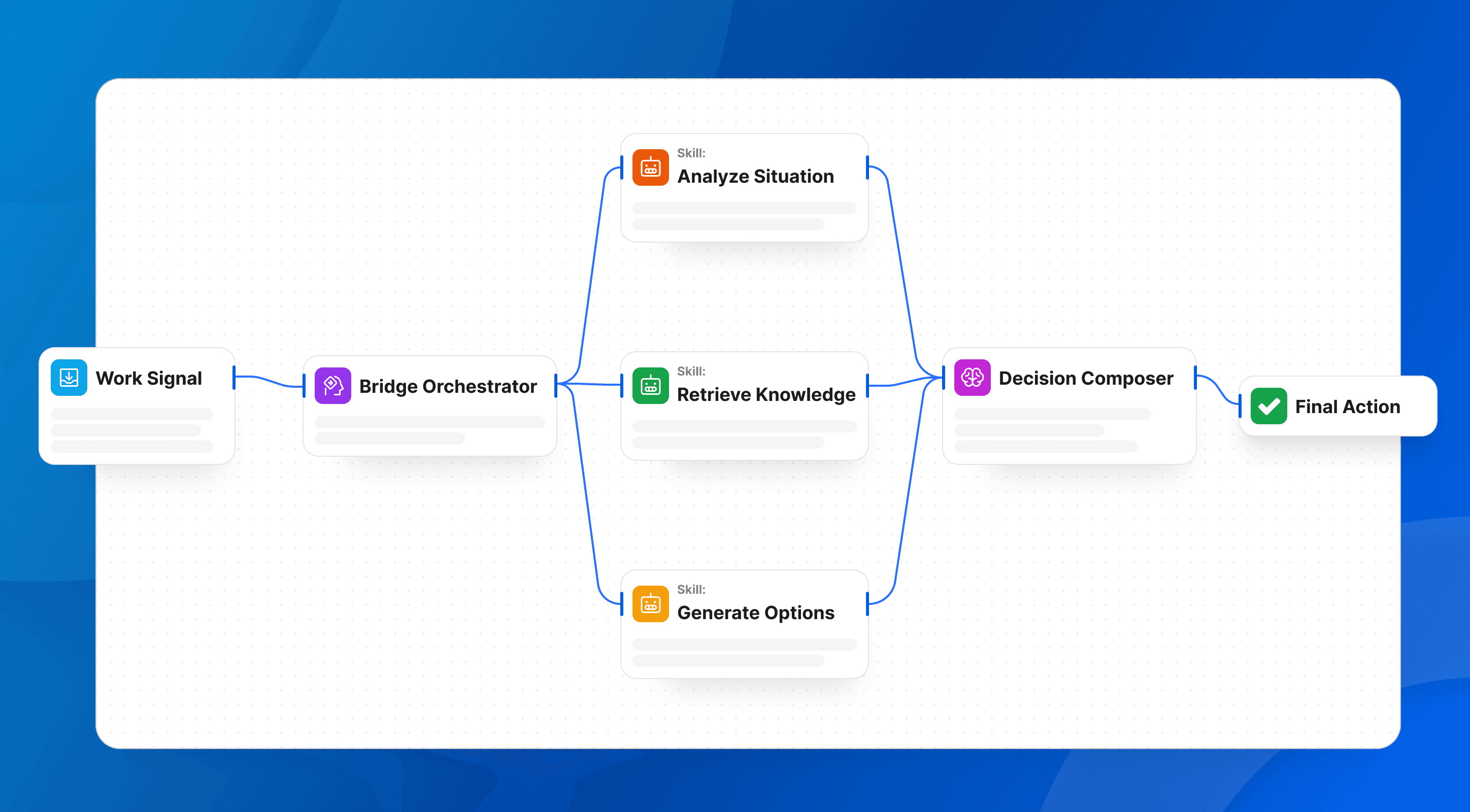
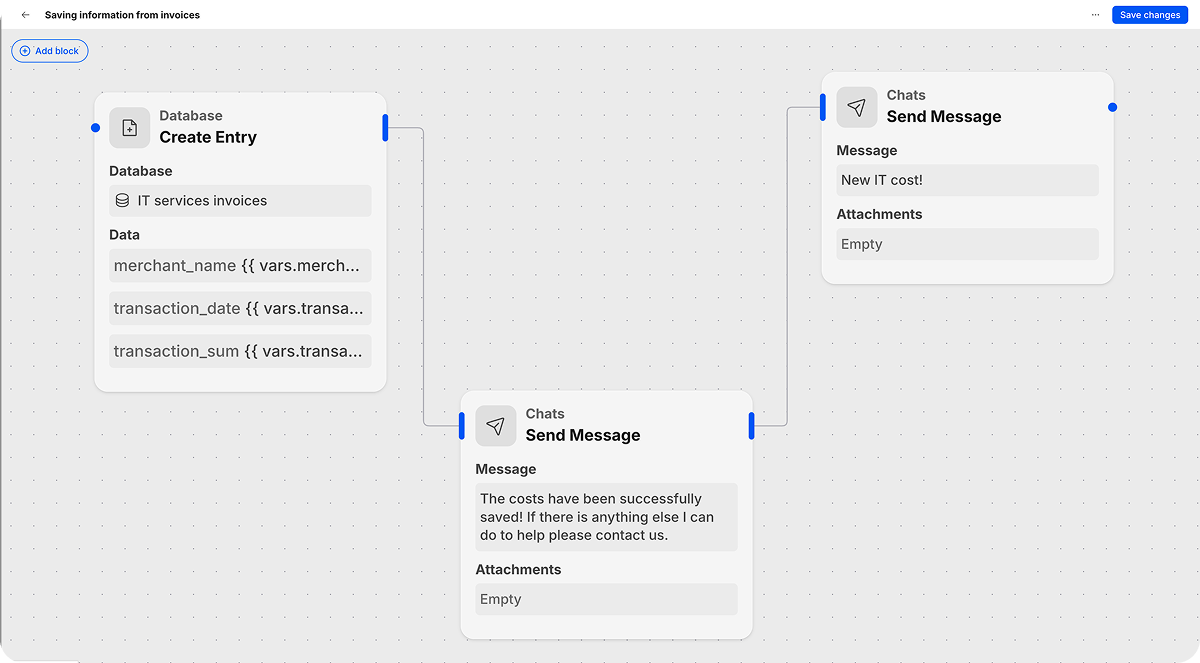
To tie it all together, we use a visual, no-code orchestration layer. If you’ve spent any time in the modern SaaS landscape, you know the look: the "vermicelli" of automation. It’s that intricate web of lines connecting various logic blocks—defining exactly what goes in and what comes out. It’s the clear, readable nervous system of each of your new digital coworkers. You map the intent and logic, the agents follow the lines, ensuring that every outcome is more predictable, traceable, and auditable.
And on top of that all we also provide you with the "AI Engineer atop the Machine”—Magic Coder, a full-cycle development agent that transcends the limits of simple code assistance by operating as an old hand (We have limited capacity for the first few weeks of beta testing).
Built to be plug-and-play for everyone from solo founders to enterprises, it is designed to turn development into a state of constant, automated flow. By leveraging the Model Context Protocol (MCP), Magic Coder can seamlessly bridge to external tools to get updates or apply parallel updates across your stack, shifting the human role to a high-level "green light" for intent.
The Agentic Dividend: Economics You Can Actually Defend
The promise of BridgeApp is a radical consolidation that yields up to 70% savings on your existing tool stack by replacing fragmented subscriptions with a unified agentic core. This isn't a long-term "wait and see" play. We encourage you to deploy agents whose value and return on investment are obvious, and which pay for themselves as early as the first fiscal quarter.
These are the hard metrics of autonomy that prove that the juice is worth the squeeze. Depending on the workflow and baseline tool stack, BridgeApp deployments can target up to 40% lower operational overhead and up to 3× faster throughput.
- Our goal is to complete the entire process—from the initial diagnostic audit to a fully functional production environment with agents providing tangible benefits—within an eight-week deployment cycle. That's right—just two months.
Sovereignty as a default requirement
One more thing: BridgeApp promotes sovereignty as a standard and addresses it with a dedicated deployment perimeter designed to ensure your sensitive data can remain within your controlled environment. No matter which option you choose—a full on-premises deployment on your bare metal, a private cloud instance, or a hybrid configuration where we drive the orchestration logic while you retain total custody of your data—you will be operating in a strictly isolated environment.
The gist in a postscript
We’ve spent a long time ensuring that BridgeApp is a unified platform — a fundamental paradigm shift that enables collaborative "outcome management." Many of you already use agents to fill gaps in your daily workflow. This requires a shared, unified environment in which a hybrid team of AI agents and human employees can effectively set and execute tasks to the benefit of all involved. We’d bet the farm this concept will clearly gain traction in the coming years and prove its worth when the return on investment shifts from "interesting" to "indispensable."
[Explore BridgeApp's Pricing] | [Request a Demo] | [Start with a Free Plan]