BlogIndustry Insights
“Best All-in-One AI Workspace”— all slop together, or are there any hopes?

Konstantin BuzzResearch Lead
12 min read
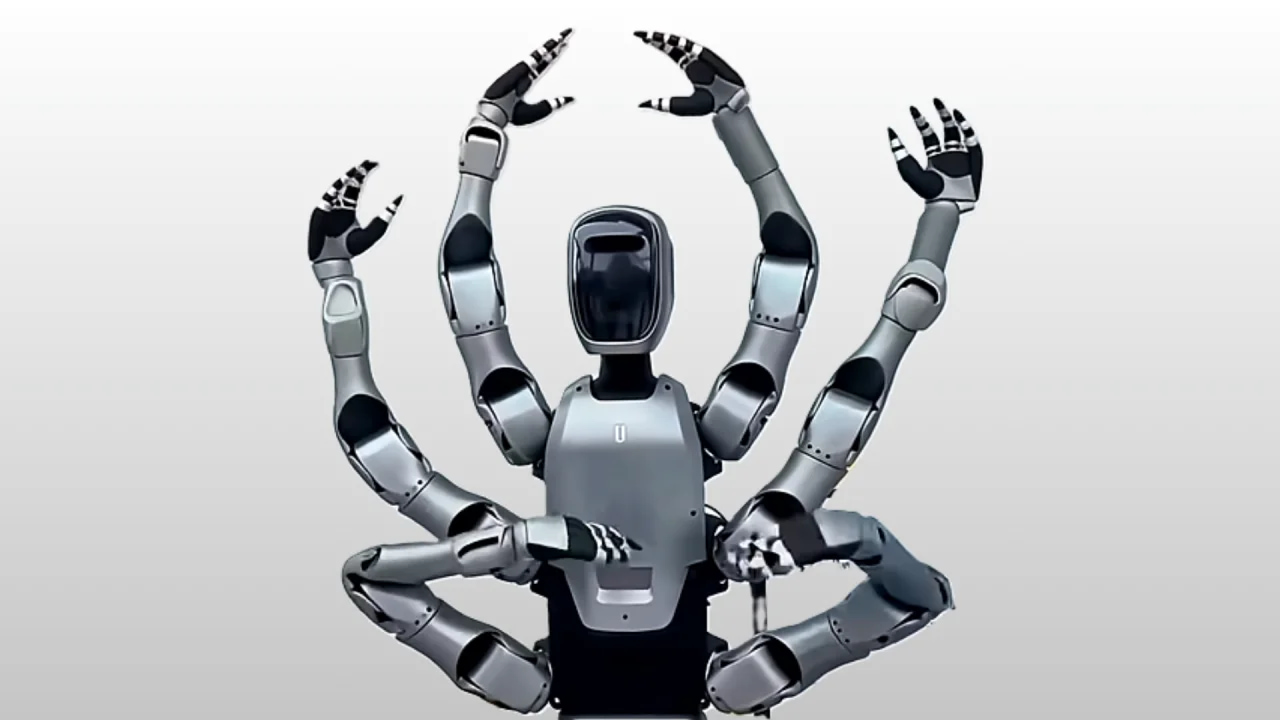
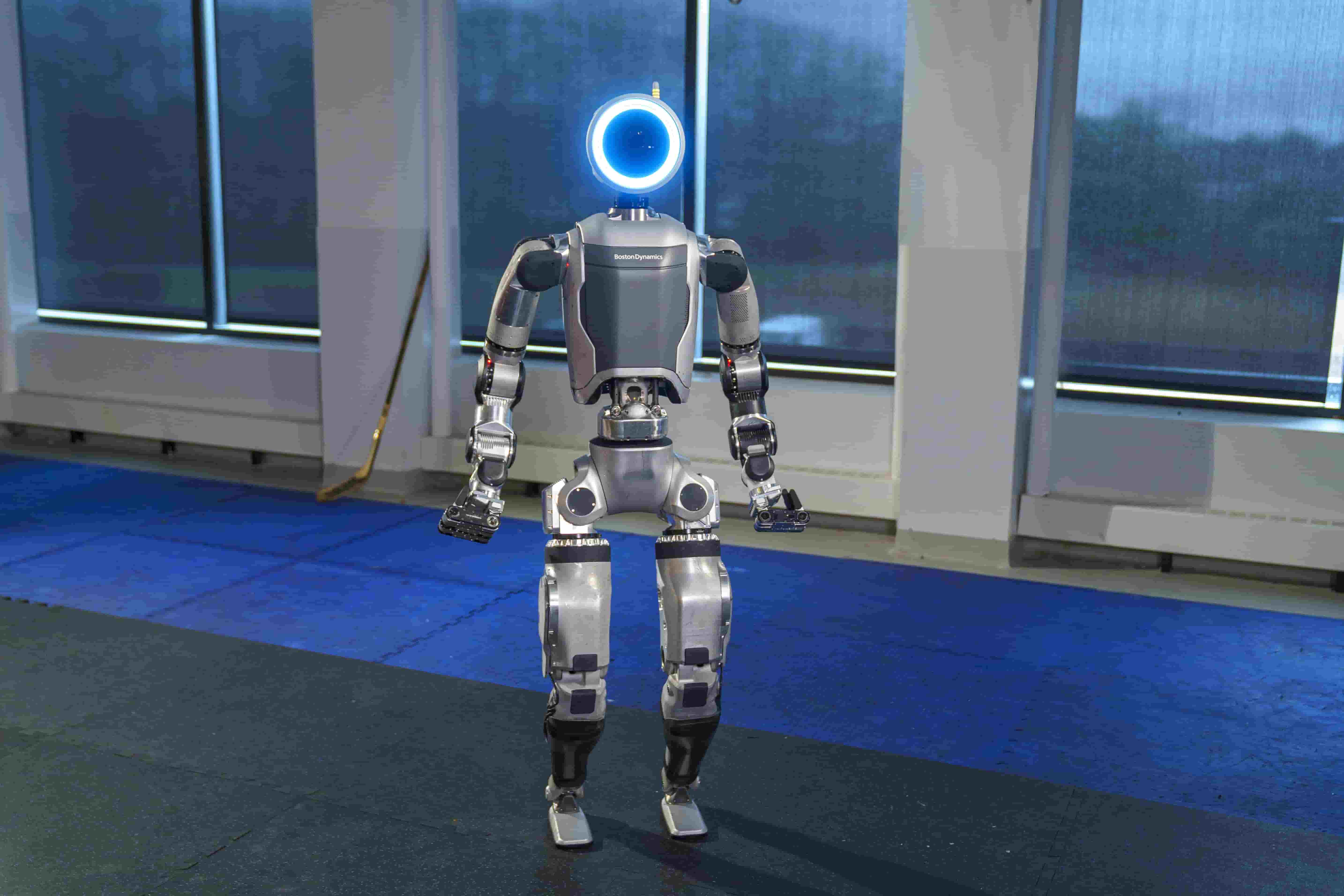
The velocity of these changes leaves our ears popping. 2025 brought us some new anthropomorphic robots, notably six-armed Shiva-like Miro U and Boston Dynamics’ latest Atlas with its uncanny fluid athleticism. Both, self-evidently, with AI.
AI is infiltrating every crevice of our reality, even the quiet dark corners. (The smoking gun is the 'AI-enhanced' toothbrush at CES 2025.)
You might think you're safe from the tech wave because you are, let's say, a carpenter. But the lumber logistics supplying your workshop are already being optimized by neural networks. In a year, AI won't just be calculating your supply chain—it'll be your procurement officer, your head of sales. And your outsourcing R&D lab, formulating fire-retardant treatments and pioneering new chemical structures for varnishes. It will fine-tune your CNC machines. It might just take over the sawing, too, considering the trajectory of robotics.
Even if your specific workbench remains untouched, the ecosystem around you is undergoing a fundamental mutation. Some roles will be ceded entirely to synthetic intelligence; others will remain human-centric. But the connective tissue—the way we collaborate—will be influenced by AI, more than we can imagine, both in the tactical sprints and the long-term.
In this deep dive, I want to deconstruct the blueprint for the ideal collaborative environment: a shared space where humans and (ro)bots don’t just coexist but amplify one another. When I talk about "bots," I’m referring to the "disembodied" AI agents—the software spirits executing narrow or broad mandates. As for "robots"... well, you’ve seen the footage.
Let’s break down the trends and map out this new architecture together.
Navigating the Plastic Ocean: Why Intent is the Ultimate AI Tool
And, of course, this ocean carries a massive amount of plastic waste. By early 2026, over a third of YouTube content is AI-slop. Every other startup pitch is basically: “look, we bolted on some AI." But make no mistake: the era of slop-code is over. If your output is still garbage, it’s no longer a limitation of the neural network—it’s a reflection of user laziness or lack of vision. Today, anyone can build any software; all that’s required is desire and focus. LLMs have lowered the floor, but they haven't lifted the burden of 'Why?' Human agency, architectural logic, and relentless focus are still the prerequisites for crossing the finish line. In a world of infinite automated output, intentionality is the ultimate bottleneck.
The divide is becoming a chasm. Over the next few years, the best will extract a 100x advantage from AI-native processes. The laggards? They’ll gain nothing, drifting slowly into irrelevance.
What happened to coding in 2025 is coming for every pillar of knowledge work in 2026: sales, legal, finance, content, logistics, management, and R&D. What have you. Every individual is now a potential сorporation. But you aren’t just hiring a human team anymore; you’re designing a hybrid collective where every human is augmented by dozens of agents.Your job description has shifted to mission, strategy, and organizational architecture. This is a fundamental rewrite of organizational design. It’s more significant, more painful, and more expensive than “legacy digital transformation” that we’ve seen before.
The ability to architect your own agentic system is becoming a Tier-1 power move. But the apex trait remains agency itself—especially now, as the world offers more opportunity than ever, even as the window to monetize that value closes faster.
The Middle Collapse: Why AI Models are Cratering the Moat
Software is becoming a commodity; the "uniqueness moat" is evaporating, and margins are cratering. If a client doesn't want to pay $50 a month, they’ll simply build a clone and run it at cost.
But, paradoxically, still: every organization is, at its core, an information flow. Every robot is just software in a suit. Success is now a sequence of processes executed by your automated magic brooms. They can hunt for talent, vet resumes, conduct interviews, draft manuals, order hardware, clear customs, source materials, manage logistics, spin up the assembly line, and negotiate with retailers. They build the funnel, close the loop, and even file the taxes.
LLMs will murder the middle.
The silicon wave is hollowing out the center of the bell curve, leaving only two paths to survival.
The first is Extreme Depth. This is the path of the virtuoso. It’s about "unreasonably" high attention to detail and hand-crafted production that defies logic. While AI generates millions of pieces of content in a digital blink, you create one single thing—but you do it with such soul and precision that it forces the world to stop and look. This is authorship over automation.
The second is Extreme Breadth. This is the factory model. You aren't building a product; you’re building a machine that launches ten thousand machines a month. The AI produces, markets and distributes. At the end of the cycle, you ruthlessly kill the 9,900 underperformers and double down on the winners. Then, you repeat. This is selection over creation.
Both strategies are lucrative if executed with discipline. What will fail—catastrophically—is the "good enough." The “Upwork crowd” is being replaced by AI. In this new landscape, only top-tier freelancers with extreme domain depth and their own neural workflows will remain in demand.
Ghost in the Shell: The DNA of an All-in-One App
Ok, what kind of environment is actually required to run these businesses and manage these teams? A workspace is neither just a fancy UI to shuffle tickets, nor is it a place where you simply "chat with AI about your business’s future." It is the organizational nervous system—the infrastructure that replaces the traditional corporate stack. It is an AI-native environment where space and agency are more important than pre-programmed functions.
Let's pause for a moment to list. The true AI Workspace is a unified environment where:
- Intentions are debated and codified.
- Decisions are executed, not just discussed.
- Task performance is tracked in real-time.
- Organizational memory is synthesized and stored.
- The space where agents are birthed, deployed, and controlled, and where they return with results.
In this model, everything is linked in a single, unbroken chain of causality.
Everything else is just UI—and that UI needs to be as "clean as a newborn," invisible and frictionless, serving the flow.
The Blueprint: AI Workspace and Agentic Operating Environment
‘Shells’ are dying. “Substrates” are taking over. We have moved past the era of opening a tab to "ask" an AI something. Now, the AI is a resident within your OS, your browser, and your social graph. It shouldn’t just be a better Slack, or even a stack of Slack and Jira together. We are to architect an Organizational Substrate. This is the soil where hybrid teams take root, Native to both humans and AI.
This environment should be "model-agnostic"—it offers LLM and embedded AI with a "pick your brain" flexibility.
It should handle vector search. Of course function as a chatbot, but rather as a group chat member. Act as a Copilot.
It should allow for audio and video calls within the workspace, which the AI assistants are also able join, understand and remember. There should be the option to track tasks and tickets in various forms, including Kanban, with executors, deadlines, statuses, and priorities. This way, ‘agreed in chat’ immediately becomes a task and is not forgotten.
Crucial is Agent Orchestration as well. Think of it as the connective tissue of Manus, n8n, or Make.com, or the modular pipeline precision of ComfyUI. For every business process, not just a particular one.
Task setting and quality control should occur in the shared chat, visible to anyone, who’s in charge. The agent’s Runtime should happen in the open.
And knowledge. The environment must possess its own "active" memory—a thinking layer that holds the context, retrieves it at the point of need, and remembers the evolution of every decision. Docs and live databases should be at the fingertips. This isn't just a log; it’s the Context Engine. It serves as the infrastructure for organizational knowledge and long-term, causal memory. Without this, agents are nothing more than Interns with the memory of a goldfish.
Slack was a revelation for human-to-human coordination, but Slack never joins the discussion or reminds the team that a decision made today contradicts a strategy set three months ago. The new substrate should have that AI capabilities. This software isn't just a tool anymore; it's actively competing with organization design. It's shifting into the world of management and governance.
Squatting on the Substrate: The Battle for Dominant AI Agents
To execute these extreme strategies, we need more than just software; we need a new kind of environmental infrastructure. Who is actually building this new world? What are their main AI features and capabilities that make a difference?
This is the "state of the union" for the Agentic Operating Environment. We are witnessing a collision between two worlds: the giants building universal agent engines and the incumbents trying to offer solutions for morphing business logic and history into a comprehensive, relevant, and actionable context.
The shift from Tools to Substrates lines up with the Software 3.0 model, which Andrej Karpathy first outlined in mid-2025. He noticed that the industry had abruptly stopped obsessing over “AI features" and started building "environments”. In this paradigm, natural language is the source code, and the LLMs are compilers, supervisors, and executors.
Here is the 2026 breakdown of who is successfully claiming to work on hybrid teams AI workspace.
1. Anthropic: The "Cowork" Shift
The hot off the press from yesterday’s release of Claude Cowork (the evolution of Claude Code for non-developers) is a watershed moment for the agentic operating environment. Unlike a simple web-chat, Cowork acts as a local agentic layer. By gaining access to the file system (Mac/Windows/Linux), it ceases to be a "tool" and becomes a "resident."
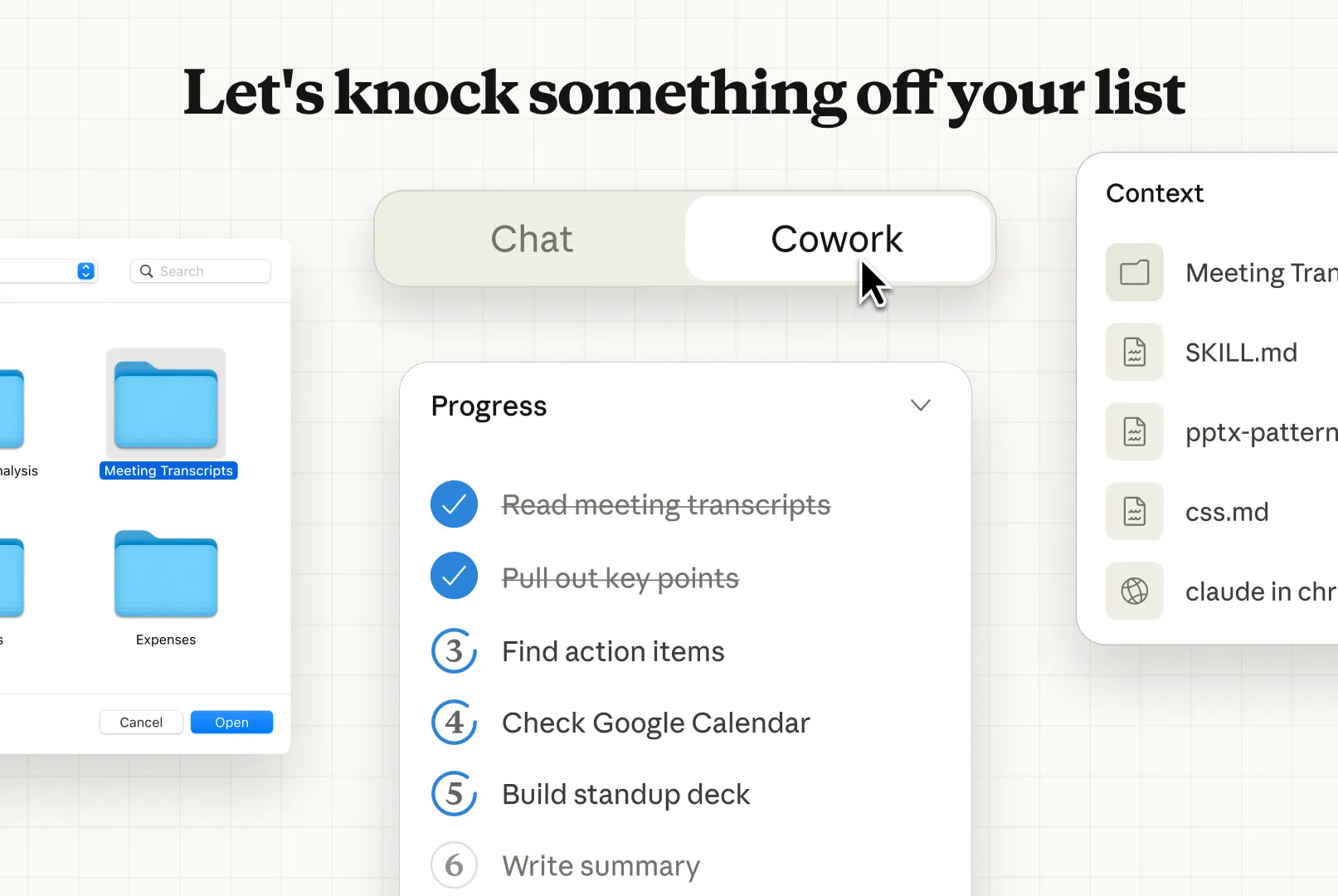
It provides the ”сlosed loop" execution. It doesn’t just suggest text; it plans, creates, and refactors folders and files autonomously. This is an environmental agency in its purest form—an agent that lives where the work actually happens. Solutions like this move the AI from a "Consultant" to a "Co-worker" with a persistent presence on your desktop.
2. Google: The Gemini-Workspace Synthesis
Over the past year, Google has executed a silent pivot toward a "Unified Context" model. The 2025 rollout of Gemini Agent capabilities has transformed the Workspace suite from a collection of apps into a thinking substrate. Gemini no longer just summarizes documents or unread emails; it indexes your entire Google Drive and Calendar as a Single Source of Truth (SSOT).
The architecture is now split by intent. The Gemini 3 Flash models handle the high-velocity "glue work"—sorting incoming data and triggering low-latency actions—while the Gemini 3 Ultra tier manages high-level governance and long-term memory retrieval. Workspace now functions as a "Context Engine." It can recall the strategic intent of a Slide deck from six months ago and apply that specific logic to a fresh budget proposal in Google Sheets.
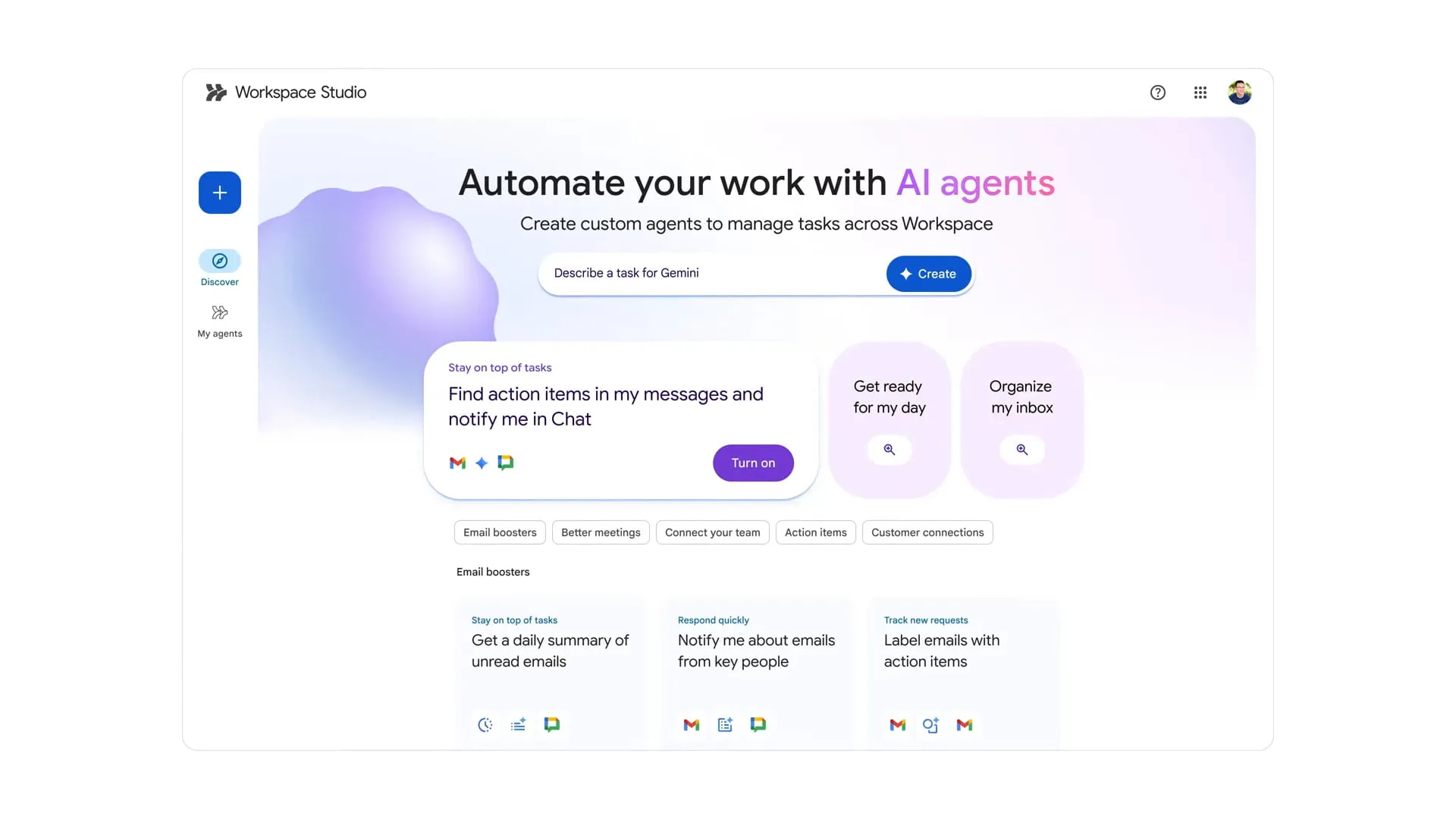
By opening the gates between Gemini and Workspace, Google has given its agents the keys to your spreadsheets, meetings, and archives. With the late-2025 release of Workspace Studio, users can now build custom agents that actually perform multi-step workflows across apps without a human in the loop. But for the project management, the ceiling is still here: while Google can create a task, it still lacks the high-fidelity "Governance Dashboard." For full lifecycle task tracking, you are still tethered to connectors for Linear, Jira, or Notion.
3. Microsoft: From AI Chatbots to Collaborative Orchestrators
Microsoft has successfully executed a pivot from Copilot-as-Assistant to Team Copilot-as-Orchestrator. And this isn't just a branding change; it is a fundamental shift in how work is managed within the tenant.
Copilot Pages evolved into persistent, multiplayer canvases stored as a .loop file in SharePoint. It allows humans and AI to co-author and refine intent in a side-by-side workspace. It solves the "ephemeral chat" problem by turning AI responses into durable, shared business assets.
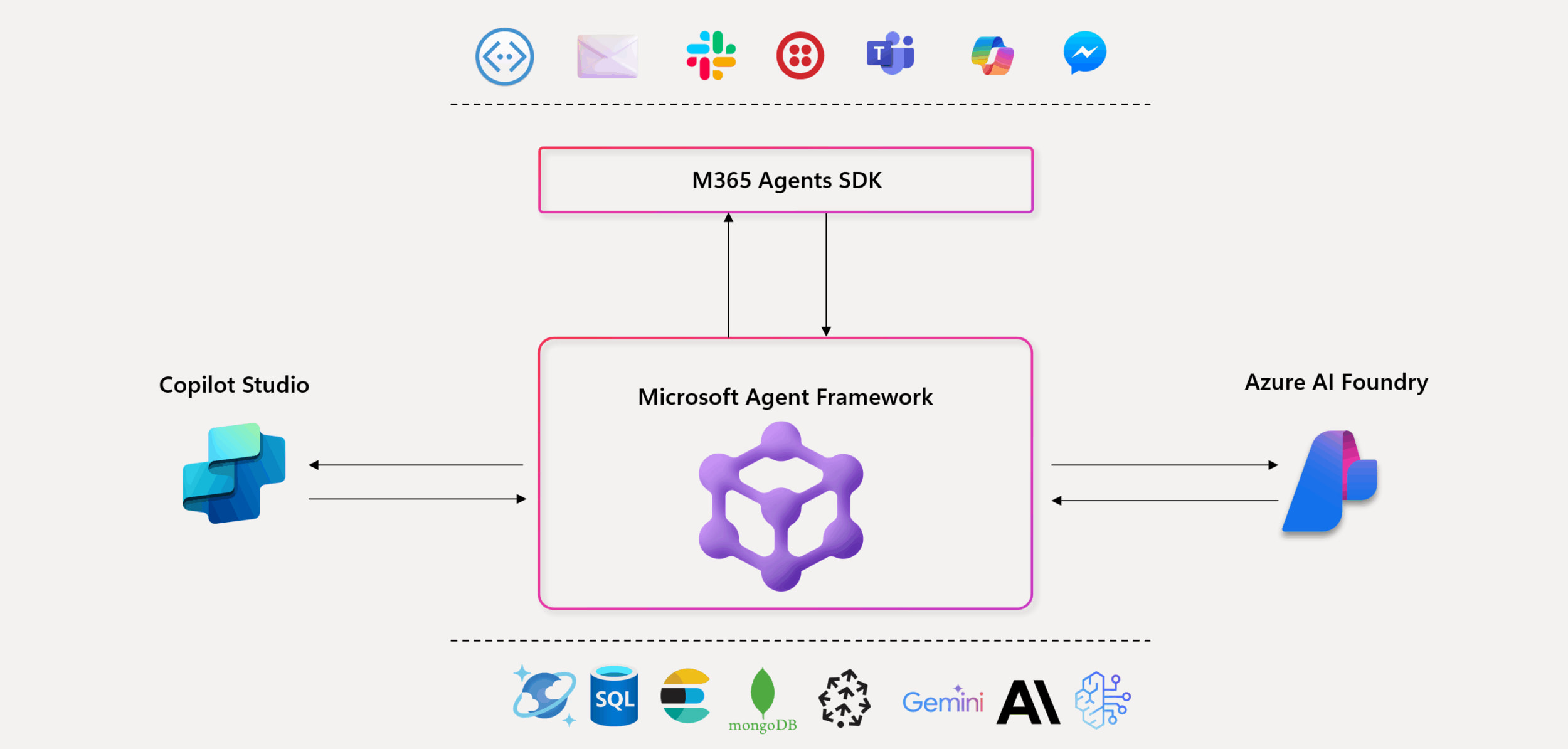
The shift toward Agentic SharePoint in late 2025 saw the repository transition from a passive "file cabinet" into an active layer. Through Fabric data agents, business users can now tap into organizational knowledge stored in Fabric OneLake to get actionable insights. Microsoft Agent Framework serves as the engine room, allowing multi-agent orchestration, where a "Manager Agent" coordinates specialized "Worker Agents"—from Sales Development to Teams Administration. These agents possess Work IQ, an intelligence layer that understands your company’s specific "work chart," not just its formal org chart.
While Microsoft’s environment is the most "enterprise-ready" in terms of governance, it still operates as a Substrate-in-Progress. It bridges the gap between the "Tool" (where you do a task) and the "Environment" (where the organization lives) by baking task management directly into the communication flow. When a task is "agreed in chat" in Teams, it can now be natively promoted to Microsoft Planner via a background agent, closing the loop between discussion and execution.
4. Meta + Manus: The Rise of Autonomous AI-Powered Communication
Meta’s late-2025 acquisition of Manus.im stands as the most significant M&A event of the past year. The rationale is a textbook "Software 3.0" power move: Meta owns the Social Graph (WhatsApp, Instagram, Threads), while Manus owns the general-purpose agent logic—an AI capable of human-level computer interaction.
By baking Manus into its ecosystem, Meta is effectively turning messaging into a service layer for getting things done. In this reality, a WhatsApp group isn't just a thread of messages; it’s an active workspace. Imagine an agent acting as a "Technical Producer" within your chat—one that can book flights, edit Reels, and manage a storefront autonomously, all directed by the collective "vibe" and intent of the conversation.
The Coordination Gap: Why Your Current Productivity Tool is Failing
We are seeing a surge of agentic environments built on infrastructure readable by both humans and neural networks, where natural language serves as the source code for processes. But although the platforms we’ve discussed qualify as AI Workspaces, they share a fatal flaw: they lack integrated project management understandable by all parties. They remain "Artisan's Apprentices"—extraordinarily capable at individual tasks, yet incapable of serving as the executive boardroom of a corporation.
The incumbents of the project management world—the Jiras and Asanas—are striving to reclaim this territory. It is, after all, their home turf. There isn’t a legacy provider left that hasn't slapped an "AI" label on their market offer. But they, in turn, are falling short of the scale required for an agentic operating environment.
They also lack the clean-as-a-newborn structure that a hybrid team demands. Even if you populate your workflow with agentic dynamos, these tools don't constitute a true infrastructure—just a fragmented experience. They still force us to maintain a “toll zoo," relying on a mess of hooks and integrations. They fail to provide a single, comprehensive zone that unites your hybrid team: a space where discussion forums can be taken in at a glance by both human eyes and AI, paired with a native task board driven by intuitive Kanban logic.
Instead, legacy tools expect you to have an existing board and simply "hook it up" via API. But why settle for a patchwork stack when you are searching for clarity and comprehensibility? How will you offer a glimpse of what you’re doing in third-party services to your AI teammate? In the Software 3.0 era, the discussion and the task should happen in the very same place—the same context layer where knowledge lives. Anything else is just far too "skeuomorphic."
So, we’ve hit on the critical "missing link": most of the giants are building power tools, but they haven’t yet built the workbench. This is where we decided to begin the transition from the theoretical ideal to the actual product. And we’re building it—our dream workspace. The missing link isn't “more intelligence”. While big tech offers the engines, our AI workspace provides the chassis and the cockpit (or, more aptly, the captain’s Bridge).
BridgeApp: Integrating AI Employees of your Hybrid Team into a Single Workplace
BridgeApp is a unified environment designed to stop the "tool-hopping" necessity. It consolidates chats, tasks, documents, and databases into a single window , augmented by AI agents that act as "digital employees" to handle the friction of daily operations.
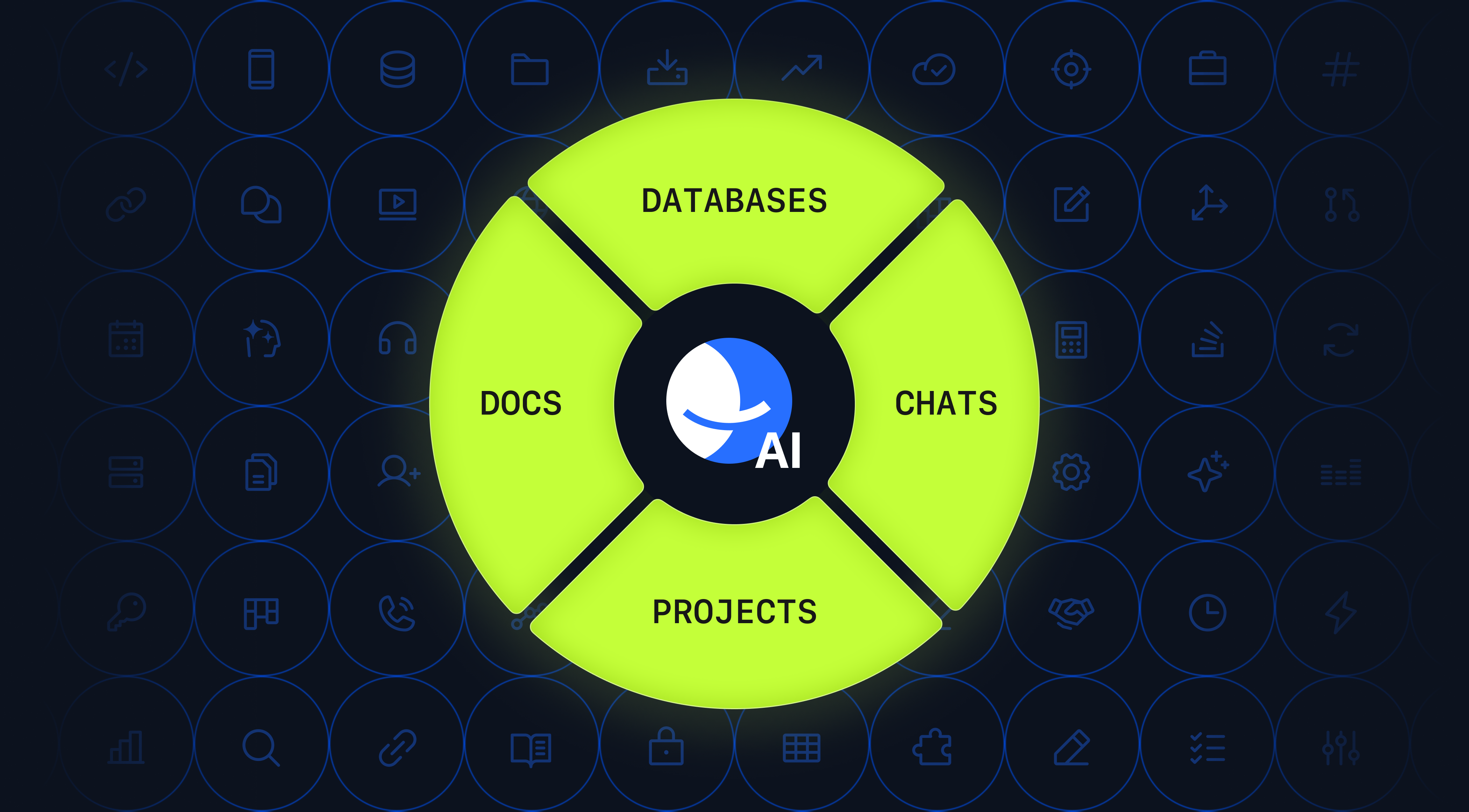
Teams already use BridgeApp as their Single Source of Truth (SSOT).
It’s built on six functional pillars that transform it from a simple chat app into an organizational substrate:
Pillar 1: AI Chat — A Hub for Real-Time Team Collaboration
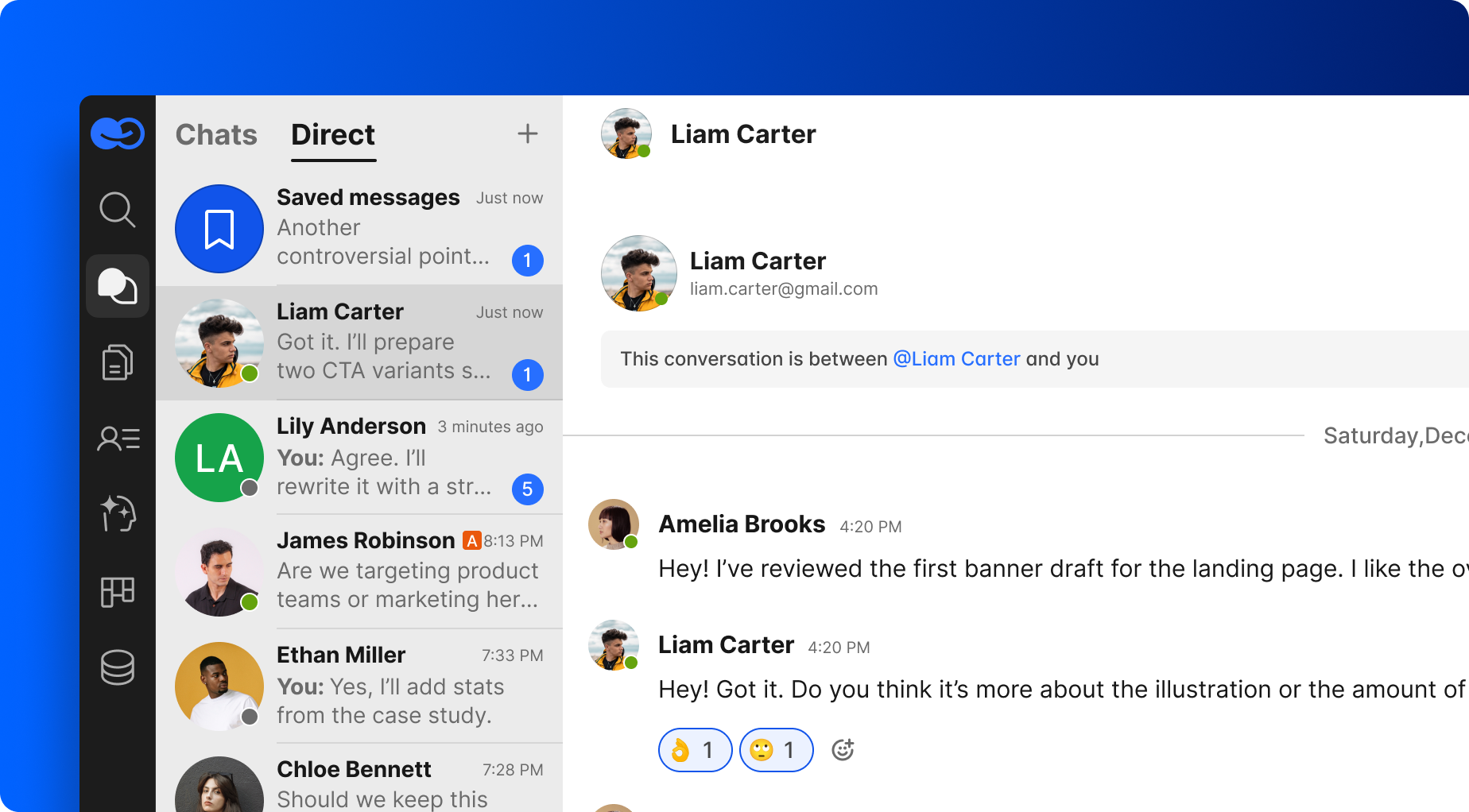
Active Communication approach implies threaded chats and channels to eliminate the chaos of typical messengers, making history searchable and decisions trackable.
Pillar 2: The Power of Integrated AI Voice and Native Meeting Notes
Audio and video meetings happen directly inside the workspace. AI assistants are context-aware; they listen and participate by summarizing discussions and automatically extracting "next steps," ensuring no decision is lost.
Pillar 3: An AI Project Management Tool for Seamless Task Management
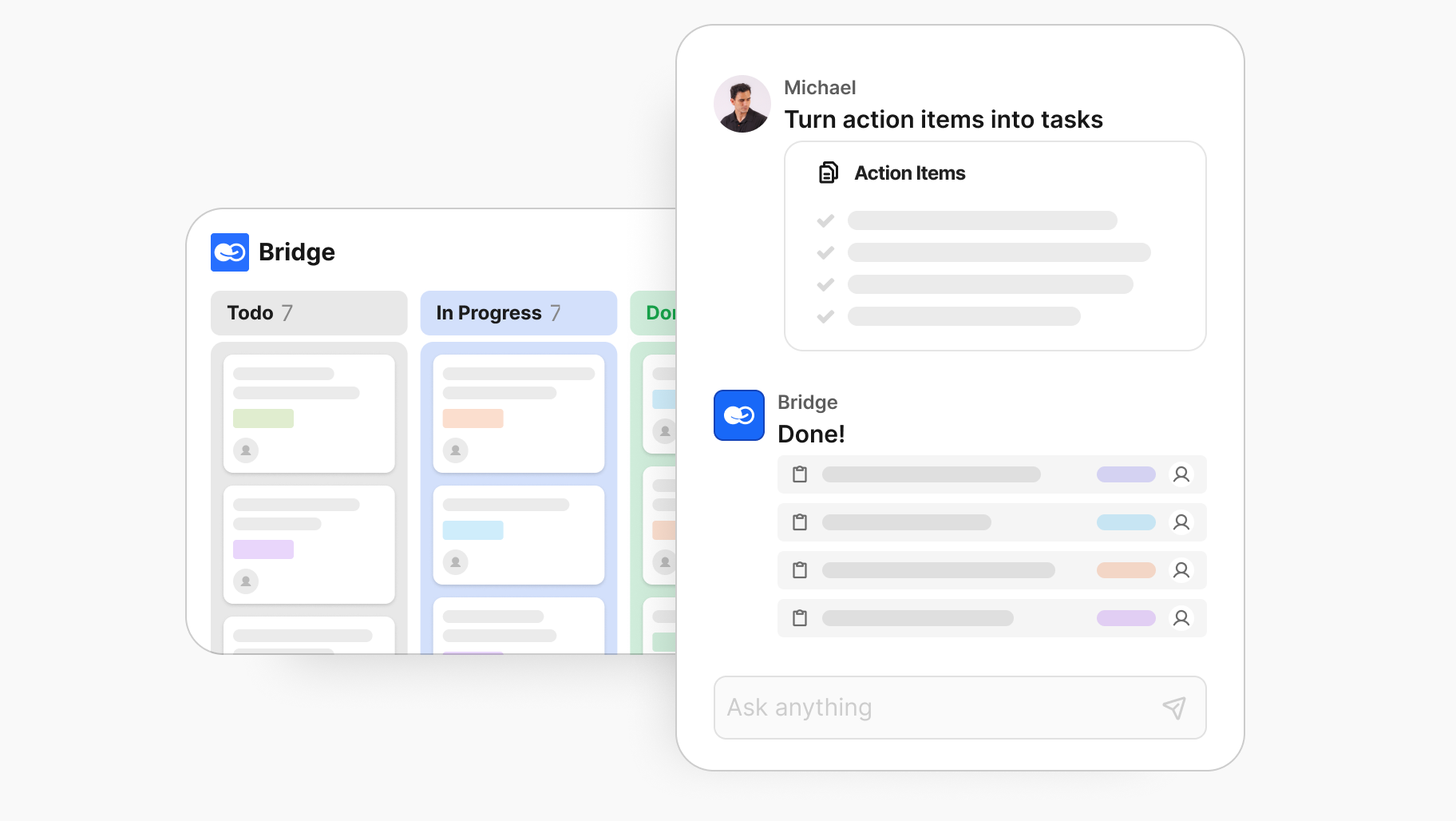
A native Kanban task tracker ensures that a "decision in chat" becomes a "tracked task" instantly. You don’t need to switch to Jira; the execution is part of the conversation. This creates a continuous task-intent Loop.
Pillar 4: Building a Living Knowledge Base
Documents, instructions, and databases are no longer static files; they form a knowledge hub, which becomes the foundation of context and agentic long-term memory. They are linked records that agents can read, write to, and analyze through a simple chat interface.
Pillar 5: All-in-One Relational Databases to Replace Fragmented Internal Tools
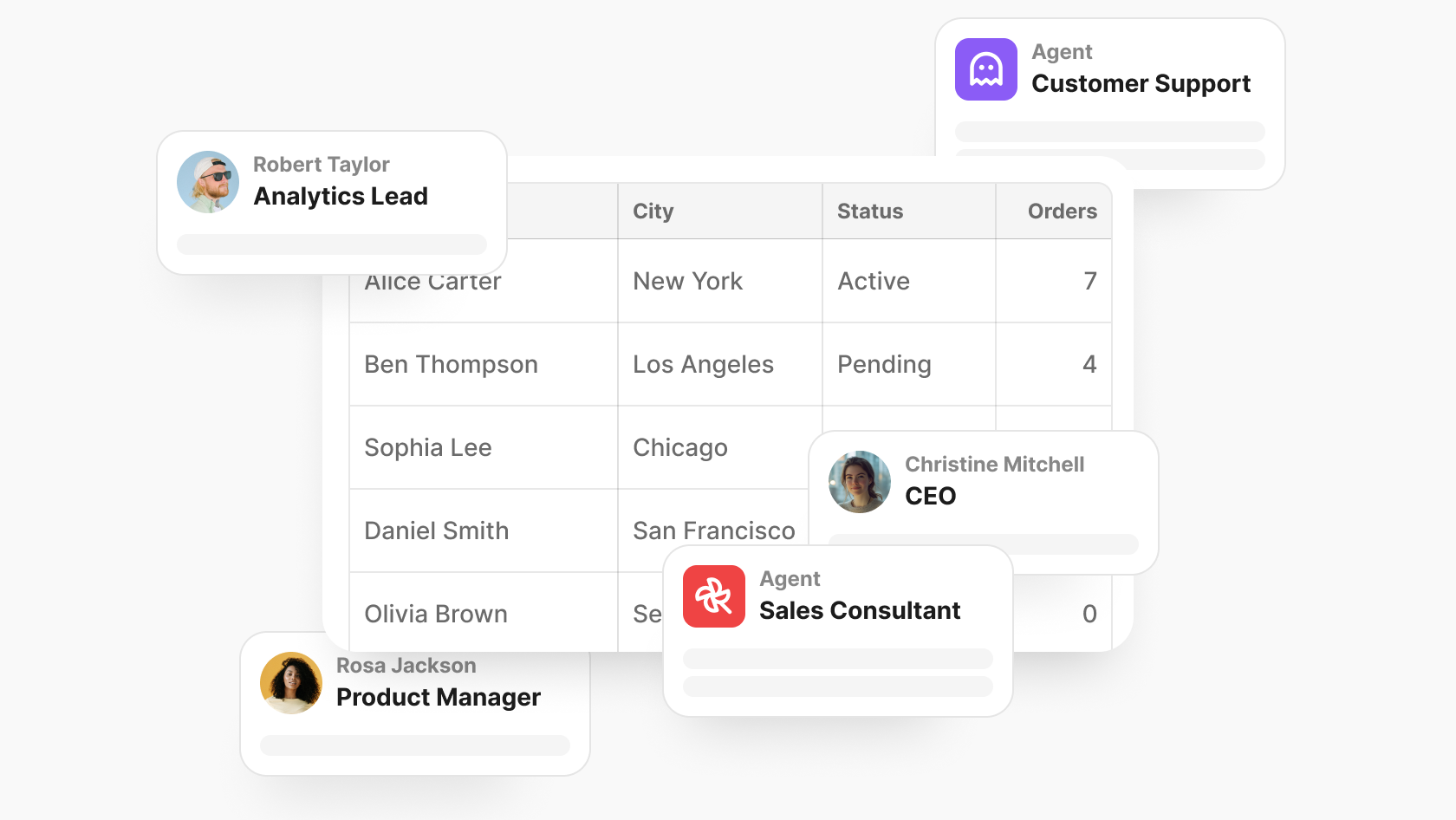
BridgeApp replaces the "100-tab Excel" nightmare with a neat, linked environment for live data repositories (think, e.g., CRM or objects, transactions, invoices, assets) , which both agents and real people can operate. Whether it’s these databases allow both agents and human teammates to filter, link, and update records in real-time.
Pillar 6: Deploying AI Employees to Automate Workflows and Routine
Autonomous AI Agents are a part of your hybrid team, living in the BridgeApp ecosystem. They operate with full organizational context—reading chats, filling databases, and analyzing documents according to your company’s standards. BridgeApp includes a native development environment to architect these agents using a structured logic of nodes, skills, prompts, and specialized modules.

Why BridgeApp is the "Ideal Blueprint"?
The true power of BridgeApp lies in its agency. Unlike legacy PM software with AI "stickers," AI agents are deeply integrated into the context of the organization. They can read your chat history, query your databases, and summarize your meetings because they live in the same "nervous system" as your data.
This allows for "Closed Loop" automation: you tell an agent to "sort these invoices" or "prepare a summary of the client call," and it happens within your workspace according to your company’s standards. BridgeApp moves the team from a "zoo of tools" to a streamlined flow where people focus on processes while agents focus on tasks.
Naturally, we’re closely watching all the protocols that claim to be universal. By incorporating the Model Context Protocol (MCP) as a universal connector, we’re solving the "silo problem." If an agent speaks MCP, it can instantly inhabit our environment, plugging its tools and resources into the team’s workflow without us needing to rewrite a single line of logic. Next on our horizon are the Agent2Agent (A2A) protocol by Google and the Agentic Commerce Protocol (ACP) by OpenAI.
BridgeApp Collaborative Workspace Control, Deployment, and Pricing
Security and sovereignty remain the bedrocks of this infrastructure. Unlike cloud-only giants, BridgeApp supports on-premises deployment, allowing you to keep your organizational memory entirely under your own control, on your own servers.
You can start building your workbench today. BridgeApp offers a range of options to fit any team, including a free version plan for those just starting their agentic journey.
Explore our pricing, sign up for the Free Forever plan, or request a demo of a Pro Plan.
Measuring the Impact of an AI Agentic Workspace: A Team Case Study
To catch a glimpse of the economics within an agentic environment, we must compare the "coordination tax" of a legacy setup against the efficiency of a BridgeApp-native workflow.
The Typical Weekly "Coordination Tax" (Per Team Member) and the BridgeApp Recovery:
- Meetings: Instead of a salesperson manually writing meeting minutes (20 min), BridgeApp agents automatically generate a summary and define subsequent steps.
- Long Threads: Instead of a manager spending time reading through fragmented chats to find info (5 min), agents synthesize the core decisions and proposed solutions.
- Task Management: Instead of a project manager manually migrating data and creating tasks in external trackers (10 min), agents create tasks directly from the conversation context.
- Data Retrieval: Instead of a buyer manually filtering spreadsheets for stock levels (15 min), they simply ask the agent in natural language to provide the number and a chart.
The Bottom Line for a 10-Person Team: By automating these routine friction points, BridgeApp recovers 4.6 hours per person every week. For a team of ten, this totals 46 hours of reclaimed time weekly—effectively gaining the productivity of an additional full-time employee solely through agentic efficiency.
Enterprise Scaling (250 People):
- Annual Time Reclaimed: 55,200 hours.
- Financial Impact: At an average hourly rate of €30, this equates to €1.6 million in annual savings on routine operations alone.