BlogIndustry Insights
Best Stackby Alternatives for Database Management and Project Collaboration

Maria ZhuHead of content
14 min read
Stackby has carved out a niche as a no-code platform combining spreadsheet familiarity with relational database capabilities. Teams use it for CRM systems, inventory tracking, and content pipelines without writing a single line of code.
But here’s the reality: many teams outgrow Stackby’s 10,000-row performance threshold, face rising costs for API-heavy usage, or need deeper real-time collaboration than comments alone can provide. Alternatives to Stackby often offer enhanced functionality for building internal applications, including better integration and user-friendly interfaces.
This guide covers seven alternatives ranging from traditional database tools to modern AI-powered workspace solutions — helping you find the right fit for your specific needs.
How We Chose the Best Stackby Alternatives?
No-code platforms allow users to build applications without needing to write code, using visual interfaces and pre-built components instead. We evaluated each alternative against these criteria:
- Database functionality: Custom schema design, relational links, and multi-view rendering (grid, Kanban, calendar)
- Collaboration features: Real-time editing, threaded comments, and integrated communication
- Integration capabilities: Native APIs, Zapier/Make support, and app marketplace depth
- Ease of use: Onboarding time under 30 minutes with intuitive drag-and-drop interfaces
- Pricing structure: Free tier generosity and scalability without per-row fees
- AI automation: No-code builders for agents handling multi-step logic
- Deployment options: On-premise or hybrid options for data sovereignty compliance
Top 7 Stackby Alternatives for Database and Project Management
1. BridgeApp
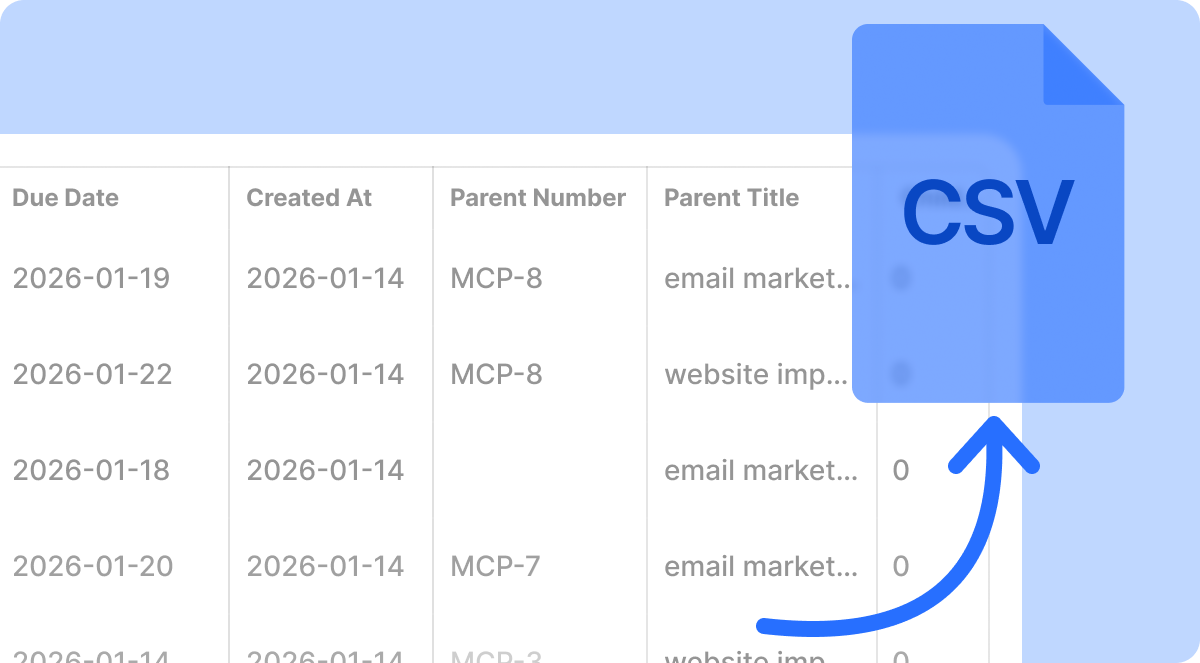
BridgeApp is an AI-native digital workspace that unifies databases, project management, and team communication into a single platform—often called the next-generation corporate operating system.
Why It Stands Out
The platform's AI-first architecture embeds intelligence natively rather than as bolt-ons. Its visual no-code agent builder lets teams create custom AI agents that automate tasks across all modules without technical expertise.
BridgeApp is built with security and privacy in mind, offering both cloud and on-premise deployment options, EU-hosted infrastructure, and GDPR-compliant data handling.
What makes it different:
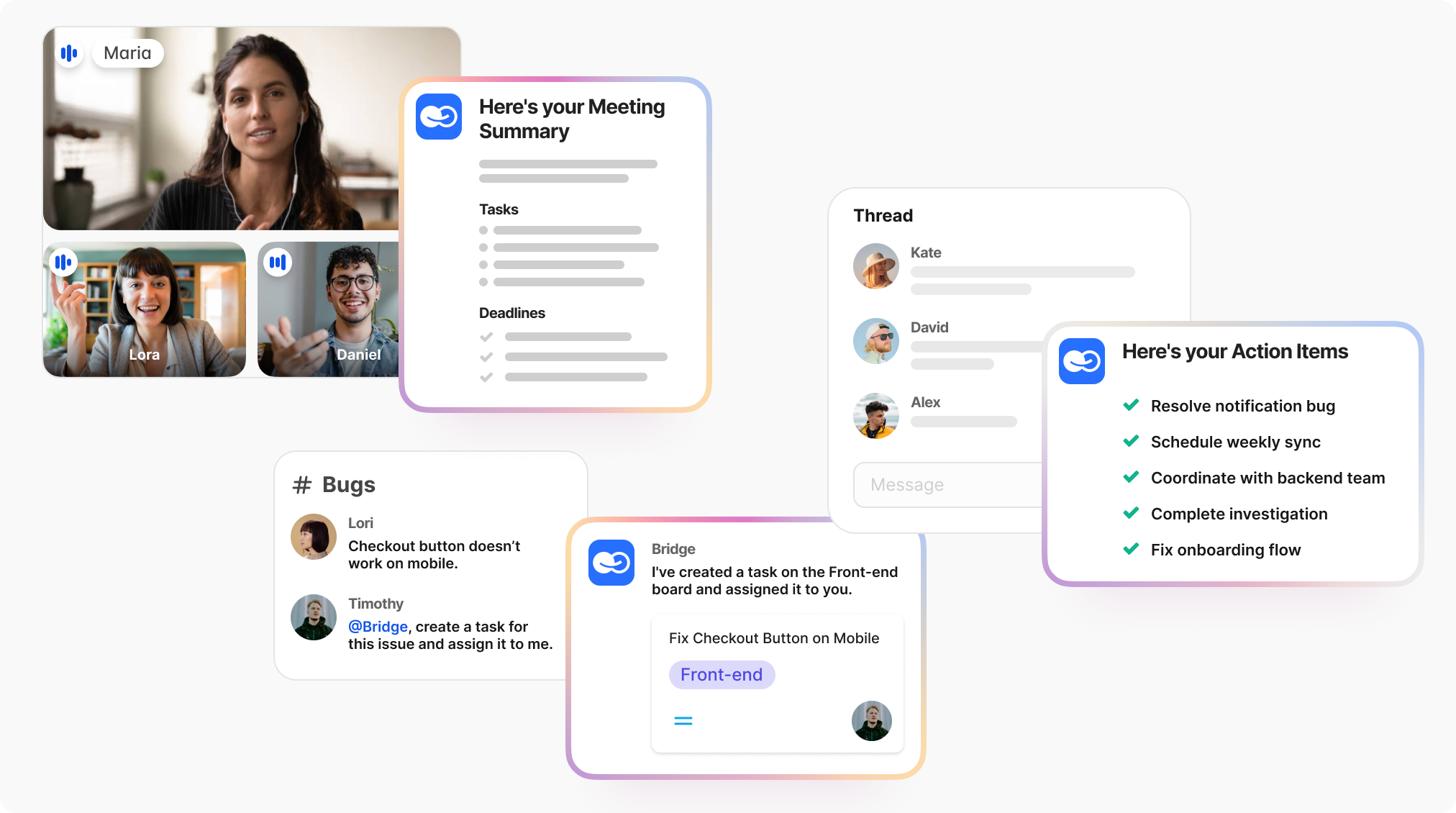
- Access to all major AI models (GPT, Claude, Llama) with company context
- MCP (Model Context Protocol) supports connecting external servers for unlimited automation scenarios
- Flexible deployment: cloud, on-premise, private cloud, or hybrid
Best For
- Teams seeking to reduce context switching and tool fragmentation
- Organizations requiring GDPR compliance and EU data sovereignty
- Businesses wanting to automate routine workflows with AI agents
Key Strengths
| Feature | Benefit |
|---|---|
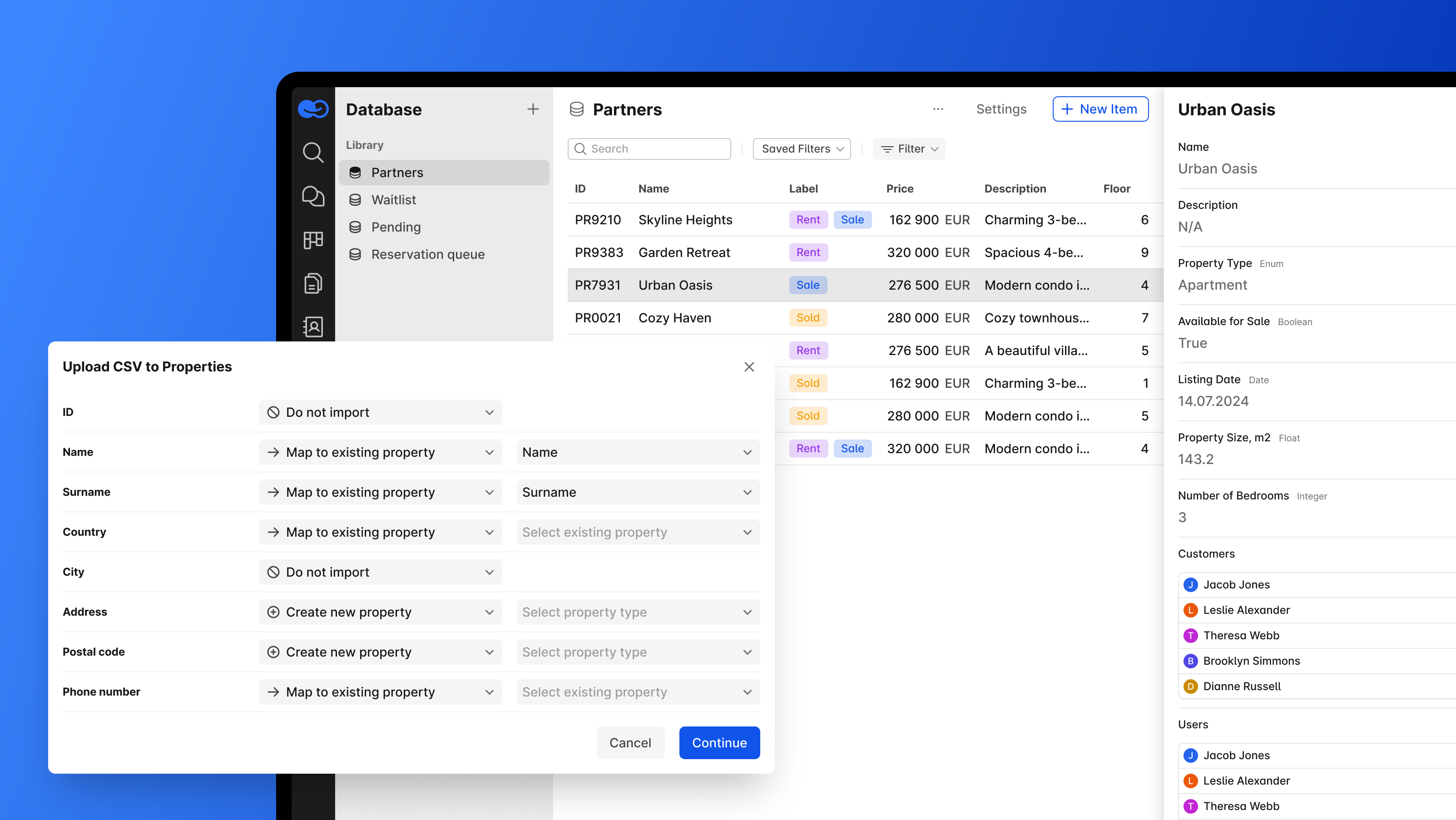
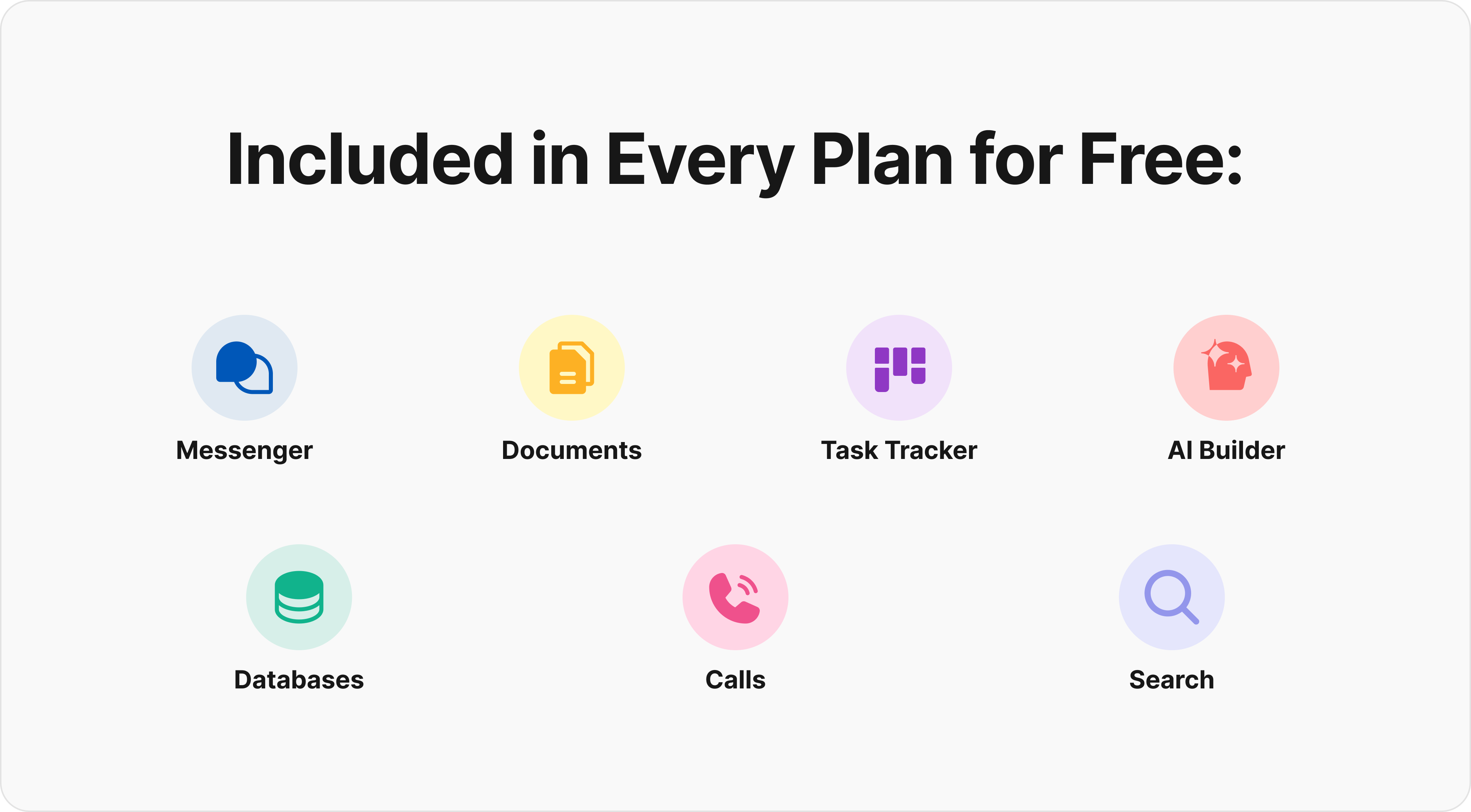
| Custom databases | No-code flexible schema creation with unlimited rows (Pro) |
| Built-in communication | Channels, threads, audio/video calls—no third-party SDK |
| AI agents | Automate meeting summaries, task creation, database queries |
| Pricing | Free forever plan with unlimited members |
| Time savings | 4.6 hours saved per employee weekly on routine tasks |
1) One Platform to Rule Them All — no integration chaos, no vendor sprawl.
2) On-Premise Deployment — unlike Slack or Teams, Bridge can run inside an organization’s own infrastructure, ensuring data sovereignty and compliance.
3) White-Label & Extensible — enterprises can adapt Bridge with their own branding, agents, workflows, and modules.
4) Alternative to US Giants — empowering European, Middle Eastern, and global enterprises with digital independence.
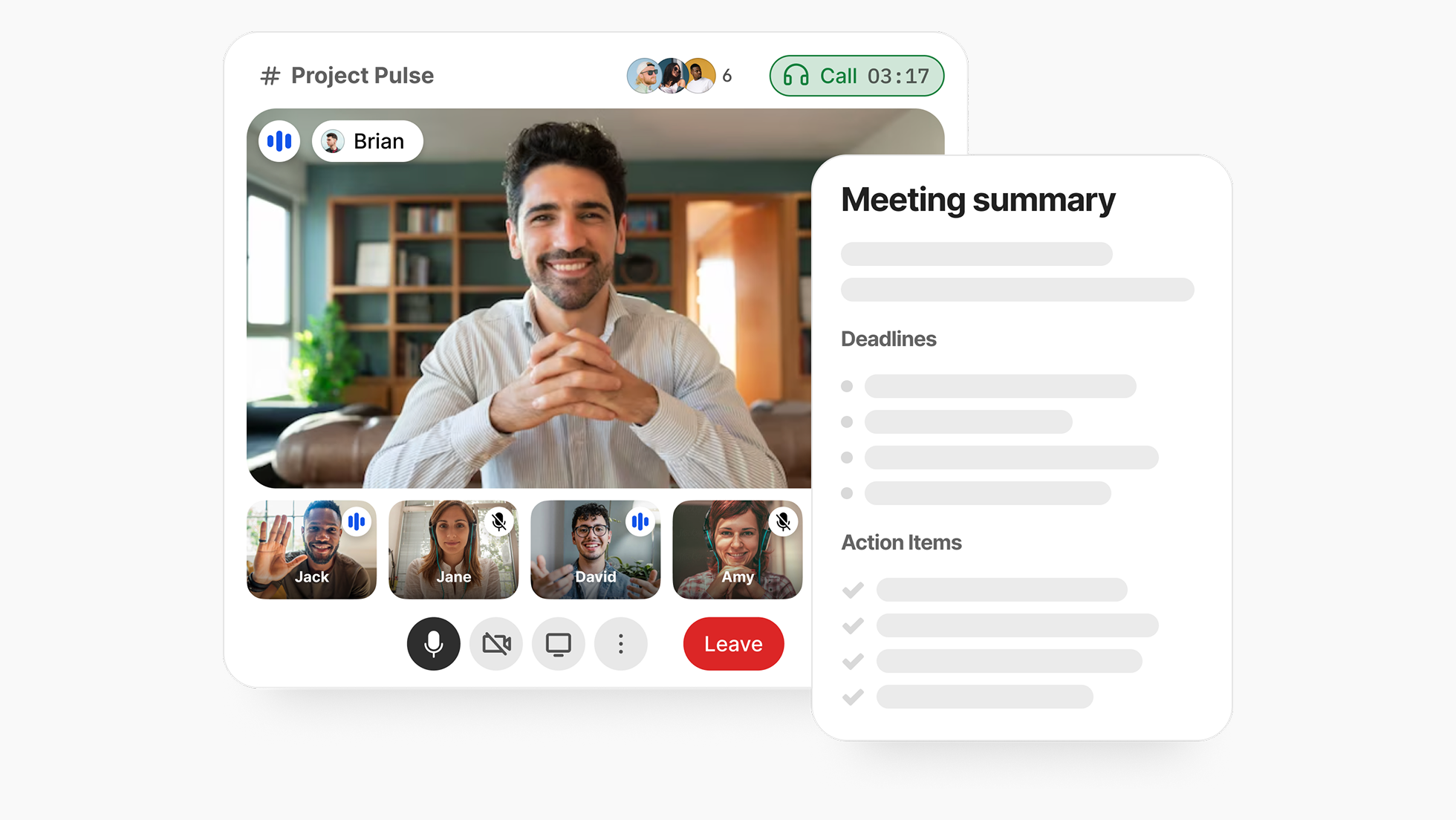
BridgeApp offers both the usability of modern collaboration tools and the trust of on-premise deployment, making it highly relevant for governments, regulated industries, and organizations seeking independence from American cloud monopolies.
The pricing structure includes options for annual billing, which provides cost savings — Pro runs at €7.5/user/month yearly versus € 9/month.
2. Airtable
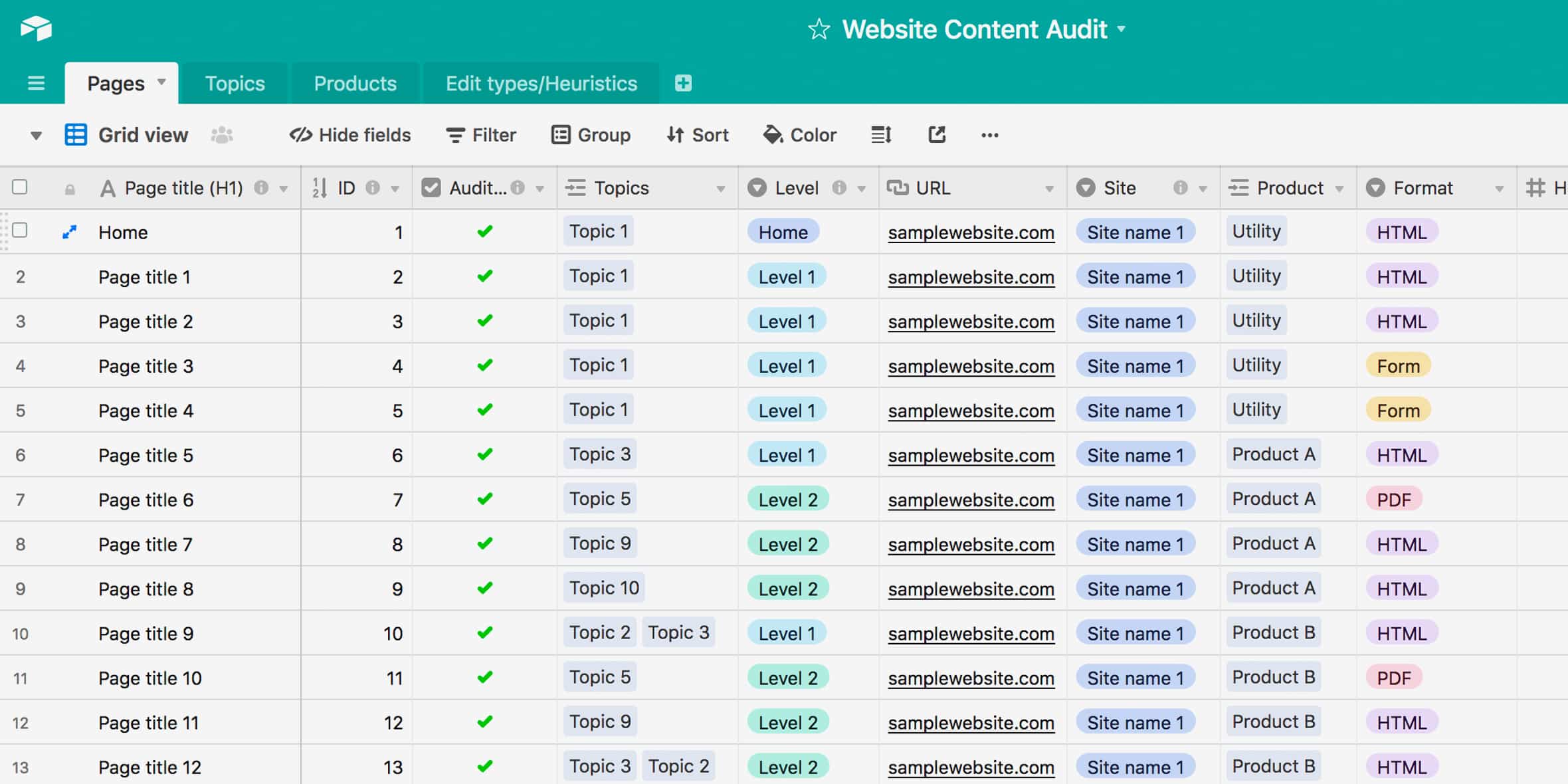
Airtable pioneered the spreadsheet-database hybrid approach, now serving 500,000+ organizations with strong visualization and collaboration features.
Why It Stands Out
The intuitive interface feels like Google Sheets but functions like a relational database. With 50+ field types, including AI-generated summaries in Plus plans, it integrates seamlessly with 1,000+ native apps.
Best For
- Teams familiar with spreadsheets who need database functionality
- Content creators and marketing teams managing campaigns
- Small to medium businesses with standard workflow needs
Key Strengths
- User-friendly interface with minimal learning curve
- Multiple view types, including grid, calendar, Kanban, and gallery
- Strong mobile apps experience
- Extensive template library for common use cases
Possible Limitations
- Team plan starts at $20/user/month (50,000 records), Business $45
- Per-record overages ($10/5,000 records) can surprise growing teams
- Limited customization for complex business processes
3. ClickUp
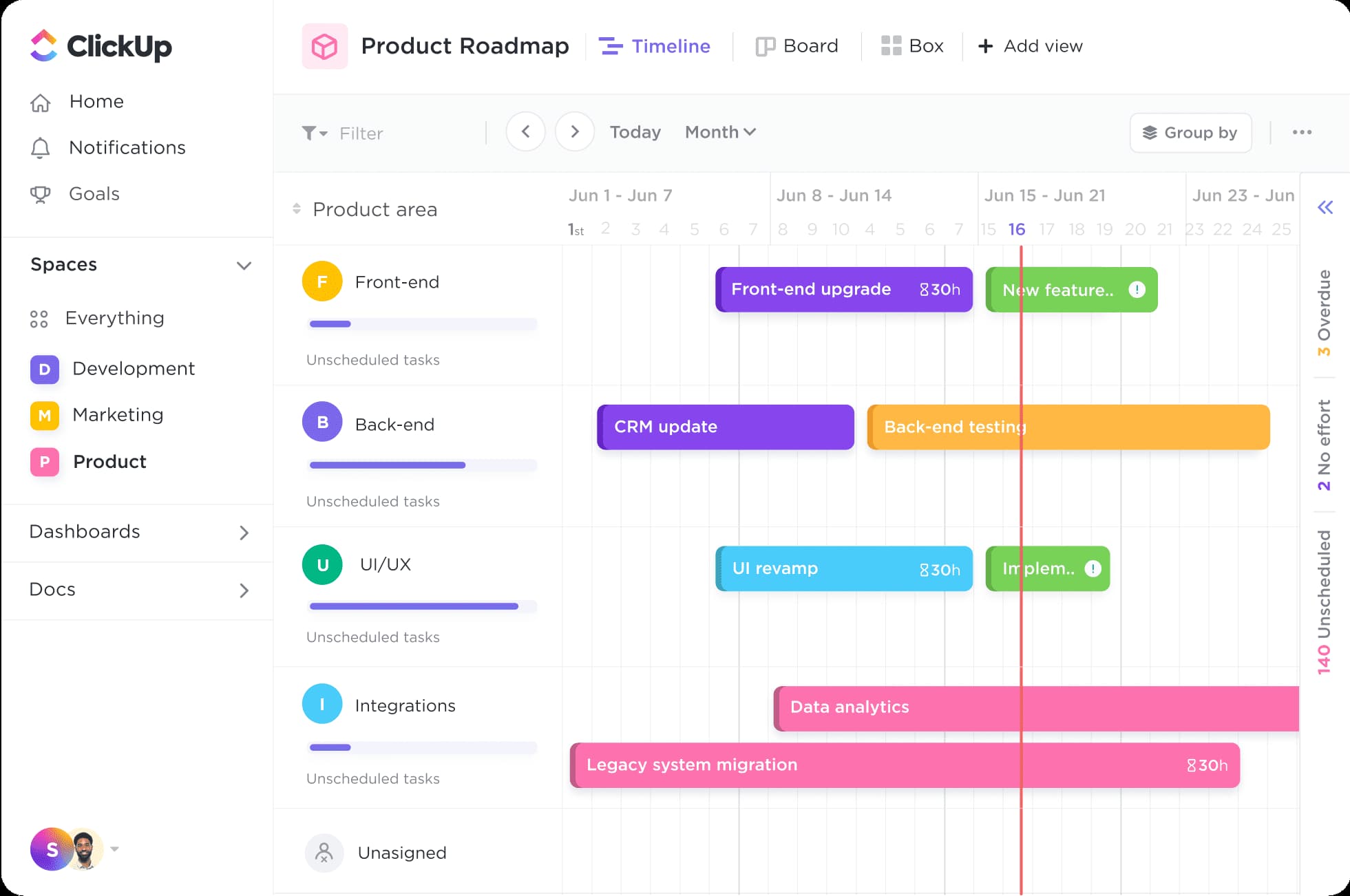
ClickUp evolved from a task manager into a comprehensive project management platform with database capabilities and 15+ views for organizing work.
Why It Stands Out
Project management tools often provide features such as task assignment, real-time collaboration, and customizable workflows—ClickUp delivers all of these with dependencies, time tracking, and goals built in.
Best For
- Project managers needing detailed task tracking and reporting
- Remote teams require comprehensive collaboration tools
- Agencies managing multiple client projects simultaneously
Key Strengths
- Generous free plan for unlimited tasks and members (100MB storage)
- Advanced features like dependencies and critical path analysis
- 1,000+ integrations to manage projects across tools
- Custom fields and statuses for any workflow
Possible Limitations
- Can feel overwhelming due to the extensive feature set (2-hour average onboarding)
- Performance dips with 50,000+ items compared to dedicated database tools
4. Notion
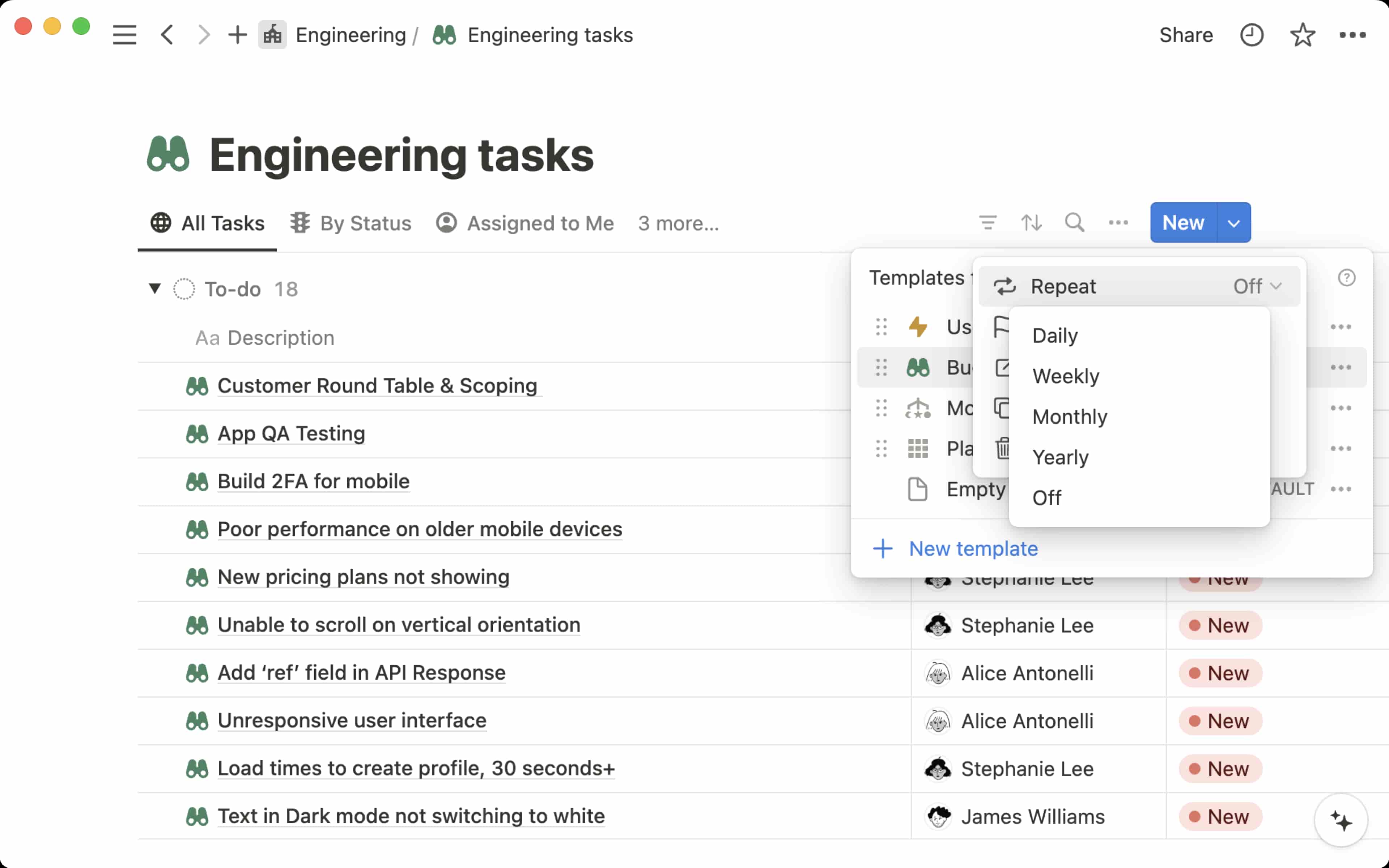
Notion combines databases, documents, and wiki functionality through a block-based editor that allows custom page layouts and structures.
Why It Stands Out
No-code and low-code project management tools enable users to create applications and manage projects without requiring extensive programming knowledge. Notion exemplifies this with properties like rollups, relations, and formulas.
Best For
- Teams prioritizing documentation and knowledge sharing
- Startups needing flexible, cost-effective workspace solutions
- Content teams managing editorial calendars
Key Strengths
- Highly flexible workspace design using a block-based approach
- Strong free plan for individuals (unlimited blocks, 5MB uploads)
- Excellent for combining structured data with unstructured content
- Plus plan at $8/user/month offers synced databases and Notion AI
Possible Limitations
- Steeper learning curve for complex database setups
- Lacks bidirectional automations between databases
- Limited advanced project management versus dedicated tools
5. Monday.com
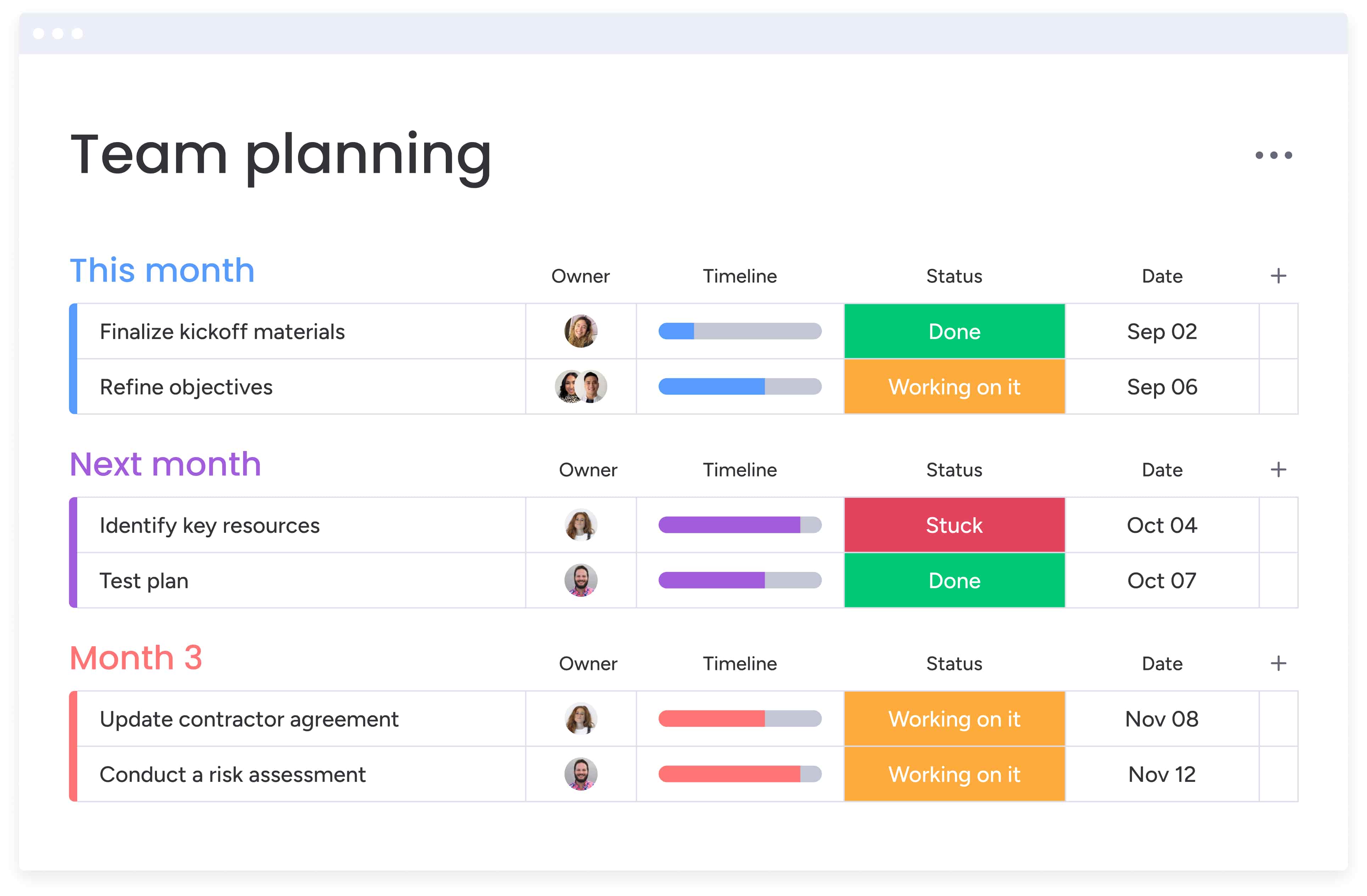
Monday.com takes a visual, color-coded approach to project and data management with boards that adapt to any workflow.
Why It Stands Out
Many project management tools integrate with various applications and services, allowing users to streamline their workflows. Monday’s 200+ app marketplace and powerful automation features let teams collaborate without technical knowledge.
Best For
- Teams prefer visual interfaces over traditional spreadsheets
- Marketing and creative teams managing campaigns
- Operations teams tracking processes and workflows
Key Strengths
- Intuitive visual design easy to understand at a glance
- Strong mobile experience for field teams
- Automation builder for repetitive tasks
- Charts and dashboards for reporting
Possible Limitations
- Standard plan starts at $12/user/month; scales exponentially with more users
- Limited advanced database relationships compared to Airtable alternatives
6. Smartsheet
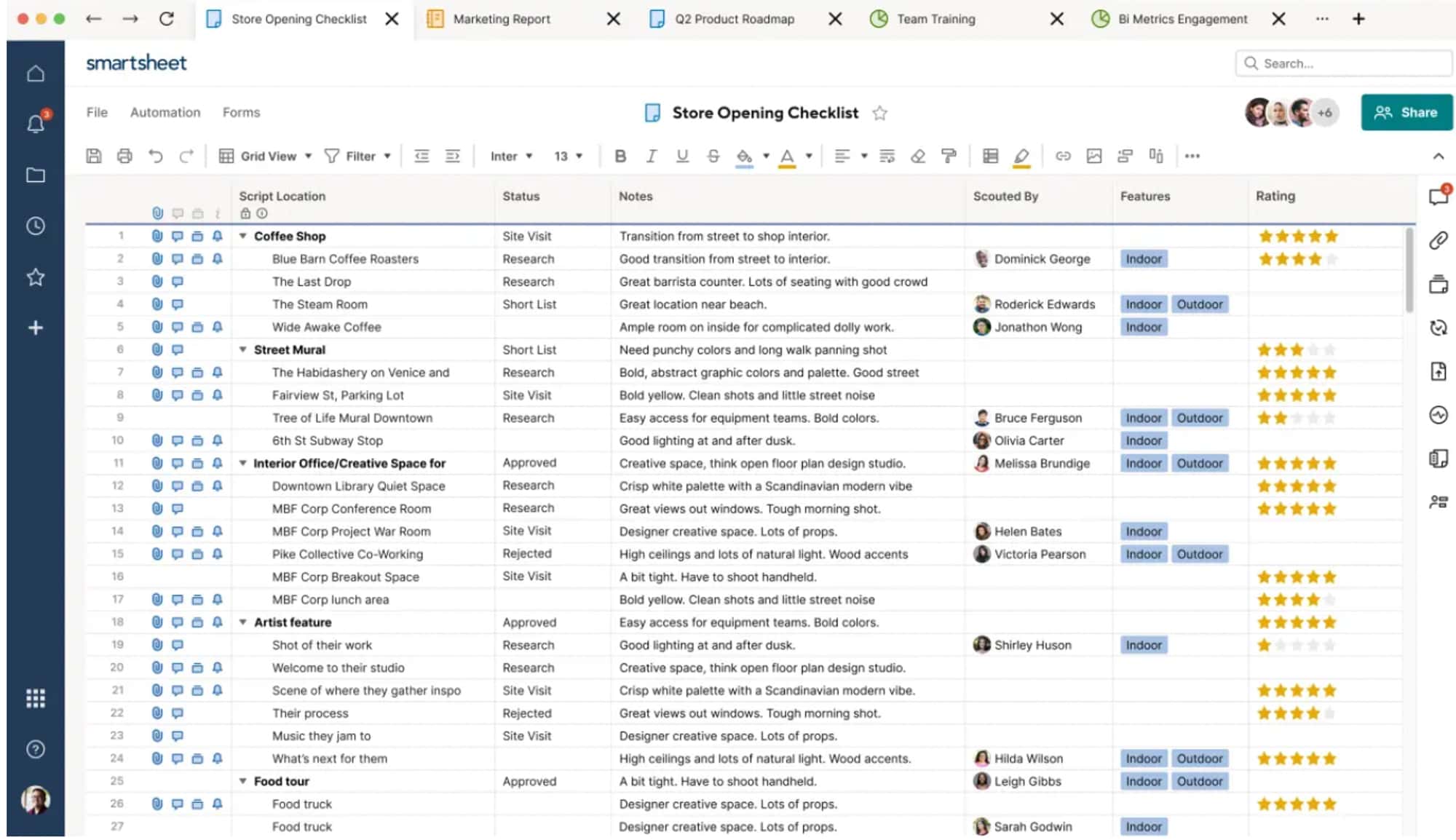
Smartsheet brings enterprise-grade security to the spreadsheet format, with advanced project management features like Gantt charts and resource management.
Why It Stands Out
For organizations familiar with Excel, Smartsheet offers 100+ formulas with enterprise compliance (SSO, SOC2). It handles complex project dependencies that most people find difficult in simpler tools.
Best For
- Large enterprises with complex project management needs
- Teams migrating from Excel want greater flexibility
- Organizations requiring advanced security and compliance
Key Strengths
- Enterprise-grade security with custom domains support
- Advanced Gantt charts and resource management
- Familiar spreadsheet interface reduces learning curve
- Strong for construction, manufacturing, and regulated industries
Possible Limitations
- Business plan at $25/user/month—higher than competitors
- Lacks no-code app-building capabilities
- Can be complex for simple database and collaboration needs
7. Retool
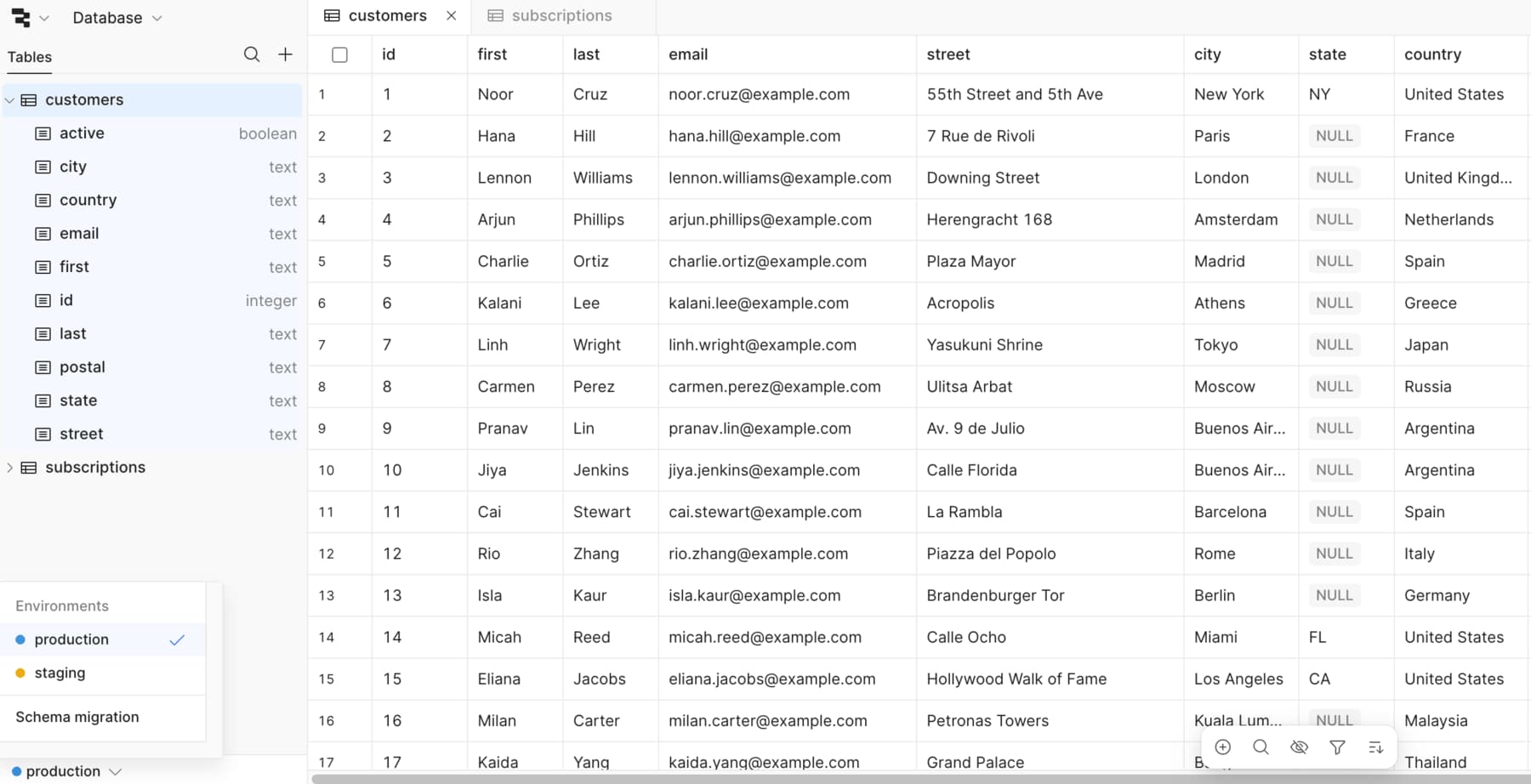
Retool enables technical teams to build custom apps and web applications by connecting to existing databases and APIs through a low-code interface.
Why It Stands Out
Some no-code platforms allow users to create applications that can be published on app stores, but Retool focuses on internal tools with deep customization. Many users seek alternatives to Stackby due to its limitations in creating public-facing applications and the need for more customization options. Retool addresses this for technical teams.
Best For
- Technical teams needing custom internal tools
- Organizations with complex database requirements
- Companies wanting to build admin panels and dashboards
Key Strengths
- Pull data from any database with SQL/Python queries
- Self-hosted deployment option for data sovereignty
- Professional-looking custom apps without full development cycles
- Free for up to 5 users
Possible Limitations
- Requires technical knowledge (SQL) to fully utilize
- Not truly no-code like other options
- Team plan starts at $10/user/month, Business $50
Quick Comparison of the Best Stackby Alternatives
| Alternative | Best For | Starting Price |
|---|---|---|
| BridgeApp | AI-powered unified workspace with custom automation | Free (unlimited members) |
| Airtable | Spreadsheet familiarity with database power | Free / $20/user (Team) |
| ClickUp | Comprehensive project management with databases | Free / $7/user |
| Notion | Knowledge management and flexible design | Free / $8/user |
| Monday.com | Visual project tracking and collaboration | $9/user (Basic) |
| Smartsheet | Enterprise-grade project management | $7/user (Pro) |
| Retool | Custom internal tool development | Free (5 users) / $10/user |
Many no-code platforms offer free tiers or low-cost plans, making them accessible for individuals and small businesses looking to create applications without significant investment.
How to Choose the Right Stackby Alternative?
Choose Based on Your Primary Use Case
If your team needs database-first functionality with linked records and custom fields, Airtable or BridgeApp provide the most flexibility. For comprehensive project management with tasks, dependencies, and time tracking, ClickUp or Monday.com excel.
Teams prioritizing documentation should consider Notion, while enterprises needing compliance choose Smartsheet.
Choose Based on Technical Requirements
Data sovereignty matters increasingly in 2026—BridgeApp offers on-premise deployment with GDPR compliance, while Retool provides self-hosted options for technical teams.
For AI automation beyond basic Zapier triggers, BridgeApp’s multi-model agents create custom workflows handling multi-step logic.
Choose Based on Team Size and Budget
Pricing for no-code platforms can vary significantly, with some offering free tiers and others starting at around $10 per user per month. Many no-code platforms provide a range of pricing plans, often including a free tier, with paid plans typically starting from $5 to $59 per user per month depending on the features offered.
| Team Size | Budget-Friendly Choice | Power User Choice |
|---|---|---|
| Solo/Small | Notion Free, BridgeApp Free | Airtable Team |
| Mid-size | ClickUp Unlimited | BridgeApp Pro |
| Enterprise | Smartsheet Business | BridgeApp Enterprise |
Which Stackby Alternative Is Best for You?
- Choose BridgeApp if you want to eliminate tool fragmentation with AI-powered automation and need deployment flexibility
- Choose Airtable if you need proven database functionality with extensive integrations like Airtable
- Choose ClickUp if comprehensive project management is your priority
- Choose Notion if knowledge management with database capabilities fits your workflow
- Choose Monday.com if you prefer visual, board depending interfaces for team collaboration
- Choose Smartsheet if you require enterprise-grade features and compliance
- Choose Retool if you need custom apps with complex database integrations
No-code platforms are designed to enable users to create applications quickly and efficiently, often featuring drag-and-drop interfaces and integration capabilities with various data sources. The right software depends on matching these capabilities to your business plan.
The Bottom Line
The best Stackby alternative ultimately depends on your team’s specific workflows, technical requirements, and growth trajectory. Modern alternatives offer more than just database functionality—they provide unified experiences combining databases, tasks, docs, and communication.
For teams tired of switching between 6-7 disconnected tools, platforms like BridgeApp represent the 2026 trend toward consolidation. Gartner predicts 40% of enterprises will reduce their stack to fewer than 10 core tools by 2027.
Take advantage of free plans to test features before committing. BridgeApp’s unlimited free tier lets you evaluate full project management, databases, and AI agents—potentially revealing that 60% context-switching reduction immediately.
Your customers and clients deserve streamlined operations. Start testing alternatives today to find the platform that helps you organize, automate, and track work more efficiently than ever.