BlogIndustry Insights
What Are Remote Teams? Complete Guide for Managers in 2026

BridgeApp Team
8 min read

Remote teams are groups of individuals who collaborate and work together from different locations, relying on digital communication tools to achieve shared team goals. Understanding how to effectively manage distributed and remote teams is crucial for modern business leaders — it enables access to a global talent pool, supports flexible work arrangements, and drives productivity in ways that office-based counterparts increasingly struggle to match.
In this guide, we'll explore the definition of remote teams, their significance, how they operate, and practical strategies for effective collaboration across time zones and different countries.
What Are Remote Teams?
A remote team is a group of individuals who work remotely from different locations — often across different countries and time zones — using digital communication and project management tools to collaborate and achieve the common team's goals. Unlike traditional teams that operate from the same office or central office, remote teams leverage technology to connect, allowing for greater flexibility in work hours, work environment, and location.
Key Traits of Remote Teams
Distributed Locations — Team members are spread across various remote offices, cities, different countries, or even continents. A geographically dispersed team might include software developers in Berlin, customer service representatives in Manila, and product managers in Toronto — all working as one cohesive unit.
Digital Communication — Effective collaboration happens through communication tools, video conferencing, instant messaging, and project management tools rather than face-to-face interactions in a physical office.
Shared Goals — All remote team members work toward the common team's goals, ensuring alignment and accountability regardless of whether they're in the same city or on opposite sides of the globe.
Flexible Work Arrangements — Remote workers can often set their own work hours, accommodating personal needs and time zone differences — a key difference from office-based counterparts bound to a central office schedule.
For example, a development team might include software developers in different countries all working remotely on the same product sprint — collaborating through instant messaging, video calls, and shared project management tools as naturally as if they shared the same location.
Why Do Remote Teams Matter?
Remote teams matter because they empower organizations to tap into global teams of talent, enhance productivity, and bring diverse perspectives into every project. With remote-capable jobs increasing by 44% since 2020, and over 70% of companies embracing some form of distributed teamwork, business leaders who understand remote teams gain a genuine competitive edge.
Access to skilled employees globally — Remote teams offer the ability to hire the best-skilled employees regardless of geography. Geographically dispersed teams draw from diverse perspectives across different countries and cultures — fueling innovation in ways that same-location hiring simply cannot match.
Cost reductions — Organizations that work remotely eliminate significant office space overhead. Companies like Zapier save approximately $1.5 million annually by operating without a central office — cost reductions that can be reinvested in remote team members, tools, and growth.
Better work-life balance — Flexible work arrangements consistently outperform traditional team office structures on employee satisfaction. Remote workers who control their work environment and work hours report higher engagement and lower burnout than office-based counterparts.
Higher retention — Companies with successful remote teams see 25% higher employee retention compared to those without flexible work arrangements. For business leaders managing skilled employees in competitive talent markets, this is significant.
Remote employees often report higher job satisfaction than their office-based counterparts — leading to stronger engagement and lower turnover across distributed and remote teams.
How Do Remote Teams Work?
Remote teams work by leveraging technology to communicate, collaborate remotely, and achieve shared team goals regardless of physical office location. The daily operations of a distributed team center on structured digital communication, regular check-ins, and project management tools that keep every team member on the same page across time zones.
A typical day for remote team members might look like this:
Morning — A quick check-in via instant messaging where remote workers share their priorities. This replaces the casual, informal conversations that happen naturally in the same office setting — and when done well, it builds the shared understanding that keeps a geographically dispersed team aligned.
Midday — Asynchronous updates in project management tools, allowing the entire team to track progress without requiring everyone to be online simultaneously. This is where distributed team productivity compounds — virtual team members in different countries contribute on their own schedule without blocking others.
Afternoon — A video conference or video calls session for deeper discussion, brainstorming, or decisions that benefit from face-to-face interactions — even virtual ones. Video conferencing tools remain one of the most important bridges between remote employees and the collaborative energy of a team in the same location.
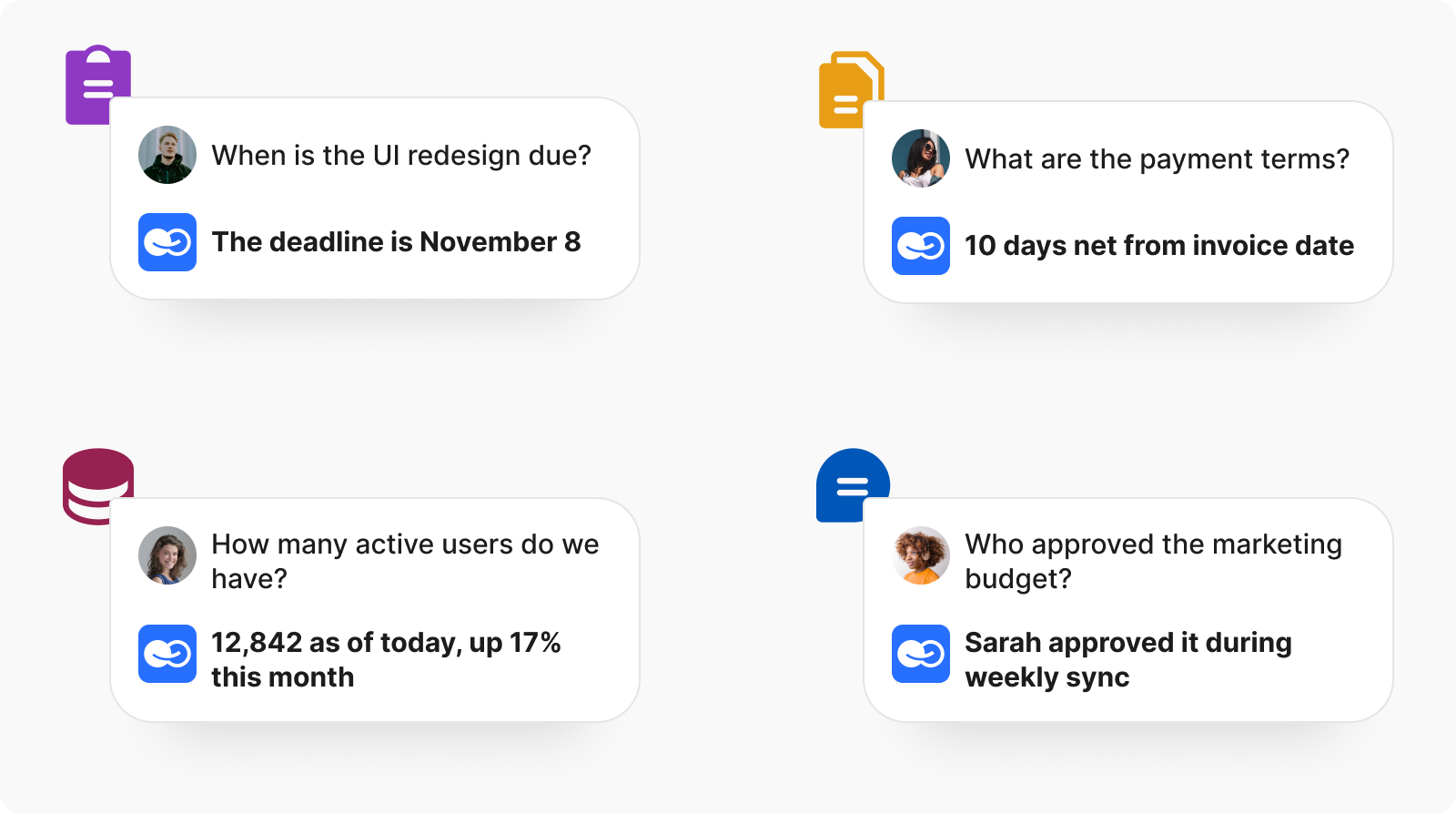
Essential tools for remote teams to work effectively:
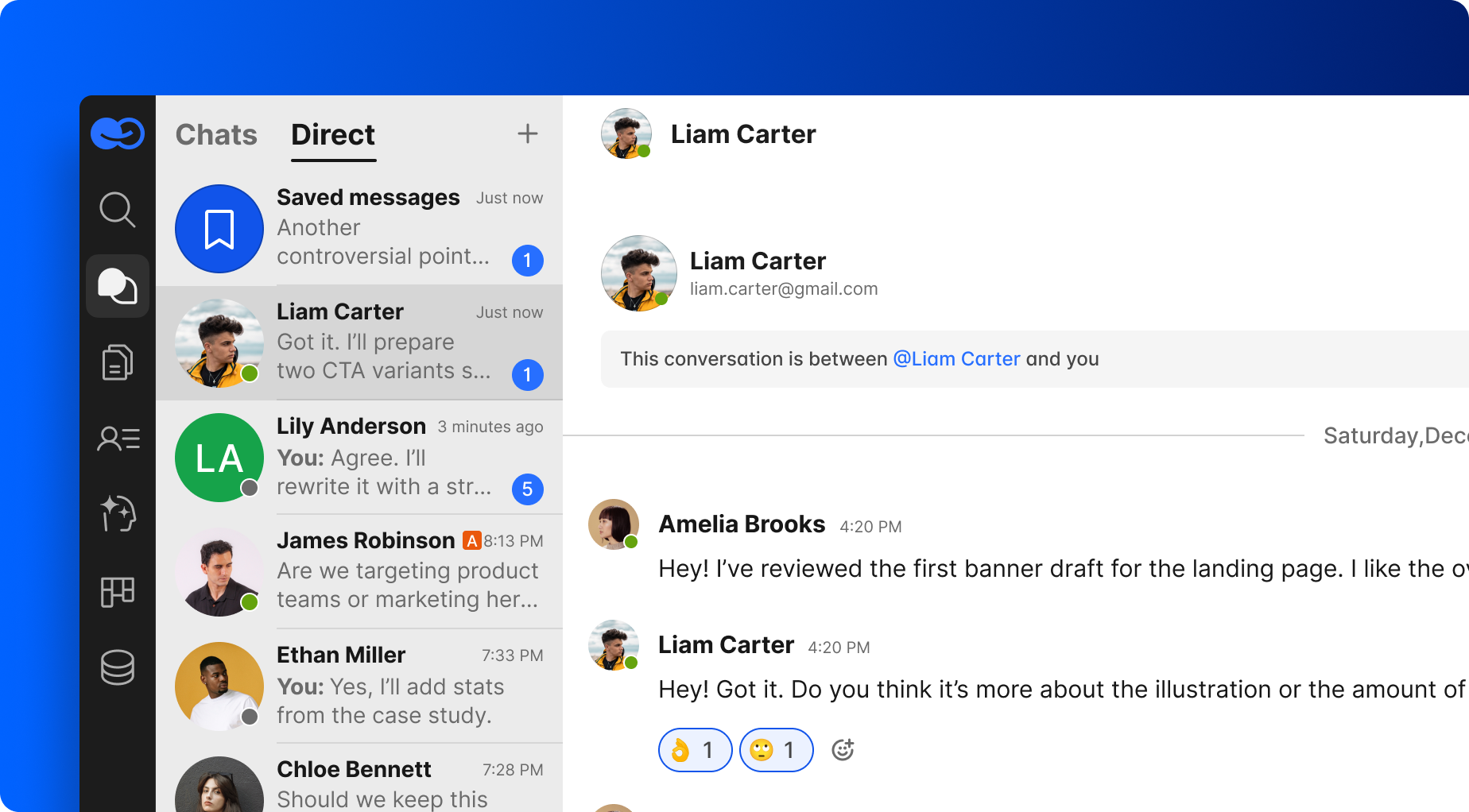
Communication Tools — Platforms like BridgeApp, Slack, or Microsoft Teams facilitate effective communication through instant messaging, channels, and threads — keeping remote team members connected without overwhelming work hours with video calls.
Project Management Tools — Platforms that help distributed and remote teams organize tasks, set deadlines, and monitor the team's progress toward goals. Without these, remote workers lose visibility into how their work connects to the team's goals and those of other team members.
Video Conferencing — Video conference tools like Zoom, Google Meet, and BridgeApp enable face-to-face interactions that instant messaging alone can't replicate — essential for building the shared understanding and company culture that remote teams require to stay connected.
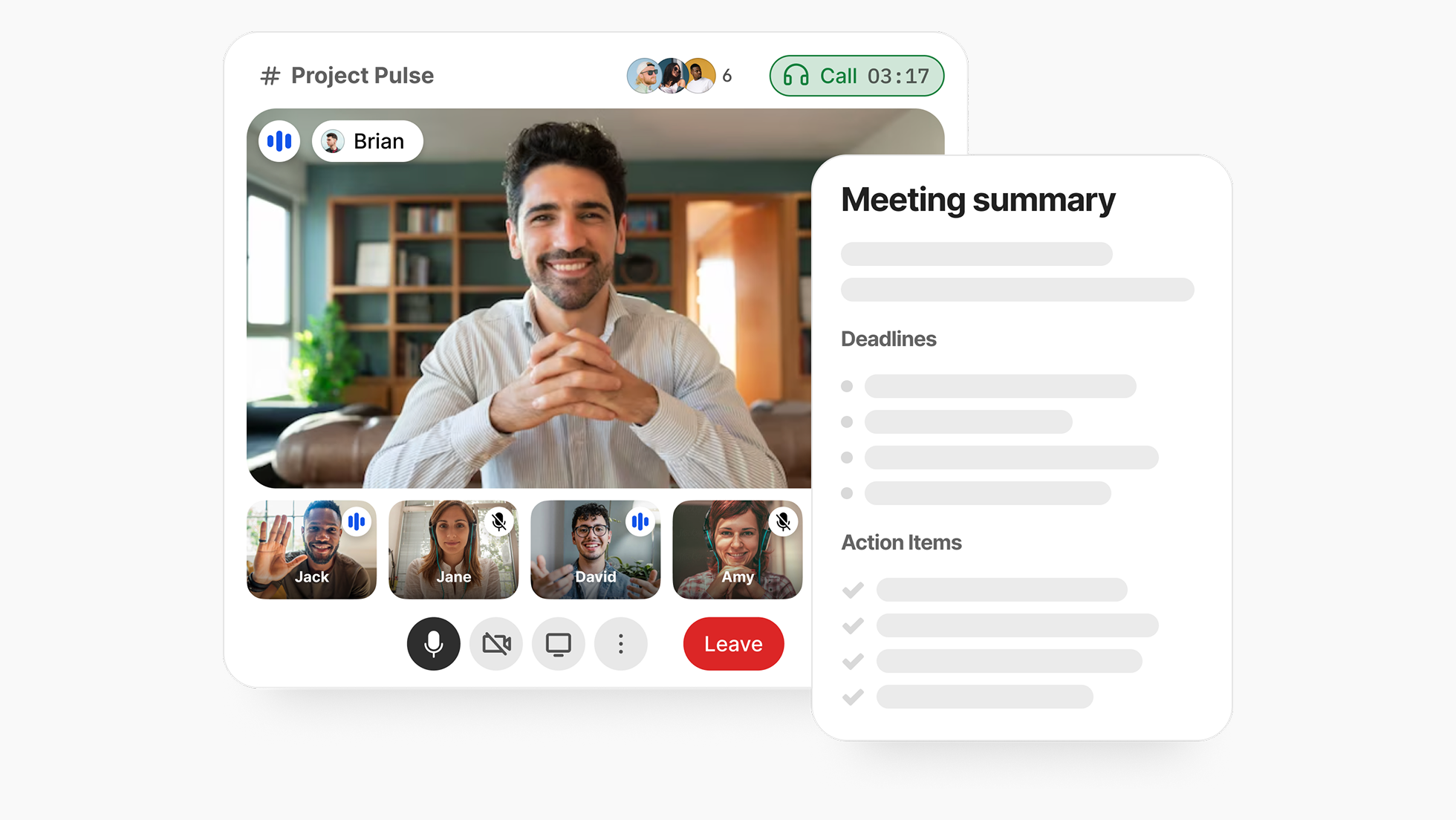
The workflow: Message → Task → Collaborate → Deliver — and BridgeApp is designed to make this entire sequence happen in one workspace, rather than across separate tools.
What Is the Difference Between Remote and Virtual Teams?
Remote teams and virtual teams are often used interchangeably — but they serve different purposes within an organization.
| Aspect | Remote Teams | Virtual Teams |
|---|---|---|
| Definition | Distributed and remote teams of employees within the same organization | Temporary groups, often including members from more than one location or organization |
| Longevity | Stable and ongoing — focused on the long-term team's goals | Transient — formed for specific projects, disbanded on completion |
| Structure | Consistent management framework with defined roles across remote offices | Flexible — roles shift based on project needs |
| Communication | Regular digital communication rituals and regular communication channel protocols | More informal — varies by project timeline |
For business leaders and HR professionals, the distinction matters for policy design. Remote employees need long-term investment in company culture, knowledge sharing, and work environment, while virtual team members need fast onboarding and clear project-scoped team goals.
Networked teams and parallel teams represent additional structures worth understanding: networked teams form organically around expertise, while parallel teams work simultaneously on related problems — both increasingly common in organizations with mature remote work practices.
Pros and Cons of Remote Teams
TL;DR: The biggest benefit is access to global teams of skilled employees; the most pressing challenge is managing time zone differences and maintaining company culture across different locations.
| Pros | Cons |
|---|---|
| Access to global talent — hire skilled employees across different countries, regardless of location constraints | Time zone differences — coordinating across time zones adds scheduling complexity; 20% of remote workers cite this as their top struggle |
| Cost reductions — eliminate office space overhead and reduce operational costs significantly | Isolation — 61% of remote workers report loneliness; without intentional informal conversations and virtual team building, company culture erodes |
| Better work-life balance — flexible work arrangements improve retention and job satisfaction vs. office-based counterparts | Cultural barriers — diverse perspectives are a strength, but cultural differences and different countries' norms require deliberate, effective communication |
| Access to diverse perspectives — geographically dispersed teams bring richer ideas than same city or the same location teams | Company culture challenges — building a genuine company culture without face-to-face interactions requires consistent, intentional virtual work rituals |
How to Successfully Build and Manage a Remote Team
Step 1: Set Clear Goals and Expectations. Define specific, measurable team goals using frameworks like OKRs. Remote team members working across time zones and different locations need explicit clarity about priorities — vague goals that the team understands easily in a physical office become significant confusion points for distributed and remote teams.
Step 2: Recruit for Remote Readiness. Look for remote workers who demonstrate strong digital communication skills, self-motivation, and adaptability. Developing software or service delivery experience in virtual work environments signals the same level of independence that successful remote teams require. Ask behavioral questions about managing time zone differences, working habits independently, and work processes without a central office.
Step 3: Onboard with Remote-First Culture. A new employee joining a distributed team needs more structured onboarding than a traditional team hire. Use video conference tools for virtual meet-and-greets, document your core values and work processes in a central knowledge sharing hub, and intentionally recreate the informal conversations that happen organically in the same office setting. BridgeApp's connected workspace — where documentation, chat, and tasks all live together — makes this kind of remote-first onboarding significantly more effective.
Step 4: Establish Communication Routines. Create a structured, regular communication channel plan that covers daily instant messaging check-ins, weekly video calls, and async project updates. Global teams spanning different countries need clear norms around work hours expectations, time zone differences accommodations, and response windows — otherwise, effective communication degrades into anxiety about availability.
Step 5: Monitor, Iterate, and Invest in Culture. Use surveys and regular feedback sessions to understand how remote employees experience the work environment. Successful remote teams treat company culture as an ongoing investment — not something that happens automatically. Knowledge sharing rituals, virtual celebrations, and regular informal conversations keep remote team members connected to each other and to core values even when they never share a physical office.
Quick Start Checklist:
- Clear, measurable team goals defined
- Recruitment criteria include remote work readiness
- Onboarding process documented in a knowledge-sharing hub
- Regular communication channel protocols established
- Time zone differences addressed in scheduling norms
- Company culture rituals built into the calendar
Common Pitfalls for New Remote Managers — and How to Fix Them
| Problem | Solution |
|---|---|
| Communication gaps from over-reliance on email | Implement regular video calls and structured instant messaging channels |
| Fuzzy goals that confuse remote team members | Set SMART goals with clear ownership across different locations |
| Ignoring time zone differences | Use shared calendars that reflect every team member's time zones |
| Underinvesting in company culture | Schedule regular virtual team building with the same priority as work meetings |
| Lack of feedback for remote employees | Establish one-on-one video conference rituals for performance and development |
| Knowledge sharing gaps | Centralize documentation so virtual team members in different countries have equal access to the same level |
The last point is where business leaders often underestimate the impact. In the same office, knowledge sharing happens through informal conversations, overheard discussions, and visible work. In distributed and remote teams, none of that ambient transfer occurs — making a structured knowledge sharing system not just useful but essential for effective collaboration.
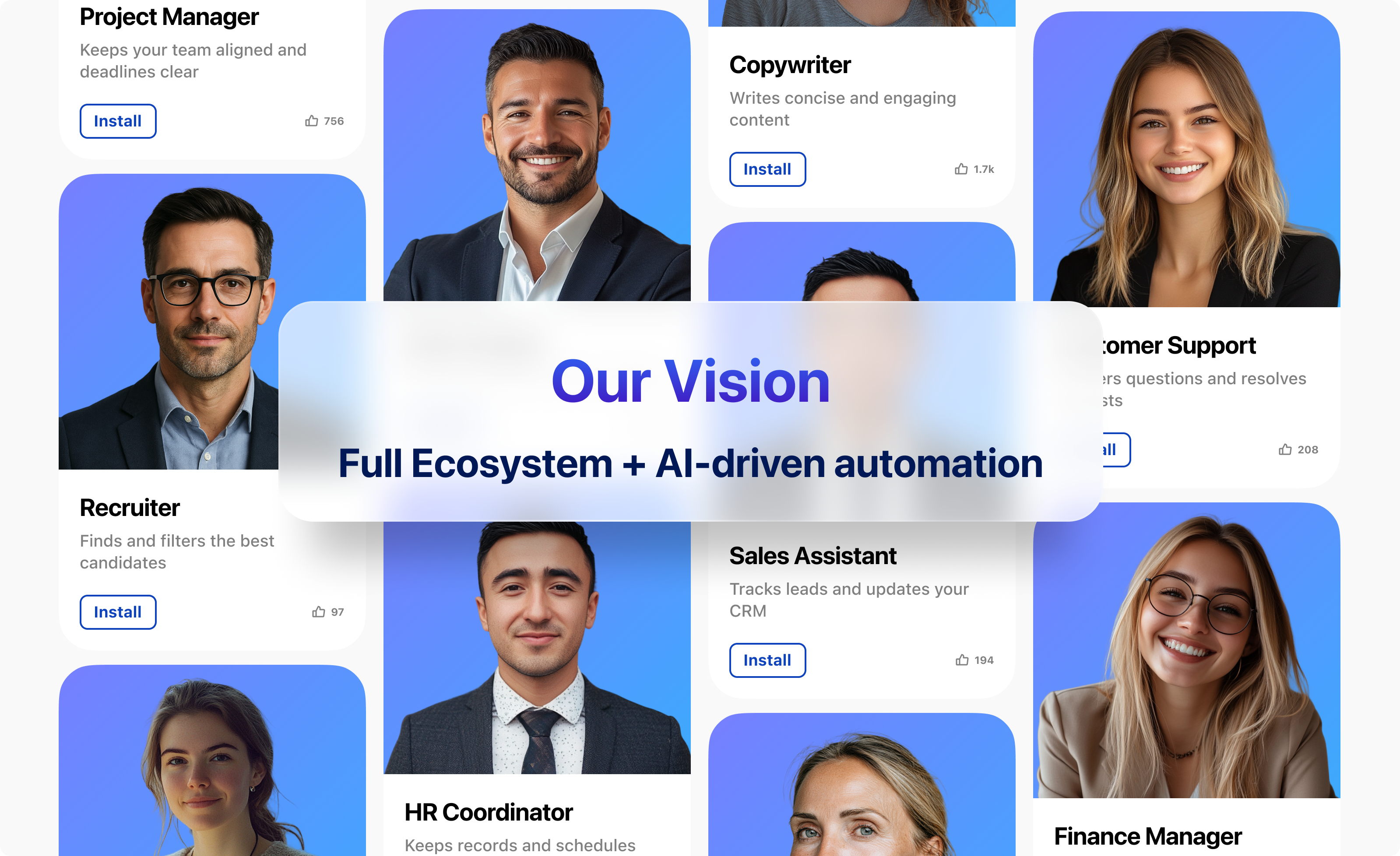
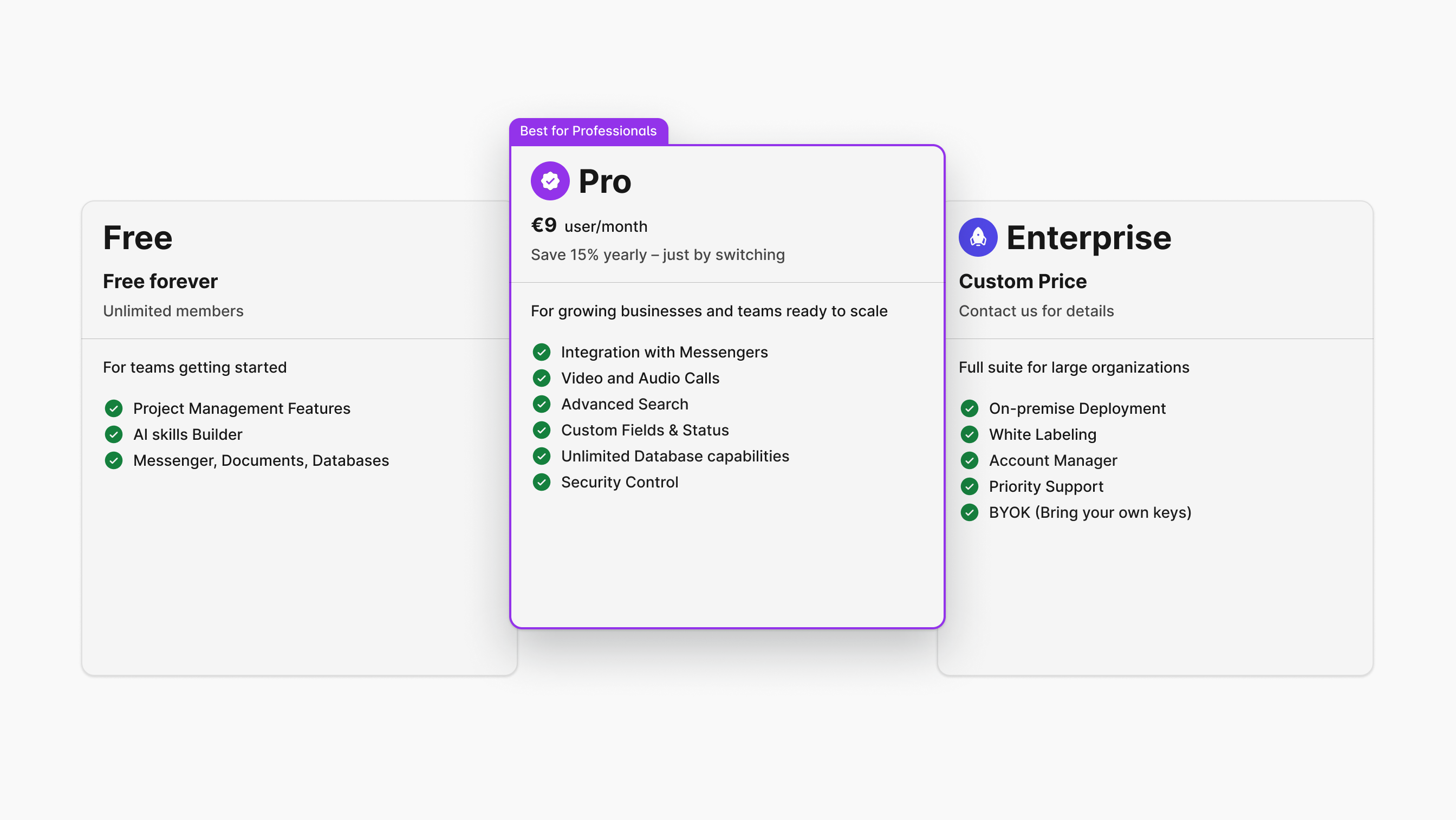
Where BridgeApp helps: BridgeApp addresses the root cause behind most of these pitfalls — fragmented tools. When digital communication, project management tools, knowledge sharing, and video calls all live in separate systems, remote team members lose context, miss updates, and feel less connected to the team's goals and company culture. BridgeApp's unified workspace keeps everything — conversations, tasks, documents, and decisions — in one place, so distributed and remote teams can work effectively without the coordination overhead that fragments remote work across all the tools.
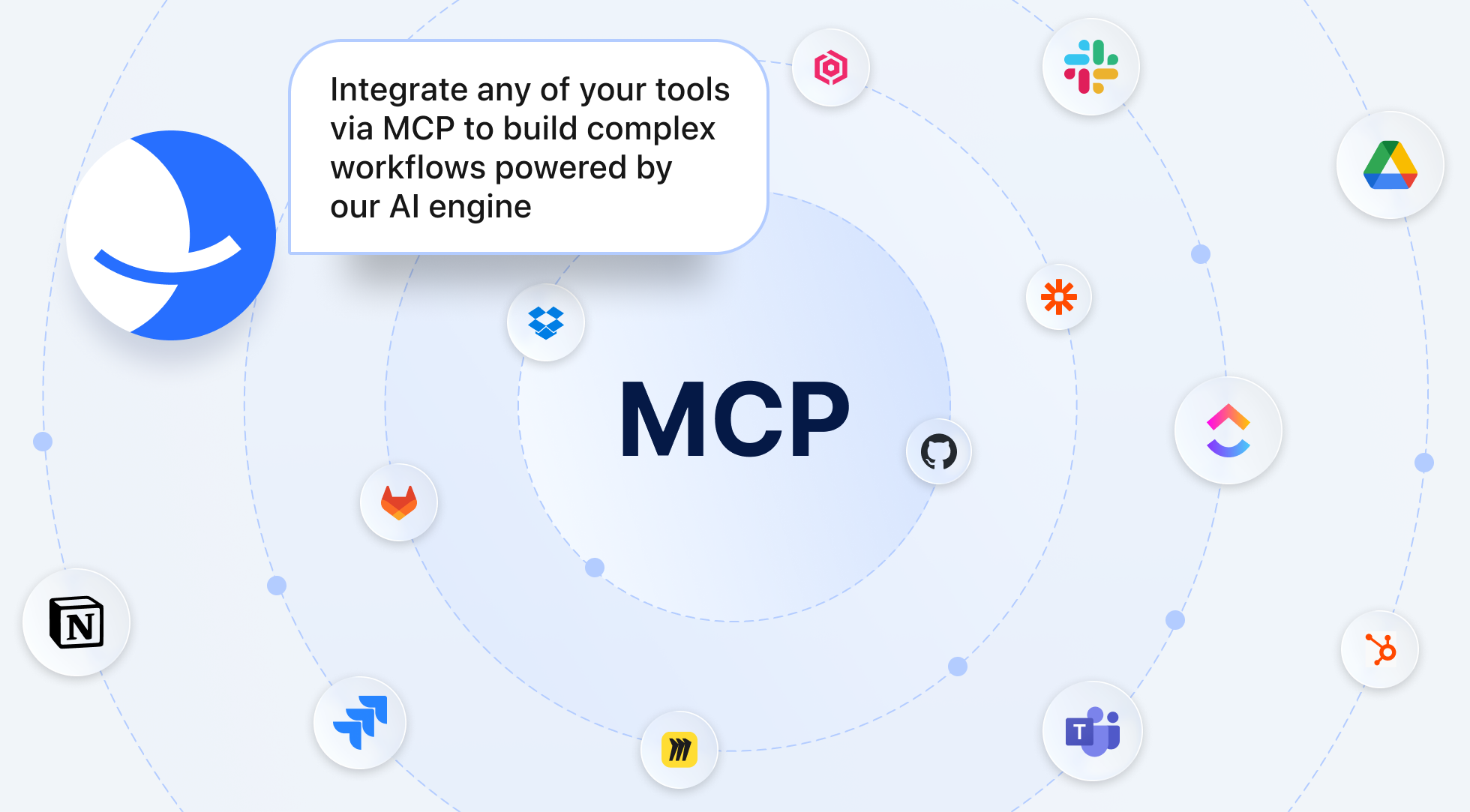
BridgeApp now natively speaks the universal language of the agentic era—Model Context Protocol (MCP). We’ve done away with the manual slog of building one-off integrations; now, you can link BridgeApp to thousands of external MCP servers at scale. This means instantly plugging ready-made third-party external modules—designed for highly specific tasks—directly into your ecosystem with zero overhead.
FAQs: Remote Teams
What are remote teams? Remote teams are groups of skilled employees who work remotely from different locations — often across different countries and time zones — using digital communication and project management tools to collaborate toward shared team goals. They differ from traditional teams in that no central office or physical office presence is required.
What do you call remote teams? Remote teams are also called distributed teams, virtual teams, geographically dispersed teams, or networked teams, depending on their structure. The key difference between remote teams and virtual teams is stability — remote employees typically share a long-term work environment, while virtual team members often form for specific projects.
How do remote teams work effectively? Successful remote teams combine structured digital communication rituals, clear team goals, strong project management tools, and intentional company culture investment. The right tools — particularly platforms that unify instant messaging, video conferencing, and knowledge sharing — are what separate remote teams that work effectively from those that struggle with time zone differences and communication gaps.
What are the biggest challenges for remote teams? Time zone differences, isolation among remote workers, cultural barriers across different countries, and maintaining company culture without face-to-face interactions are the most consistent challenges. Business leaders who address these proactively — through flexible work arrangements, regular video calls, and unified digital communication platforms — build significantly more successful remote teams.
How is a remote team different from a traditional team? A traditional team shares a single office, enabling spontaneous, informal conversations, ambient knowledge sharing, and natural company culture building. Distributed and remote teams must intentionally recreate all of these — through structured regular communication channel rituals, documented work processes, and deliberate investment in virtual work culture.
What tools do remote teams need? At minimum: communication tools for instant messaging and video calls, project management tools for tracking the team's goals, and a knowledge sharing platform for documentation. The strongest approach — used by increasingly successful remote teams in 2026 — is consolidating these into a single unified workspace like BridgeApp, which eliminates the context-switching and communication gaps that come from managing all the tools separately.