BlogProduct Updates
Why AI-Native Companies Move Faster?

Maria ZhuHead of content
10 min read
As we see, most companies today are still approaching AI the way they approached previous generations of enterprise software: as another tool to add to the stack.
A copilot for documents.
A chatbot for support.
A meeting assistant.
A coding agent for developers.
But a growing number of companies are moving in a different direction; instead of adapting AI to processes built before agents existed, they are redesigning the processes themselves around AI agents from the beginning. These companies are becoming AI-native.
What Makes a Company AI-Native?
The shift is already visible in enterprise research.
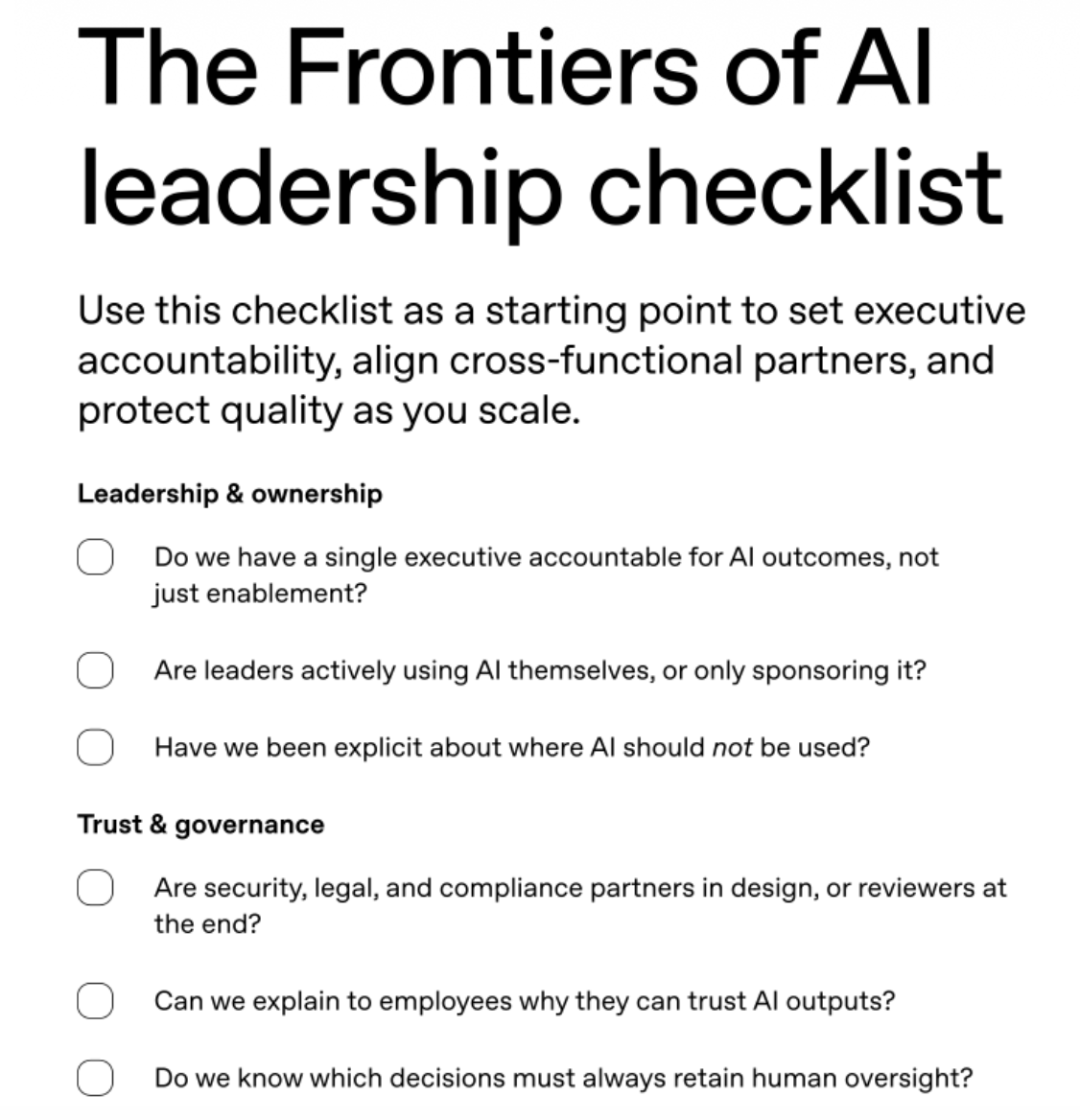
OpenAI’s 2026 guide on enterprise AI argues that the organizations pulling ahead are not treating AI as a simple tooling upgrade, but as an operating layer shaped around real workflows, trust, ownership, and quality. The same guide says the organizations that win with AI will not be the ones that tried it first, but the ones that “operationalized it best.”
“At OpenAI, our goal is simple: help organizations turn AI into measurable outcomes, guided by our north star of building the most capable AI technology that benefits everyone”. - Sanj Bhayro, Managing Director , EMEA, OpenAI
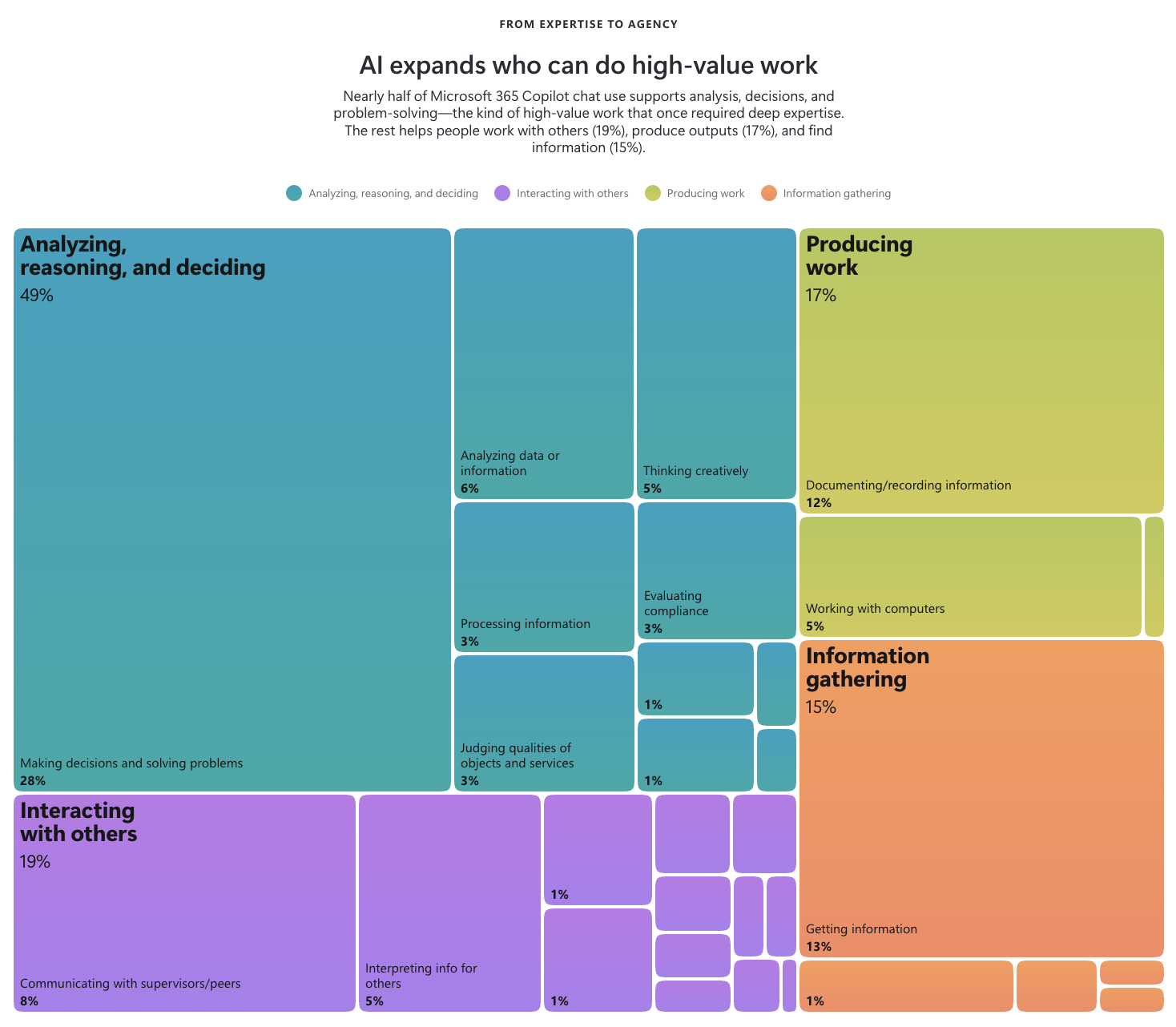
Microsoft’s 2026 Work Trend Index makes a similar point: people are often ready for AI, but the systems around them are not; the constraint is increasingly the gap between what employees can now do and what organizations are built to support.
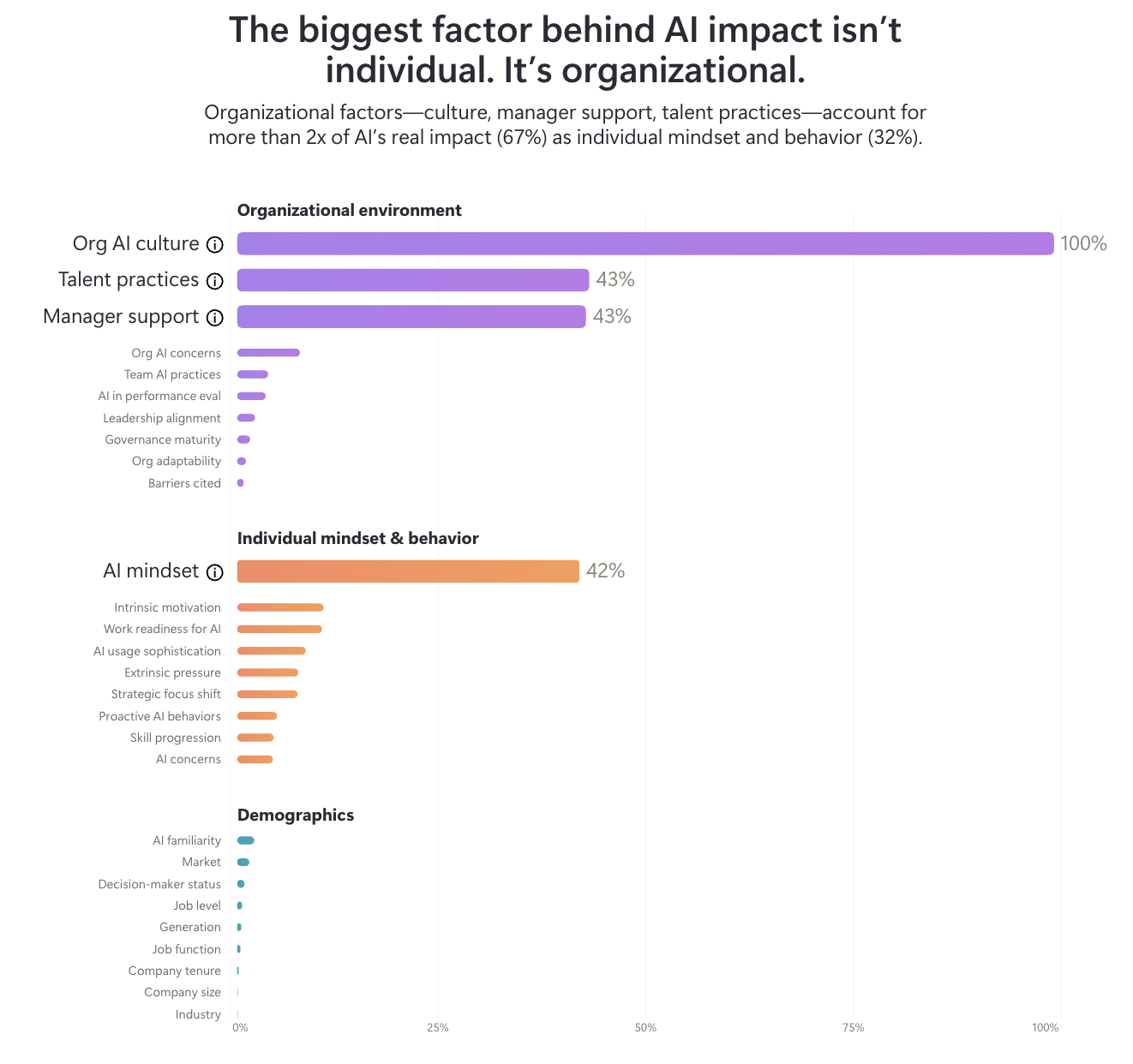
“The firms pulling ahead are focused on AI absorption rather than just AI adoption, redesigning how work gets done and turning output into insight. When that insight gets captured, shared, and built into how the organization operates, it creates a self-reinforcing Learning System.
Many leaders focus on hiring the right people and assume results will follow. But our data shows that it’s something else: the conditions leaders create for that talent to thrive.”
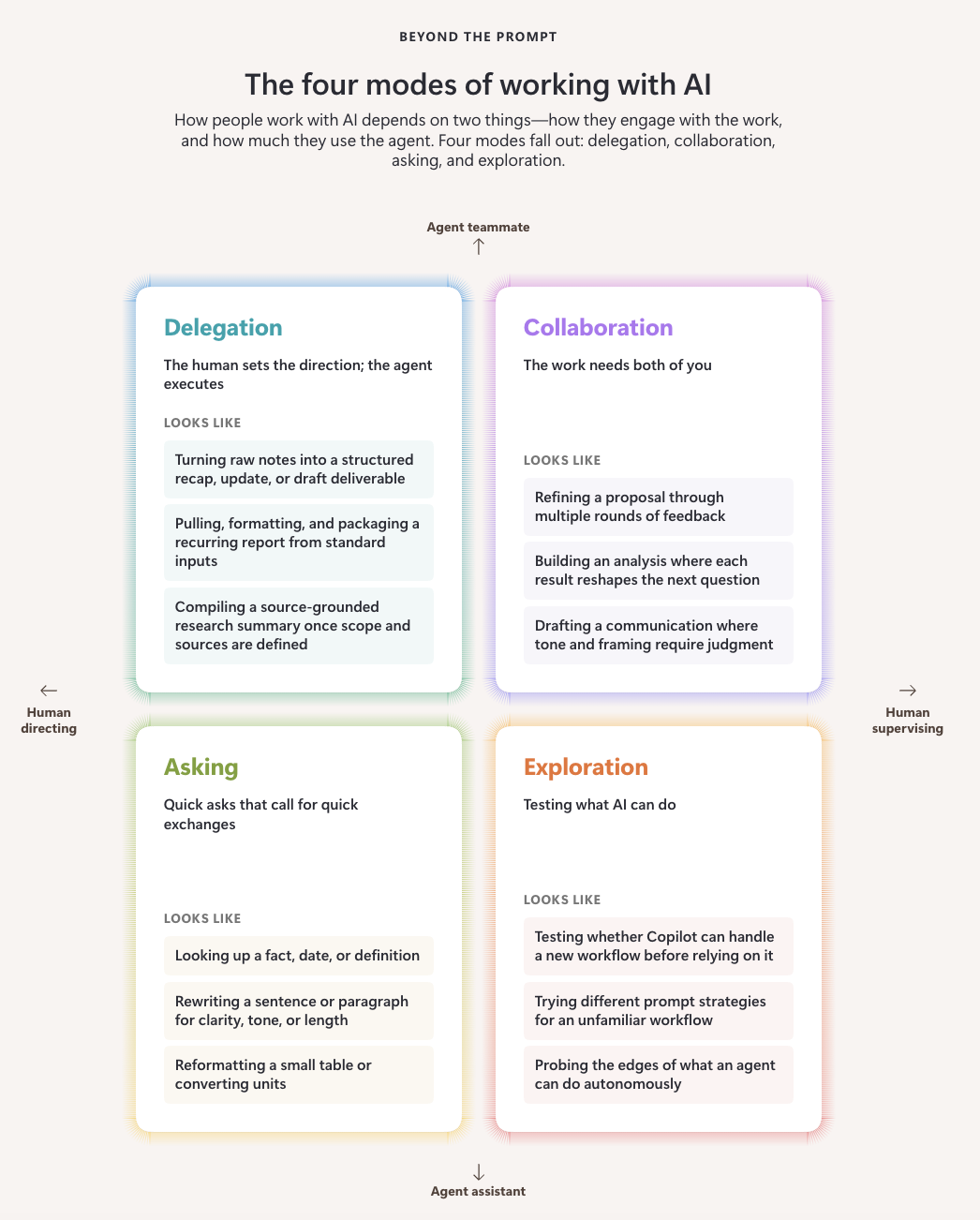
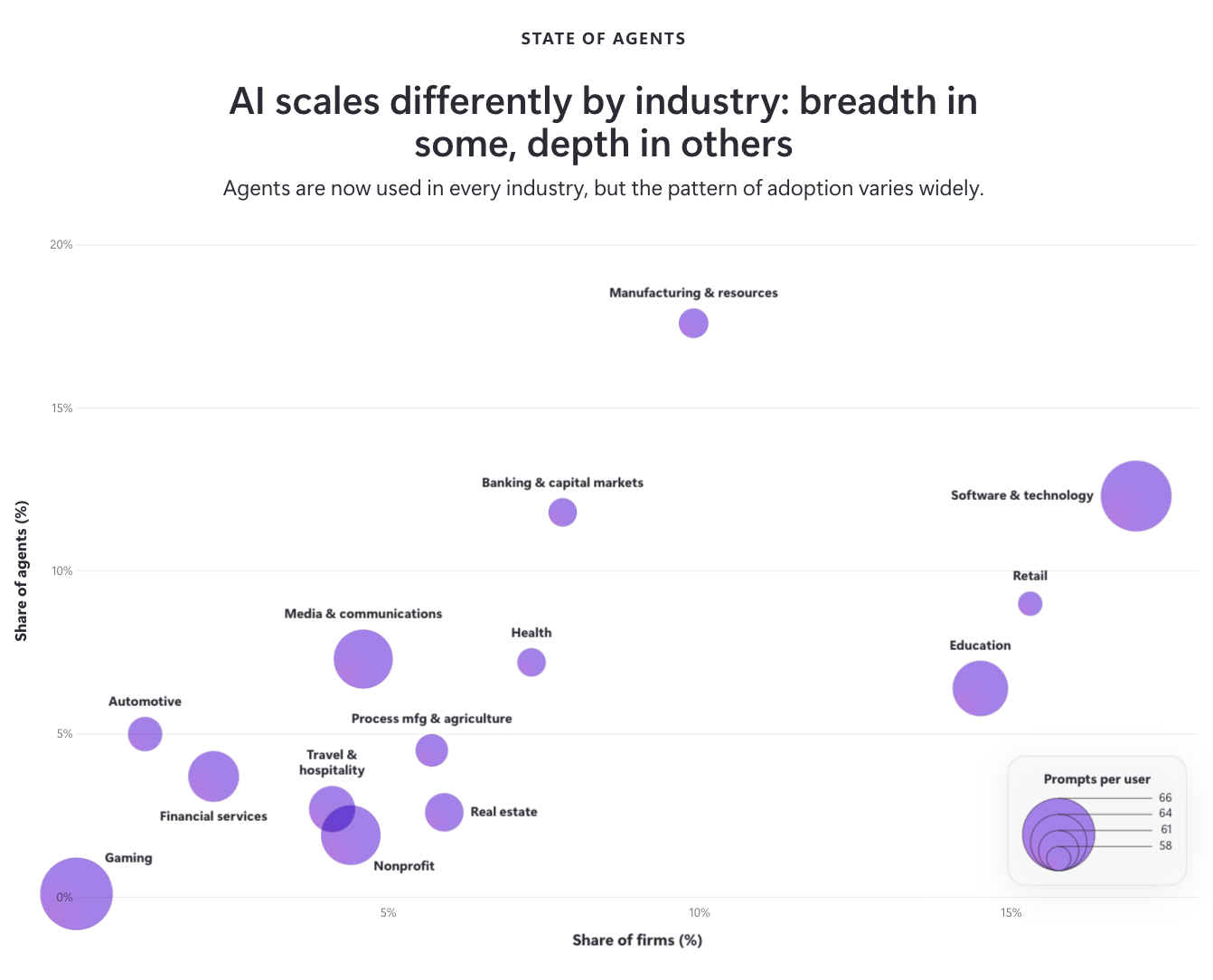
Deloitte’s 2026 State of AI in the Enterprise report gives the split in clearer numbers: 34% of surveyed organizations are using AI to deeply transform products, services, processes, or business models; 30% are redesigning key processes around AI; and 37% are still using AI at a more surface level with little or no change to existing processes.
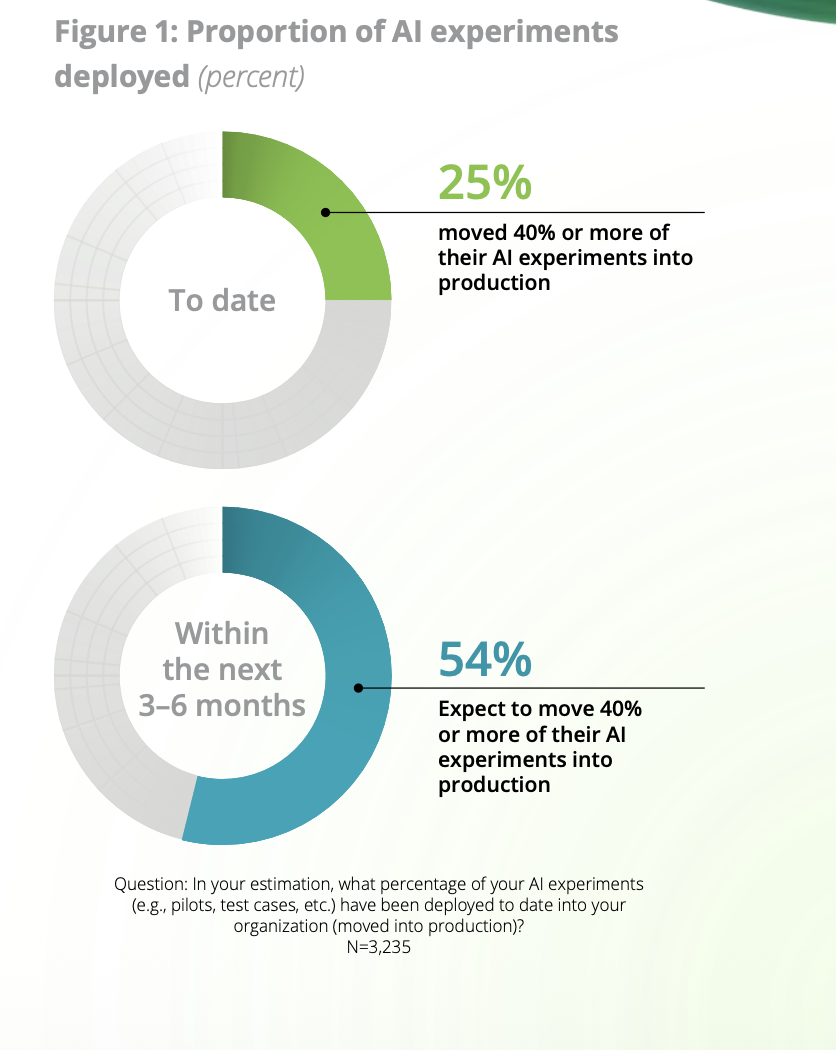
“AI is moving from the pilot and experimentation phase to enterprise scaling as worker access to AI expands“
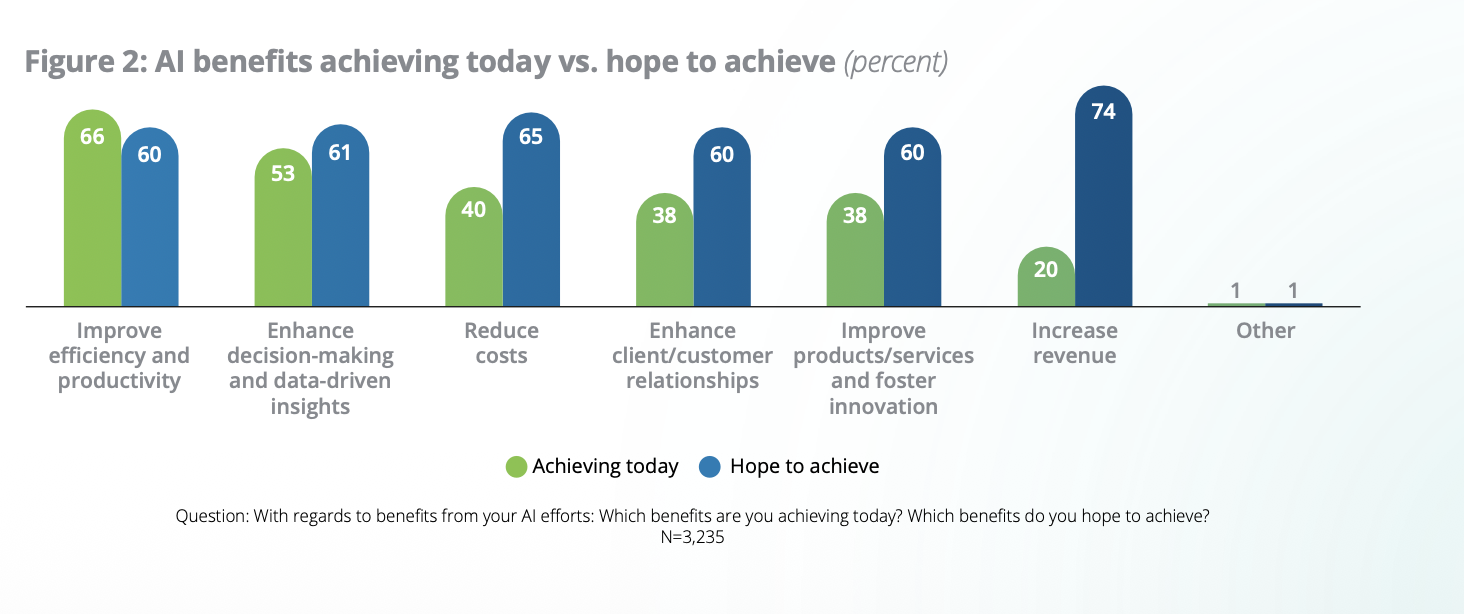
Google Cloud’s 2026 AI agent trends report describes the same shift from another angle: AI agents are moving beyond chatbots toward systems that can understand goals, develop multi-step plans, and act under human guidance and oversight.
Enterprise AI Is Moving From Tools to Operating Models
This is the difference between using AI and operating as an AI-native company. AI-native transformation rarely happens in one dramatic moment. It usually starts with small operational changes that look tactical at first, then gradually reshape how the company works.
An AI agent starts joining meetings. At first, it may seem like a better note-taker: it records the discussion, creates a summary, and captures action items. But in an AI-native workflow, the agent does more than summarize. It identifies decisions, assigns owners, creates follow-up tasks, links the meeting outcome to the relevant project, and updates documentation without waiting for a human to manually copy information between tools. After a few months, the team realizes that an entire layer of coordination work has disappeared. The meeting is no longer an isolated conversation; it becomes part of the company’s operational memory.
Reporting changes next. In "traditional" enterprise workflows, managers and senior specialists still spend hours assembling weekly updates, executive summaries, project reports, customer status notes, and internal performance reviews. They pull information from chats, task trackers, spreadsheets, CRM systems, support tools, and documents, then manually turn that fragmented context into a narrative. In an AI-native environment, reports increasingly generate themselves from live operational signals. The human role shifts from collecting information to validating the story, checking risks, and making decisions. This is a much better use of senior time, because experienced employees were hired for judgment, not for copying updates across systems.
Onboarding changes as well. In many companies, onboarding still means reading static documentation, asking colleagues repetitive questions, and slowly learning where information lives. An AI-native onboarding process works differently. A new employee can interact with an agent who already understands the company structure, internal processes, product context, team rituals, active projects, and previous decisions. Instead of receiving a large knowledge base on day one, the employee gets contextual answers at the moment of work. Onboarding becomes less like reading a manual and more like entering a workspace that can explain itself.
Incoming requests also become easier to manage. In traditional workflows, someone has to read every ticket, message, form submission, customer request, internal approval, or operational issue and decide where it belongs. That creates latency, especially in large organizations where routing depends on department, urgency, permissions, customer tier, technical context, and historical precedent.
AI-native systems can classify requests, detect priority, connect them to similar past cases, identify the right owner, and prepare the first recommended action. In simple cases, the request can move forward automatically. In complex cases, the human receives a prepared decision package instead of a blank queue.
Why AI Automation for Development Teams Is Moving Beyond Code Generation
Development teams feel the shift especially early. The first generation of AI coding tools focused on generating snippets of code, but AI automation for development teams is now moving toward the whole software delivery lifecycle. Agents can help interpret a task, understand the architecture, generate implementation plans, write boilerplate, update documentation, prepare tests, create pull requests, and flag risky changes for review. Developers spend less time on repetitive implementation and more time on architecture, validation, testing strategy, governance, and system design. The Real Bottleneck: AI Agents Need Context Tools like Claude Code accelerated this transition by showing that coding agents can participate in real development workflows, not only isolated prompt-to-code sessions. But the deeper opportunity is not just faster code generation; it is end-to-end development automation with context. This is where many enterprises encounter a hard limit. Most AI failures are not intelligence failures. They are context failures.
An AI assistant that sees only one repository, one document, one ticket, or one conversation cannot understand how a company actually operates. It does not know why a decision was made three weeks ago. It cannot connect a roadmap discussion to an implementation tradeoff. It cannot see dependencies between customer requests, internal approvals, documentation, code, deployment timelines, and team priorities. This is exactly the problem BridgeApp is designed to solve.
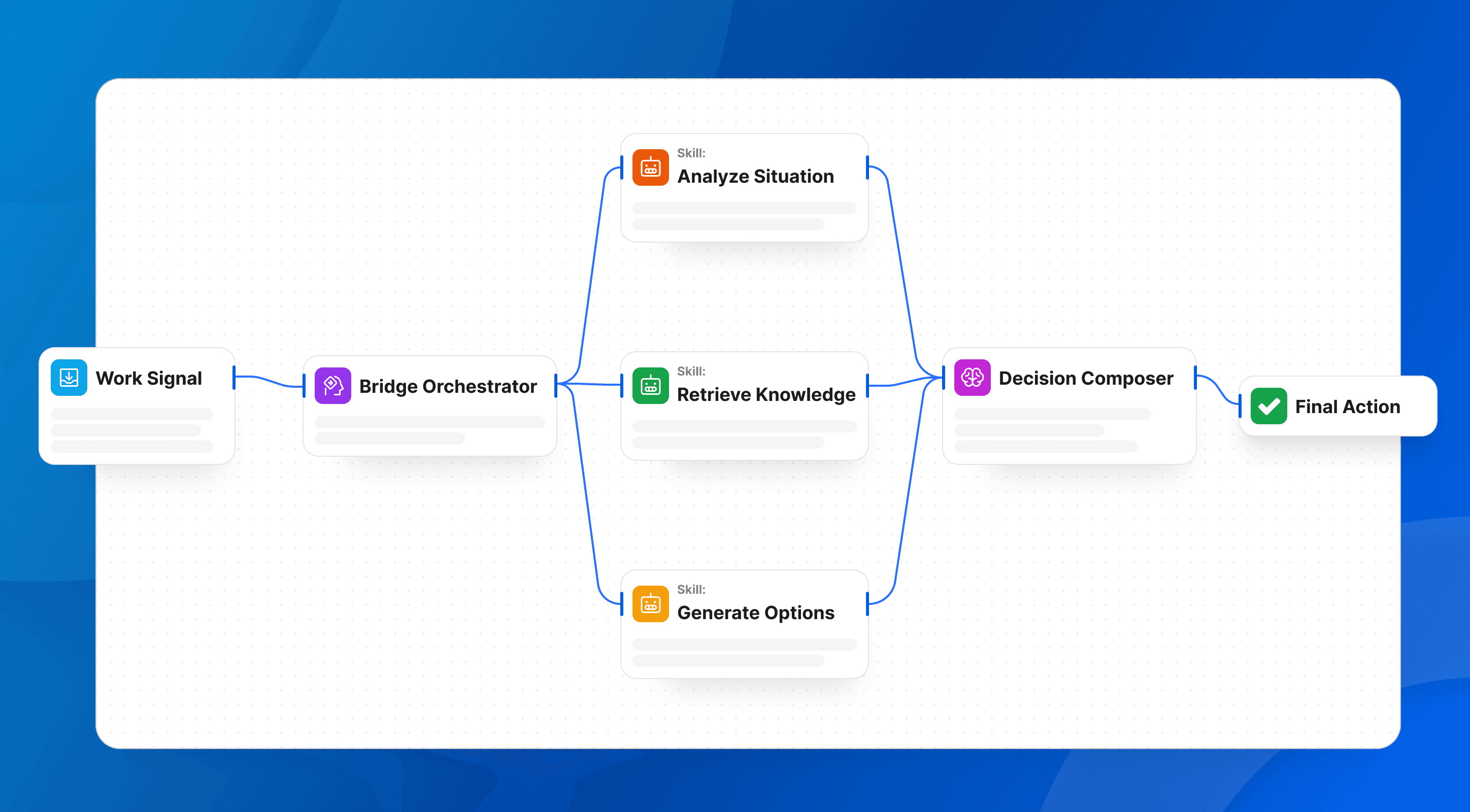
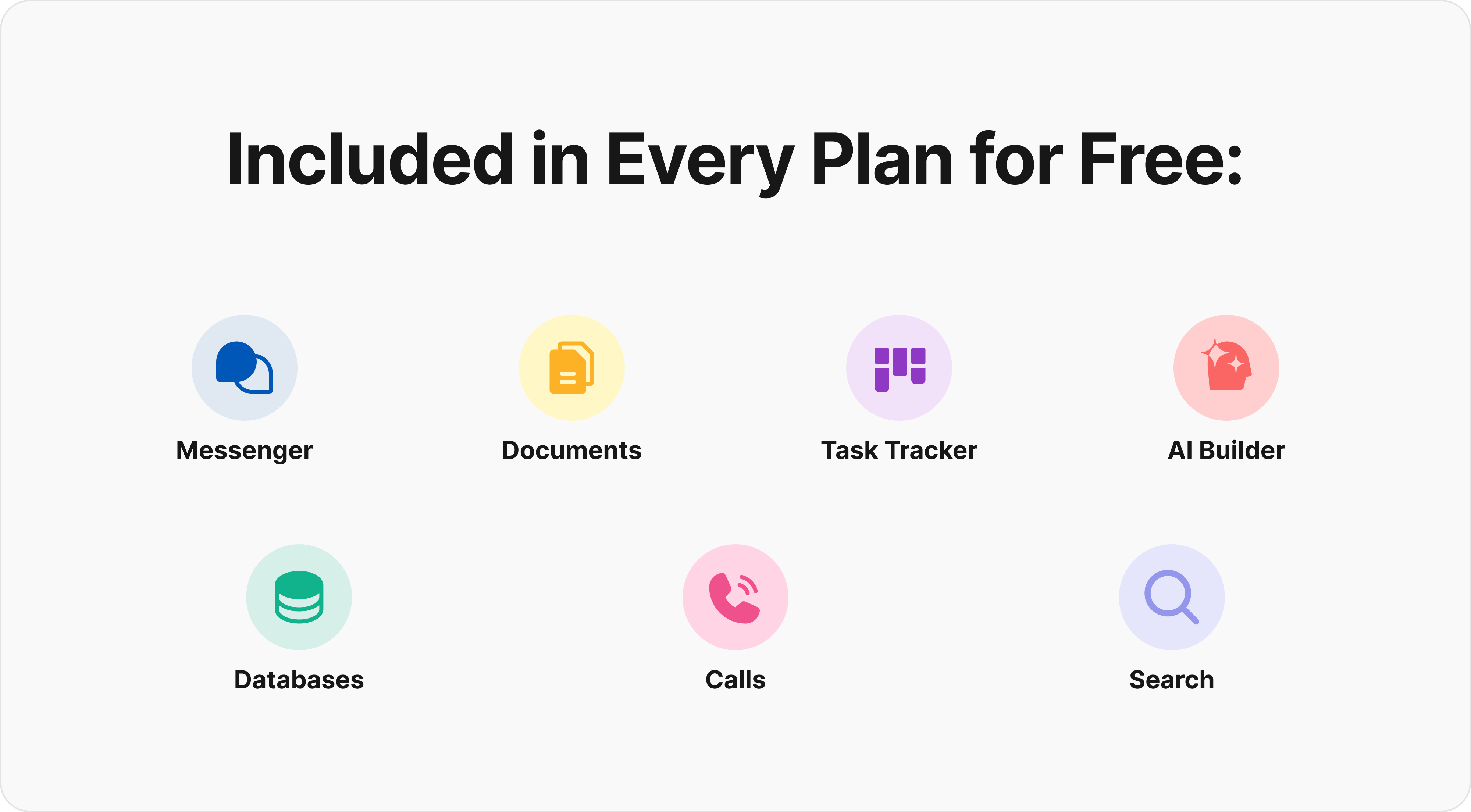
BridgeApp is an AI-native smart workspace where chats, tasks, documents, databases, calls, workflows, and AI agents live inside one operational environment. Instead of attaching AI to disconnected tools, BridgeApp gives agents access to the shared context of the workspace itself. That means an agent can work not only from a prompt, but from the actual operational memory of the team: discussions, decisions, tasks, docs, databases, permissions, and workflows.
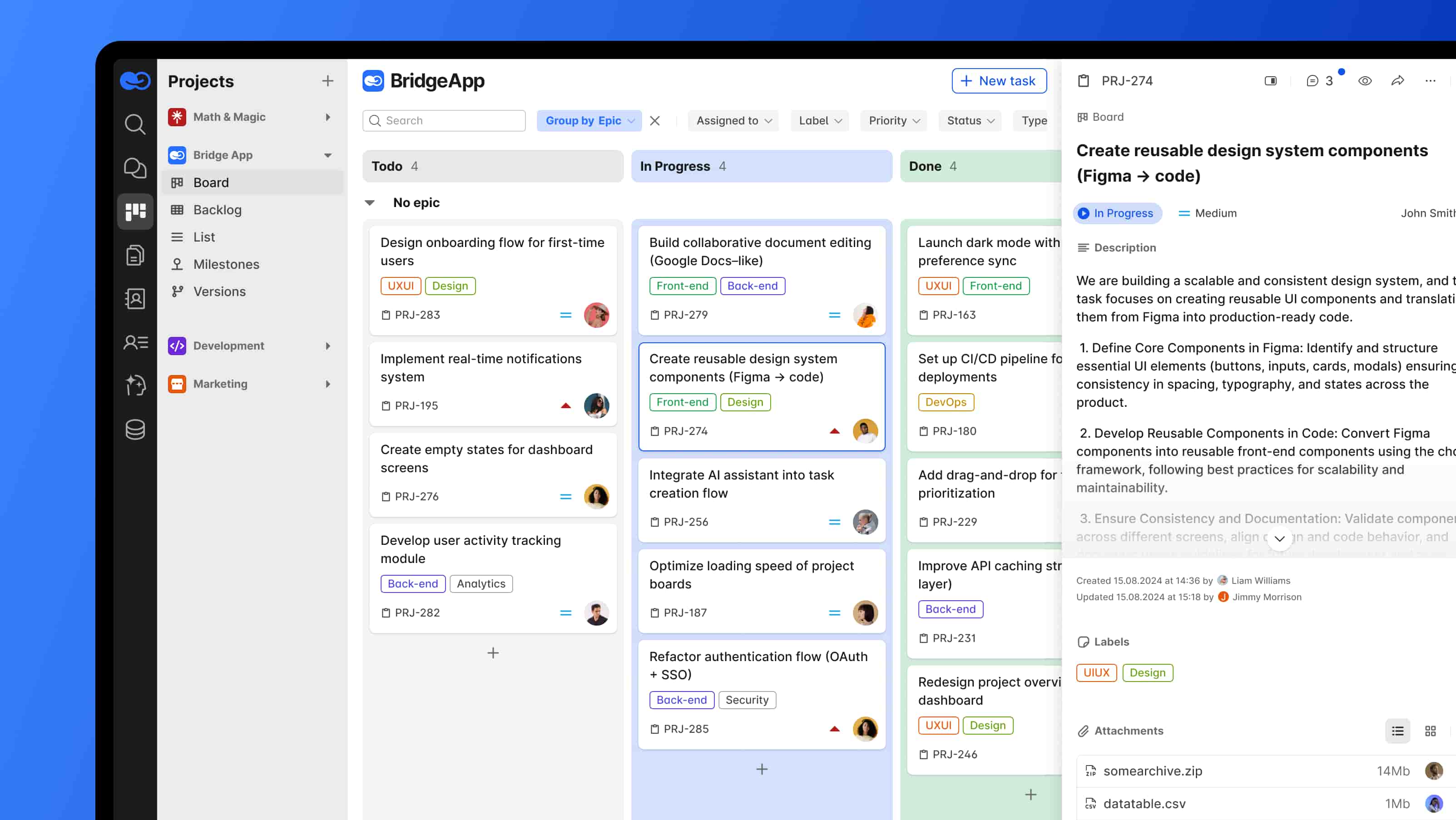
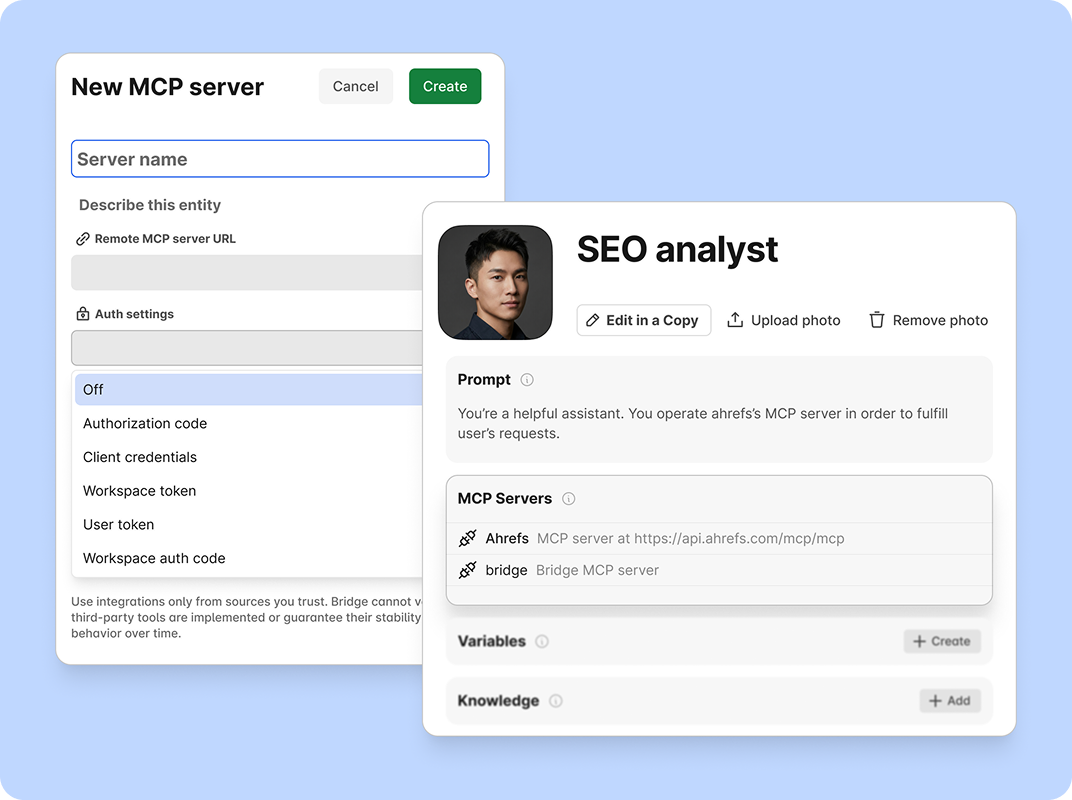
For enterprise companies, this matters because the real cost of fragmented tooling is not only subscription spend. It is the cost of a fragmented context. Every disconnected system creates another place where decisions can disappear, approvals can stall, documentation can go stale, and AI can lose the thread. In a regulated or large-scale environment, that becomes a governance issue as much as a productivity issue. The question is no longer “Which AI tool should we add?” The better question is: “Where should AI live so it can safely understand the work?”
Inside BridgeApp, teams can create not only engineering agents, but any custom AI agent or skill for their operational needs:
- A product team can build an agent that turns customer feedback into structured feature requests.
- A marketing team can create skills for automated posting and commenting workflows, campaign reporting, content repurposing, and approval routing.
- A support team can build an agent that classifies incoming requests and connects them to previous cases.
- An operations team can automate onboarding, internal reporting, database updates, and recurring administrative workflows.
- A development team can connect tasks, documentation, code context, testing flows, and review processes into one end-to-end AI-powered development workflow.
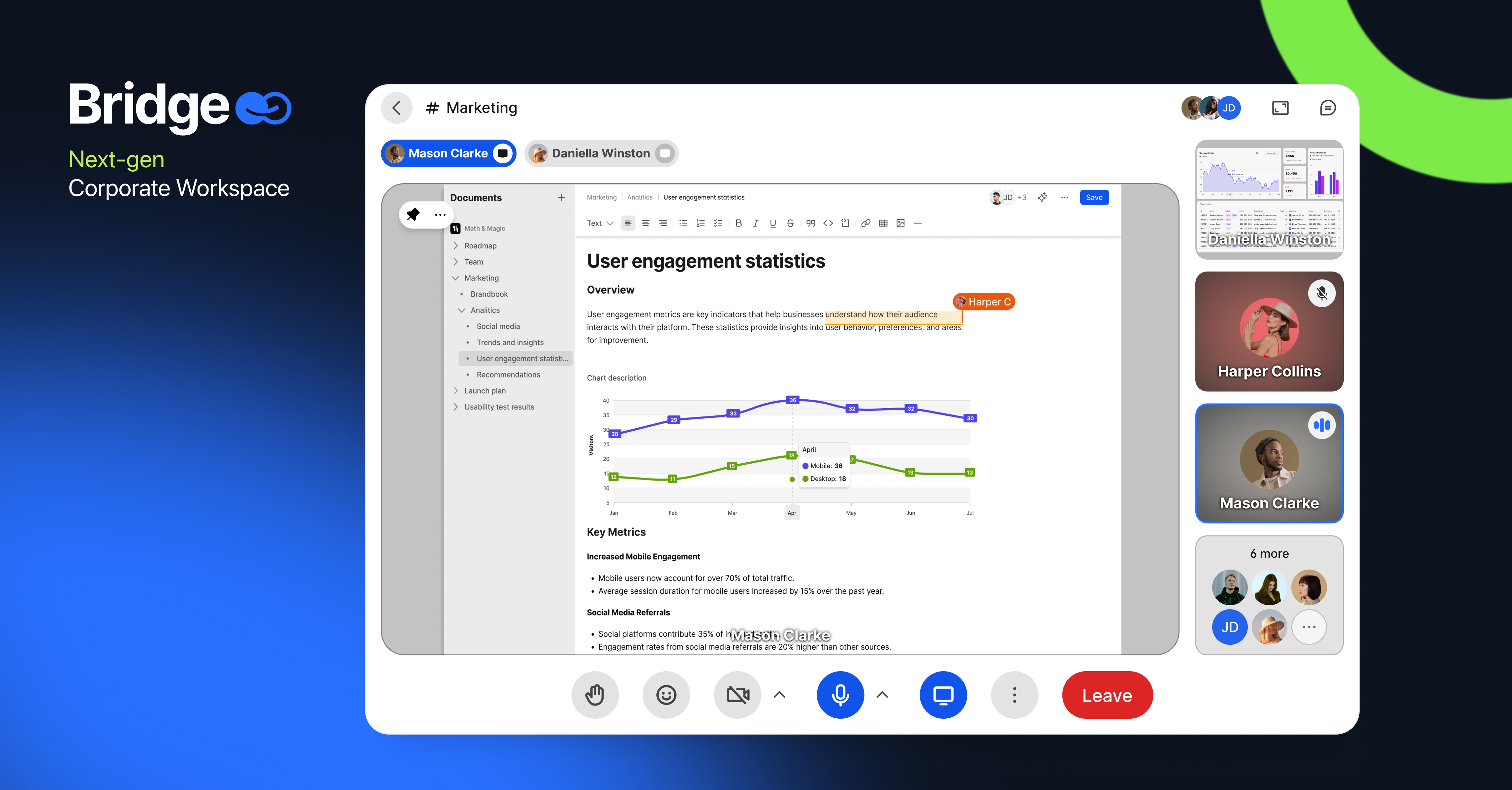
This is where the idea of a smart workspace becomes different from a normal productivity suite. A traditional workspace stores work. A smart workspace understands relationships between work. It knows that a message can become a task, a task can require documentation, a document can define a process, a process can trigger an automation, and an agent can operate across all of it.
AI Adoption Is Not Access — It’s Habit Formation
Andreessen Horowitz has written about retention in AI-native products through the lens of fast access to core product value, onboarding that gets users to an “aha moment,” smart notifications, and repeated engagement. The enterprise version of this idea is simple: employees need to experience the value of AI agents quickly, repeatedly, and inside the flow of real work.
For a smart workspace, the “aha moment” is not opening a chatbot. It is seeing a meeting turn into tasks, documentation, owners, and next steps without manual coordination. It is watching an incoming request get classified, routed, and prepared with the right historical context. It is asking a workspace agent a question and getting an answer that reflects the company’s actual chats, documents, tasks, and databases — not a generic response from an isolated model.
This is why onboarding matters so much for AI-native operations. A company should not simply announce that employees now have access to AI tools. It should help every team build or adopt its first useful workflow: a reporting skill, a request-routing agent, a development automation flow, a customer feedback classifier, or a posting and commenting automation. Once employees see one real workflow save time, the behavior starts to compound.
The same applies to notifications and summaries. In traditional software, notifications often become noise. In an AI-native workspace, they should become contextual signals: an agent flags a blocked decision, summarizes what changed in a project, highlights a risky pull request, or prepares a weekly operational recap for a manager. The value is not the notification itself. The value is that the system knows what matters in the context of the work.
That is also why AI literacy is becoming an operational skill, not a niche technical skill.
Geoff Charles, CPO at Ramp, has been widely discussed for sharing Ramp’s AI-native operating approach, including an L0–L3 framework for evaluating how employees build with AI. In Peter Yang’s 2026 episode summary, Ramp’s approach is described as moving from basic AI usage toward employees building production workflows with AI; the episode also references Ramp’s internal agents for customer research, data analysis, and Claude Code-powered product work.
The important idea is not that every employee becomes a software engineer. The point is that every employee starts learning how to turn repeated work into reusable AI workflows. AI proficiency becomes less about knowing how to write a clever prompt and more about knowing how to build, test, improve, and share operational systems.
In BridgeApp, this becomes a practical product pattern rather than an abstract AI strategy. When a team builds a useful automation — for example, request triage, campaign reporting, onboarding updates, customer feedback processing, or approval routing — it can become part of the company’s operating system instead of remaining a one-off experiment.
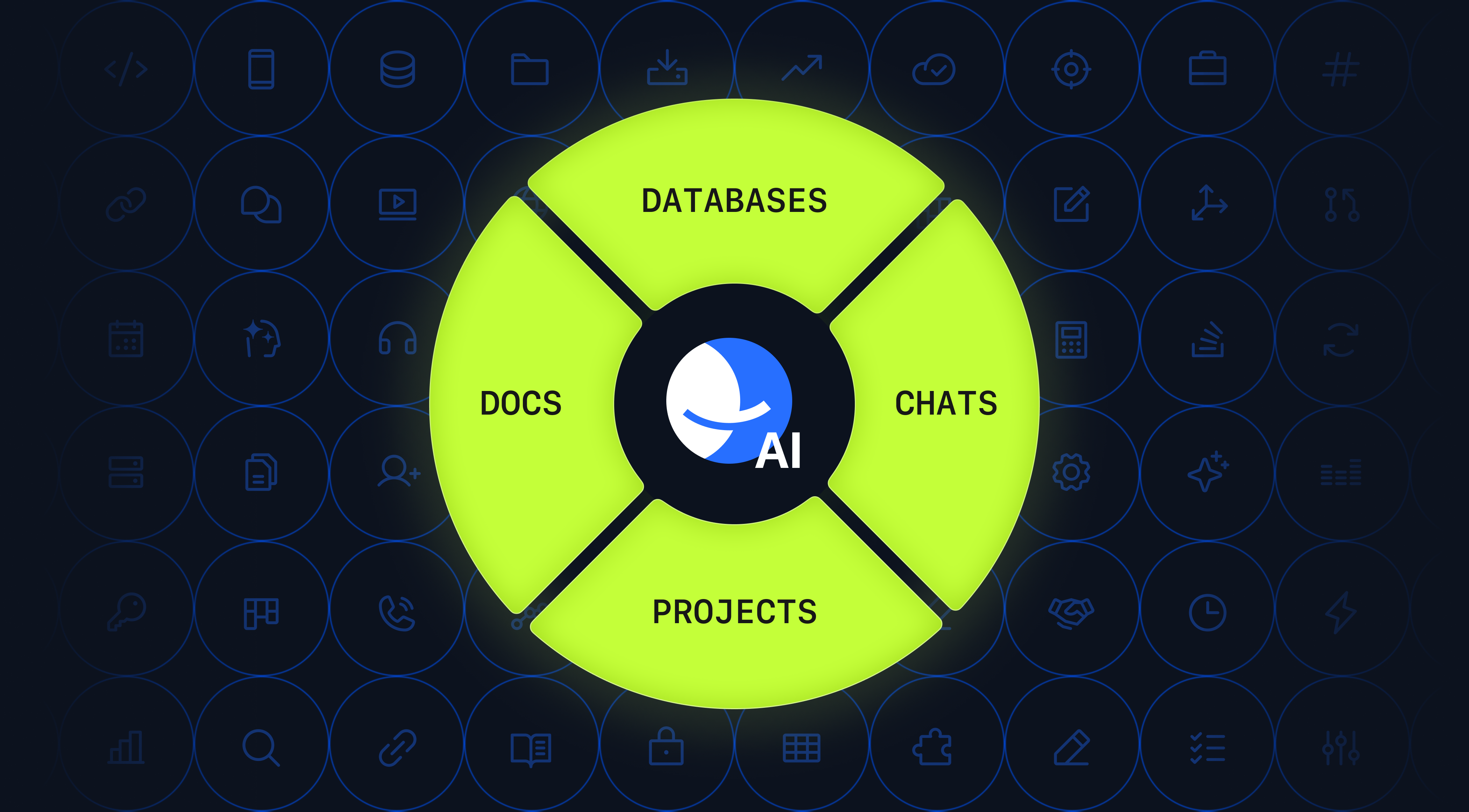
The value is not simply that one employee saves time. The value is that repeatable work becomes structured, governed, and easier to scale across the workspace. Teams can keep improving the workflow over time, while BridgeApp keeps the context connected across chats, tasks, documents, databases, and permissions.
There is also a growing argument that companies should reduce friction around AI access. Some operators argue that AI adoption slows down when every model, connector, token budget, and tool request has to pass through a slow procurement process. The enterprise version of broader AI access does not mean removing governance. It means building a controlled environment where experimentation is easy, successful skills can be reused, and risk is managed through permissions, auditability, and workflow design.
The New Work: Managing AI Agents, Skills, and Systems
This changes the work itself.
In practice, this changes what people spend their time on. Managers review AI-prepared reports instead of assembling every update manually. Product teams work with structured customer feedback instead of sorting through scattered notes. Operations teams focus on exceptions, approvals, and process design instead of routing every routine request by hand.
The role of the human does not disappear. It moves closer to judgment: deciding what should be automated, where control is needed, and how much trust each workflow deserves.
This also changes how teams improve their systems. When an automation produces the wrong outcome, the question is rarely just whether the model was “smart enough.” The team needs to check the surrounding context: which data the agent could access, which permissions were applied, which source of truth was outdated, and where the workflow needed human review.
Over time, AI operations become less about isolated prompts and more about maintaining reliable workflows. Teams refine inputs, approval steps, knowledge sources, and escalation rules so agents can support the work without becoming a black box.
This is the real meaning of AI-native work.
It is not about replacing people with agents. It is about moving people away from repetitive coordination and toward judgment, design, validation, and governance. As AI accelerates execution, human value moves upward: toward deciding what should be built, what should be trusted, what should be tested, and what should remain under human control.
The companies gaining the largest advantage from AI are not necessarily the ones buying the largest number of AI tools. They are the ones rebuilding their operating model around AI from the beginning. And that difference is becoming harder to ignore every quarter.