BlogHow-To Guides
Code Quality: Metrics, Practices, and Tools for Sustainable Software in 2026

BridgeApp Team
14 min read
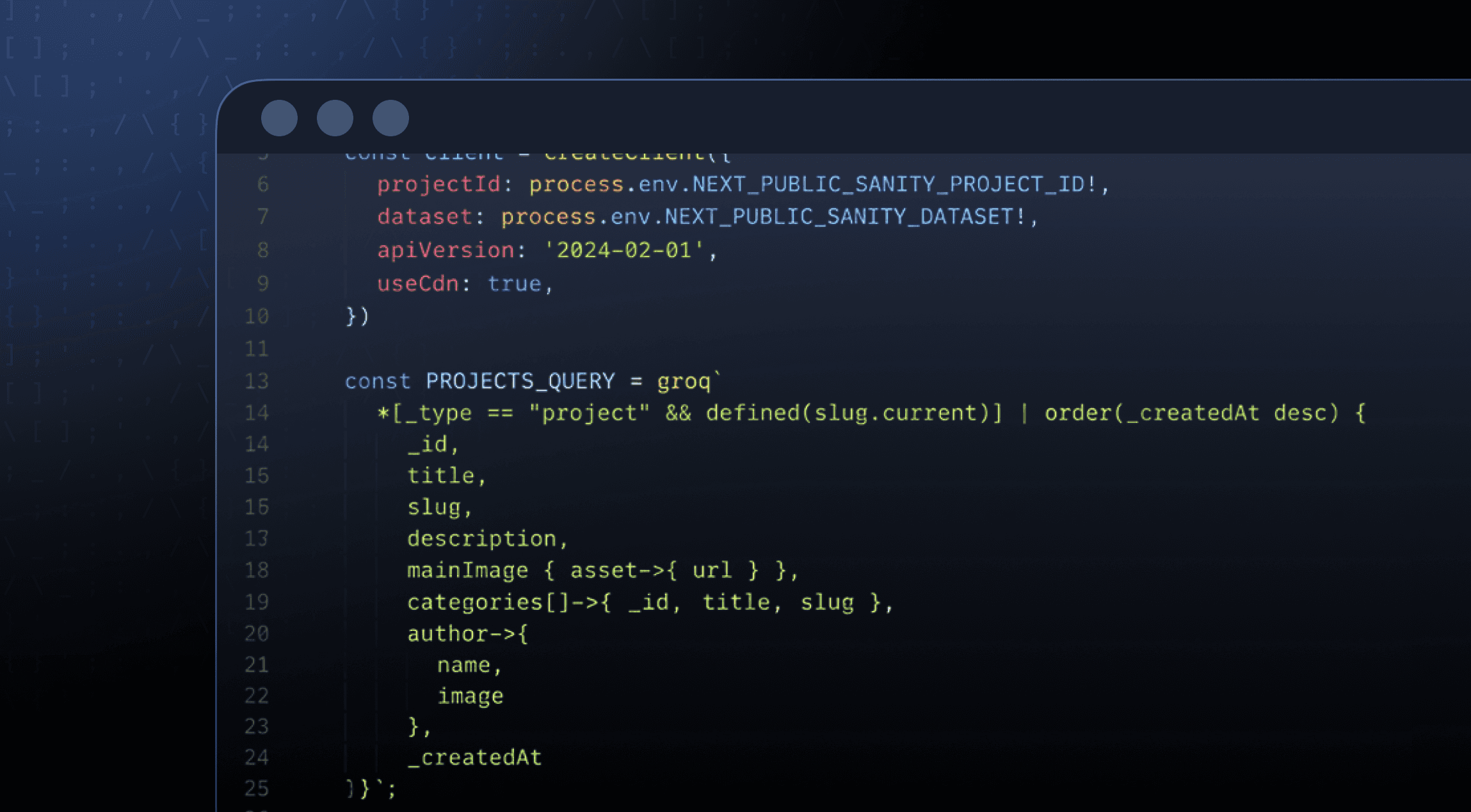
Every development team writes code that works. Fewer write code that stays working, remains understandable, and can be changed safely a year from now. In 2026, with AI-assisted coding accelerating output and microservices multiplying complexity, the gap between "it compiles" and genuinely sustainable software has never been wider. This guide walks through how to define, measure, and improve code quality using the metrics, tools, and human practices that matter right now.
Core Insights
- Code quality refers to far more than passing tests. It includes readability, maintainability, reliability, security, and performance, aligned with standards like ISO/IEC 25010.
- Bad code rapidly creates technical debt, while clean code with low code complexity and strong tests lowers long-term costs and speeds up delivery.
- Code quality metrics such as cyclomatic complexity, code coverage, defect density, and technical debt ratio are essential for tracking improvements across development teams and time.
- Modern code quality tools, static code analysis, and ci cd pipelines (GitHub Actions, GitLab CI, Jenkins, Azure DevOps) enable continuous, automated quality checks throughout the software development lifecycle.
- Code reviews, well-defined coding standards, and a culture of continuous improvement are as important as any tool for maintaining high code quality.
BridgeApp and Magic Coder by BridgeApp help teams keep quality metrics, debt registers, and review standards visible alongside the code itself, and automate parts of safe refactoring across real repositories.
What Is Code Quality in 2026?
Code quality is the degree to which source code is correct, clear, maintainable, secure, and performant. In a world where AI generates chunks of code in seconds and a single software project might span dozens of microservices, the bar has shifted. Code must not only fulfill its intended function today but remain understandable and safe to modify years later.
The difference between "code that works" and high quality code is durability. Working code might pass current specs. Quality code survives team turnover, scaling pressure, and evolving requirements without collapsing under its own weight.
Key attributes include code clarity, low code complexity, predictability, testability, code reusability, and adherence to explicit coding standards. These map closely to the ISO/IEC 25010:2023 quality model, which defines characteristics like maintainability, reliability, security, and performance efficiency.
Consider a payment service: high code quality means transaction validation is modular, separated from persistence and notification logic, with comprehensive unit tests and predictable latency. Contrast this with legacy code that mixes validation, database queries, and UI rendering in massive classes with sparse testing. In a healthcare API, low-quality code might mishandle nulls, skip input validation, or serialize medical data inconsistently, exposing both security vulnerabilities and compliance risk.
Why Code Quality Is Important
In 2026, accelerated release schedules and widespread AI code generation have raised the stakes. Poor quality code no longer just causes slow fixes. It leads to production outages, regulatory exposure, and security breaches. A Faros report analyzing data from over 4,000 teams found that while AI use increased task completion per developer by 34%, bugs per developer rose 54%, incident-to-pull-request ratios tripled, and review times increased five-fold.
Low quality code leads directly to higher costs. Every change in tangled, poorly documented modules requires reverse-engineering behavior. Onboarding slows. Bug density climbs. The development process grinds. In business terms, technical debt accumulates, slowing feature delivery and reducing ROI.
For critical systems in finance, healthcare, or automotive, code quality important enough to affect certification. Missing error handling or input validation can violate GDPR or HIPAA. Unreliable code in medical devices or autonomous vehicles threatens safety.
High code quality supports scalability. As user bases grow and development teams expand, modular, well-tested, maintainable code ensures that adding new features or scaling systems carries less risk. Performance and reliability derive not just from hardware but from design: avoiding N+1 queries or unbounded loops matters far more under load.
Core Dimensions of Code Quality
These dimensions are interconnected. Code readability improves code maintainability. Lower complexity improves testability. But each should be evaluated on its own terms and tied to specific metrics and practices.
Readability and Code Clarity
Other developers, including future you, are the primary audience of your code. Naming conventions (camelCase, PascalCase, snake_case depending on language), small focused functions, consistent formatting, and minimal nesting are the main levers of code readability.
Comments and docstrings should explain why, not what. Well-written code makes the "what" obvious. Outdated comments are worse than none because they actively mislead.
Clear code lowers onboarding time and makes regular code reviews faster. A Python function with 100 lines, nested loops, and embedded SQL strings versus the same logic refactored into small repository-pattern classes with descriptive names produces measurably shorter review cycles and fewer incidents.
Maintainability
Maintainability measures how easy it is to understand, change, and extend existing code without breaking what already works. It depends on modular architecture, separation of concerns, small cohesive modules, and limited coupling.
Excessive lines of code in single files, tangled dependencies, and missing tests make code far harder to maintain. Metrics like the Maintainability Index, code churn, and technical debt ratio help identify hotspots. In large codebases (monoliths with millions of LOC, microservice fleets), maintainable code directly speeds incident response and feature delivery.
Reliability
Reliability is the code's ability to function correctly and consistently under both normal and unexpected conditions. Defensive programming, input validation, and robust error handling are essential for reliable code in production systems.
Key metrics include defect density (bugs per KLOC), mean time between failures (MTBF), and production bug counts per release. For payment systems, even relatively low defect density can be unacceptable. Canary releases and feature flags help validate reliability in modern delivery by exposing code changes to real traffic incrementally.
Performance and Efficiency
Performance covers response time, throughput, and resource usage (CPU, memory, network, storage). Common causes of inefficiency include duplicated code logic, N+1 queries, unbounded loops, and unnecessary complexity.
Trade-offs matter: performance optimizations should not destroy code clarity without clear justification. Measure using concrete indicators like p95 latency, requests per second, and memory footprint rather than vague claims. Tie performance checks to profiling tools and load testing, not intuition.
Testability
Testability is how easy it is to verify that code works via automated tests: unit tests, integration tests, and end to end tests. High code complexity, tight coupling, and heavy reliance on global state make testing difficult or brittle.
Cyclomatic complexity and cognitive complexity gauge how many test cases and how much mental effort are needed. Patterns that improve testability include dependency injection, explicit interfaces, and clear boundaries between pure code logic and I/O. CI/CD success depends on fast, reliable automated tests.
Portability
Portability measures how easily code runs across different environments (OS, architectures, clouds, containers) without major rewrites. Environment-specific assumptions like hard-coded paths, encodings, or endpoints reduce portability.
Best practices include configuration via environment variables, containerization with Docker, and adherence to language and platform standards. In 2026, portability matters strongly for hybrid-cloud and multi-region deployments. Using the same container image in test and production environments is a practical starting point.
Code Reusability
Reusable code means designing components, modules, and libraries that can be safely used across multiple services or projects. Modular design, low coupling, and clear, stable interfaces enable reuse.
Forced reuse can create over-generic, confusing abstractions, so reuse should be pragmatic. Extracting shared validation logic or logging utilities into common packages reduces duplication and prevents bad code from spreading. Measure reusability indirectly through dependency graphs or the number of consumers of shared components.
Key Code Quality Metrics You Should Track
Metrics do not replace judgment. They give objective signals to guide improvements. Good metric sets mix structural metrics (complexity, duplication) with outcome metrics (bugs, coverage). You should track code quality metrics over weeks and months via dashboards, not check them in isolation.
Code Complexity Metrics
Cyclomatic complexity counts independent execution paths through code. Values above roughly 10–12 usually signal functions that are hard to test and reason about. Cognitive complexity measures how difficult code is for humans to understand, distinct from pure path counting. Halstead complexity measures quantify code difficulty through operators, operands, program length, and volume. Use complexity thresholds in code analysis tools to flag risky functions for refactoring. Rising average complexity over sprints indicates growing maintenance risk.
Code Coverage
Code coverage measures the percentage of lines, branches, or statements executed by automated tests. Very low test coverage (under 40–50% for critical services) is a red flag. Many teams target 70–80% line coverage on core business logic, higher for safety-critical modules. Branch coverage better captures logic paths than line coverage alone. Integrate coverage reports into CI/CD so pull requests get blocked or warned when coverage drops.
Duplication and Code Smells
Duplication metrics track the percentage of duplicated lines or blocks. Copy-pasted code inflates bug risk and maintenance cost. Typical code smells include long methods, long parameter lists, large classes, dead code, and deeply nested conditionals. Target hotspots where duplication and smells overlap with business-critical components first. Reducing duplication directly improves readability, testability, and reusability. Use static code analysis tools to generate periodic reports.
Defect Density and Reliability Metrics
Defect density is the number of confirmed bugs per thousand lines of code (KLOC). Comparing across different programming languages or systems is tricky, but trends within the same system are meaningful. Reliability metrics like MTBF and incident counts per release serve as outcome measures. Correlate defect spikes with specific modules or releases to identify quality regressions. Post-incident reviews should connect production issues back to code quality gaps.
Technical Debt and Maintainability Metrics
Technical debt represents the future cost of quick or suboptimal decisions, expressed as remediation time. The Technical Debt Ratio (remediation cost divided by development cost) is how tools approximate debt. Composite scores like the Maintainability Index combine complexity, size, and comments into a 0–100 scale. Focus less on single scores and more on identifying worst offenders. Track how much of each sprint goes to debt repayment versus new features.
Tools like Magic Coder by BridgeApp can analyze a repo's structure and propose incremental refactors for the worst offenders, while BridgeApp tasks keep the debt register itself visible next to the rest of the backlog rather than living in a separate spreadsheet.
Process Metrics: Code Reviews and CI/CD Signals
Average code review time, review depth (comments per PR, files changed), and PR size all signal review quality. CI pipeline health metrics (failure rate, build duration, flaky test counts) serve as indirect proxies for overall quality. Monitor how often builds fail because of quality gates. Visualize process metrics on dashboards visible to the whole engineering team for transparency.
Code Quality in CI/CD Pipelines
Continuous integration and continuous delivery make code quality a daily, automated activity rather than a periodic audit. A modern pipeline using GitHub Actions, GitLab CI, Jenkins, or Azure DevOps runs builds, tests, and code analysis on every commit or pull request.
The core concept is quality gates: pipelines that fail when code coverage drops, static analysis finds severe issues, or tests fail. In 2026, 54% of teams cite insufficient test coverage as their biggest quality gap. Many teams chain 10–20+ existing tools (linters, SAST, SCA, test runners) and need unified reporting to avoid overload.
Designing Quality Gates
A quality gate enforces minimum quality standards. Start with strict basics: tests must pass, no blocker-level static analysis issues. Gradually tighten others. Configure pipelines so new warnings cannot increase beyond a known baseline. Categorize code quality findings (blockers, critical, minor) so pipelines only fail on issues that truly matter.
Integrating Code Quality Tools into CI/CD
Categories to integrate: linters, formatters, static application security testing (SAST), code coverage tools, and dependency scanners. Each tool should produce machine-readable reports (SARIF, JSON) that CI systems consume. Run fast code quality checks (linting, unit tests) on every push and heavier checks (full SAST, long integration tests) on scheduled pipelines. Platforms like GitHub and GitLab surface code quality findings directly in pull requests.
Handling Pipeline Noise and Performance
Noisy tools generating low-priority warnings cause developers to ignore results entirely. Tune rulesets to focus on high-value findings. For pipeline performance, cache dependencies, parallelize jobs, and split stages so developers get feedback in minutes. Review pipeline metrics quarterly. Continuous monitoring of which checks remain useful keeps quality control effective.
Code Quality Tools and Automated Analysis
Static analysis examines source code without running it. Dynamic analysis runs during test execution or under load. Modern IDEs (VS Code, JetBrains family) integrate real-time linting and suggestions backed by automated tools. AI-assisted tools in 2026 can both generate and review own code, but still require human oversight and defined quality standards. Select a small, coherent set of tools that integrate well with source control and CI/CD.
Static Code Analysis
Static analysis checks for style issues, code smells, potential bugs, security vulnerabilities, and inconsistent patterns. Typical rule categories include naming, unused variables, null-safety, injection vulnerabilities, and complexity limits. Results become actionable insights when turned into dashboards and technical debt estimates. Configure severity levels so only truly dangerous patterns block builds.
Linters, Formatters, and Style Enforcement
Linters enforce code clarity, style, and simple correctness. Formatters (Prettier, Black, gofmt) standardize layout automatically, eliminating style debates and keeping diffs clean. Consistent style improves code readability and makes manual code review focus on logic instead of formatting. Adopt a written style guide based on community coding conventions for your language. Style enforcement also keeps AI-generated code matching team standards.
Test and Coverage Tools
Unit test frameworks and coverage reporters work together to validate logic and show which parts of existing code are exercised. These tools should integrate into both local development and CI/CD with enforced thresholds. Track hotspots: critical modules with low coverage pose high risk. Mutation testing ensures tests are meaningful, not superficial. Treat failing tests and sudden coverage drops as urgent quality signals.
Dashboards and Unified Insights
Consolidating outputs from multiple tools (static analysis, tests, coverage, security scanning) into unified dashboards prevents data silos. Include per-service quality scores, trend charts, and drill-downs for specific repositories. Role-based views help developers, team leads, and leadership each use metrics differently. Use dashboards to prioritize remediation each sprint rather than as vanity metrics.
BridgeApp databases can hold this consolidated view too - quality scores, trend data, and per-service findings as structured records - with custom AI agents summarizing what changed since the last sprint directly into a channel or document instead of a dashboard nobody opens.
Human Practices: Clean Code, Code Reviews, and Culture
Tools and metrics are necessary but insufficient. Human practices and team culture ultimately determine software quality. In 2026, with AI pair programming becoming common, human review and standards are more crucial than ever. Clean code is about making the next engineer successful, not about cleverness.
Clean Code Principles in Practice
Small functions, single responsibility, meaningful names, no magic numbers, minimal side effects. DRY (Don't Repeat Yourself) prevents duplicated code, but stop before creating tangled, over-generic helpers. YAGNI (You Aren't Gonna Need It) discourages unnecessary abstractions that increase complexity. Code smells signaling refactoring time include very long methods, large classes, deeply nested logical structure, and mysterious conditionals.
Effective Code Reviews
Code review catches defects early, spreads knowledge, and enforces team standards. Practical guidelines: keep pull requests small, write clear descriptions, focus comments on correctness, security, and maintainability. Separate blocking issues (bugs, security) from non-blocking suggestions (naming, minor refactors). In 2026, reviews combine human and automated checks, with bots surfacing issues and code review tools flagging patterns while humans judge trade-offs.
This is also where an AI reviewer agent earns its place: configured against your team's own standards document, it can flag deviations and leave first-pass comments before a human reviewer ever opens the PR - narrowing what the human needs to judge down to the trade-offs that actually require judgment.
Coding Standards and Shared Conventions
Explicit coding standards covering naming, file structure, error handling, logging, and testing expectations prevent inconsistent code. Base standards on well-known community guides and customize only where necessary. Roll them out by documenting, automating enforcement via linters and formatters, and adjusting based on developer feedback. Standards should address modern concerns like async patterns, thread safety, and safe use of AI-generated code. Review them every 6–12 months.
Building a Culture of Continuous Improvement
Treat code health as shared responsibility, not a task for one quality champion. Allocate recurring time each sprint to refactor, reduce technical debt, and enhance code quality through better tests. Use retrospectives to discuss recurring code quality issues and agree on concrete improvements. Public dashboards and open conversations about defects build trust instead of blame. Leadership support through time, budget, and realistic deadlines is essential for lasting improvement.
Practical Steps to Improve Code Quality in Your Team
Here is a pragmatic roadmap that transforms concepts into concrete actions. Tailor recommendations to your team size and existing toolchains.
Short-Term Wins (First 2–4 Weeks)
- Introduce or tighten basic linters and auto-formatters across active repositories with minimal rule sets
- Define a lightweight code review checklist (readability, tests present, obvious security issues) and socialize it
- Enable code coverage reporting in CI for at least one key service and make results visible
- Identify 2–3 high-risk modules with known bugs or complexity and plan small, focused refactors
- Hold a short workshop to align on what clean code means for your team
Medium-Term Improvements (1–3 Months)
- Integrate static analysis and basic security scanning into CI/CD with clearly defined severity levels
- Set initial, realistic coverage thresholds and gradually ratchet them up for critical components
- Group and prioritize technical debt items by risk and impact; schedule cleanup tasks each sprint
- Establish a clear branching and review policy (every change via pull request, at least one reviewer)
- Create basic quality dashboards tracking a small, meaningful set of metrics
Long-Term Changes (3–12 Months)
- Gradually refactor legacy code hotspots with high defect density, guided by metrics and incident data
- Formalize quality standards covering cross-cutting concerns like logging, observability, and API design
- Invest in faster CI/CD infrastructure so software engineers consistently get feedback in under 10–15 minutes
- Adopt unified insights platforms aggregating code quality metrics across repositories and teams
- Revisit quality goals regularly, adjusting practices as products, team structure, and regulations evolve
The payoff: fewer incidents, faster delivery, happier developers, and a software development process that improves instead of decaying over time.
How BridgeApp and Magic Coder Support Code Quality
Modern code quality tooling produces a lot of signal - complexity scores, coverage reports, static analysis findings, review comments - and most of it lives in the tool that generated it, disconnected from the roadmap decisions it should inform. BridgeApp and Magic Coder by BridgeApp are built to close that gap rather than add another dashboard to check.
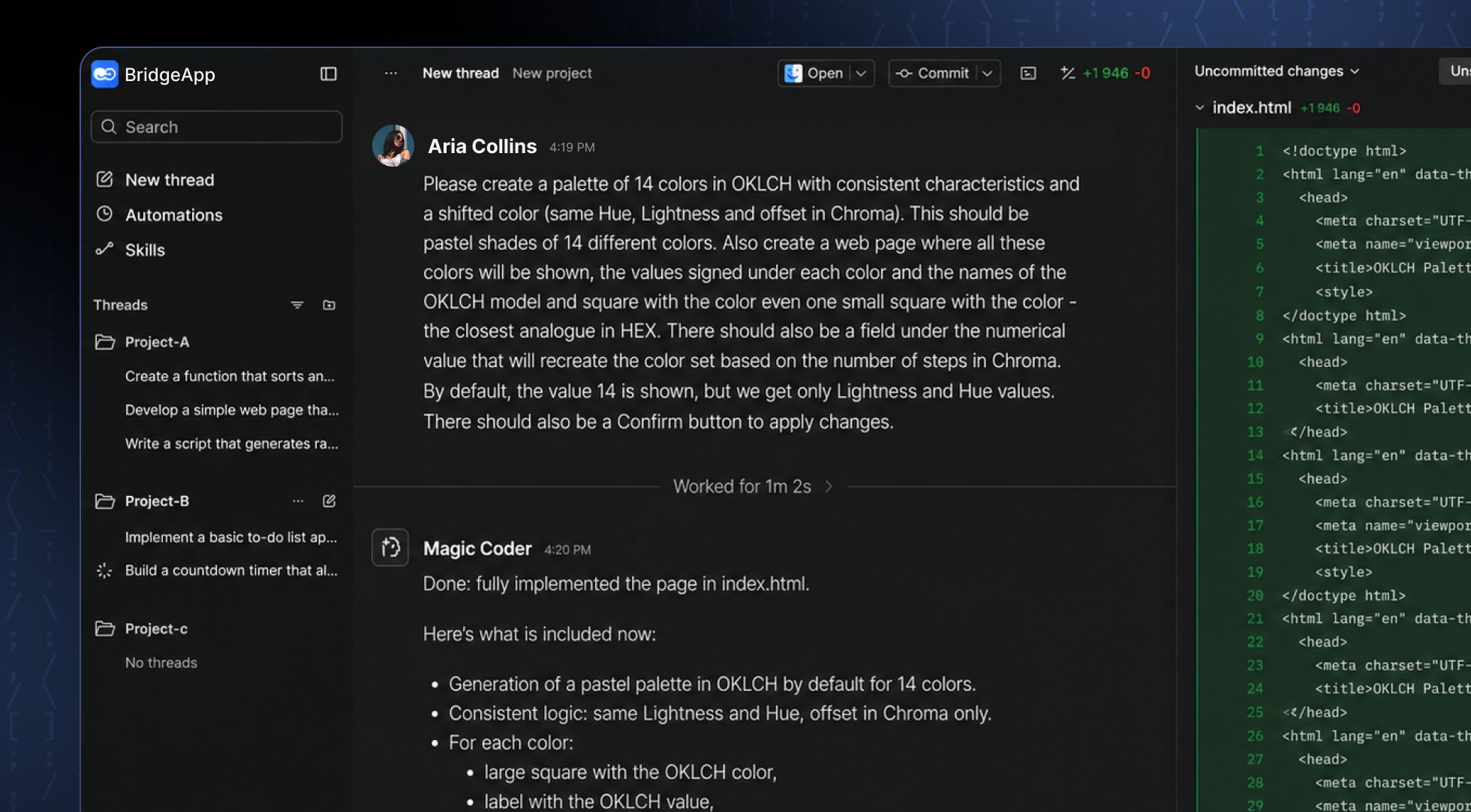
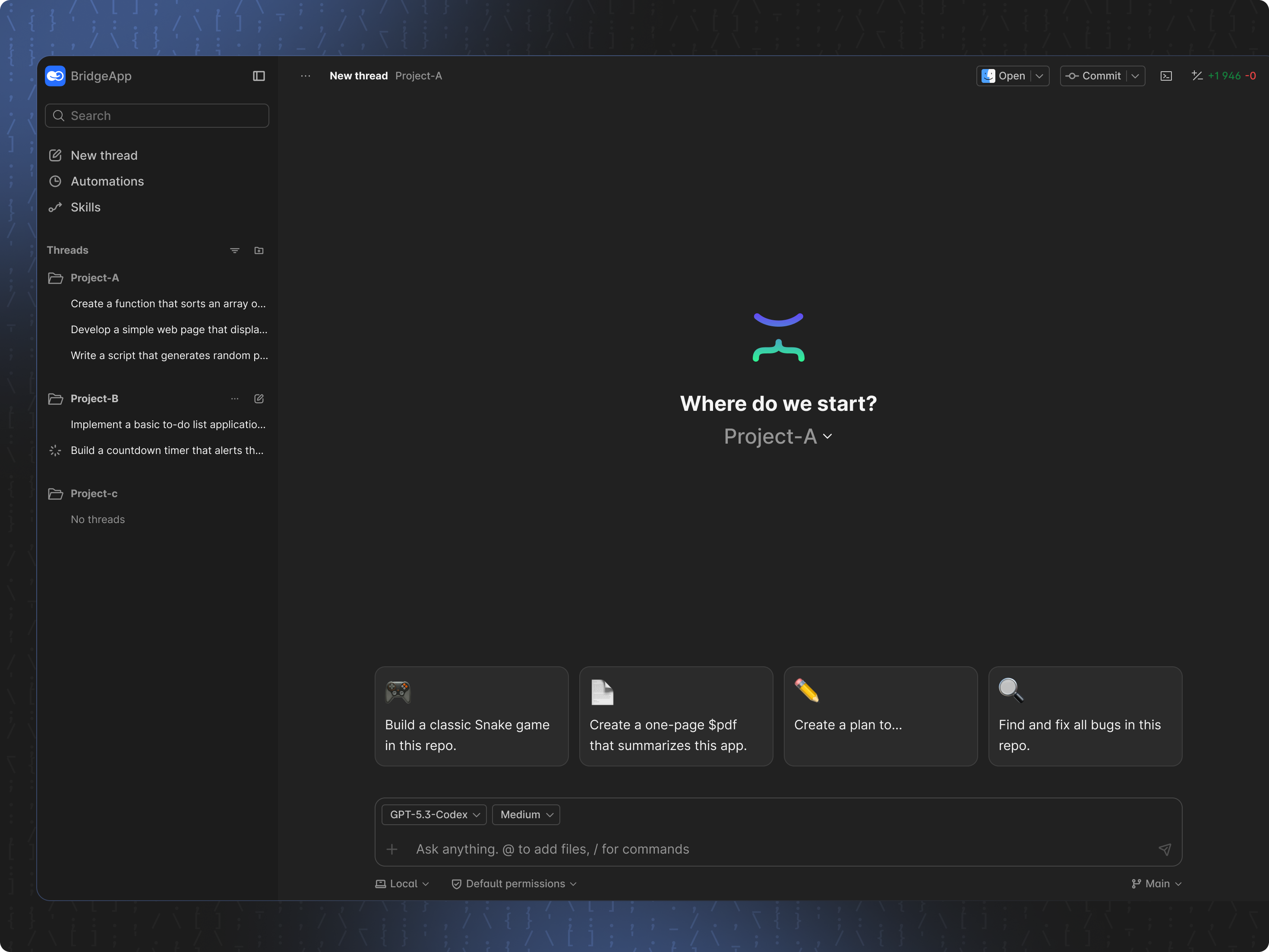
Magic Coder reads a repository's structure - dependencies, call graphs, existing patterns - before proposing any change, so refactors aimed at reducing complexity or duplication land inside the existing architecture instead of producing a plausible-looking diff in the wrong place. Its Plan mode proposes the refactor before touching a file; a human approves the plan, and only then does execution begin.
Coding standards, review checklists, and known debt hotspots can be stored as BridgeApp documents and assigned as Knowledge to custom AI agents, so both Magic Coder and any review agent you configure work from the same standard a human reviewer would check against - not a stale wiki page. Debt items and quality findings sit as tasks on the same board as feature work, with priority and an owner, instead of a separate backlog nobody triages.
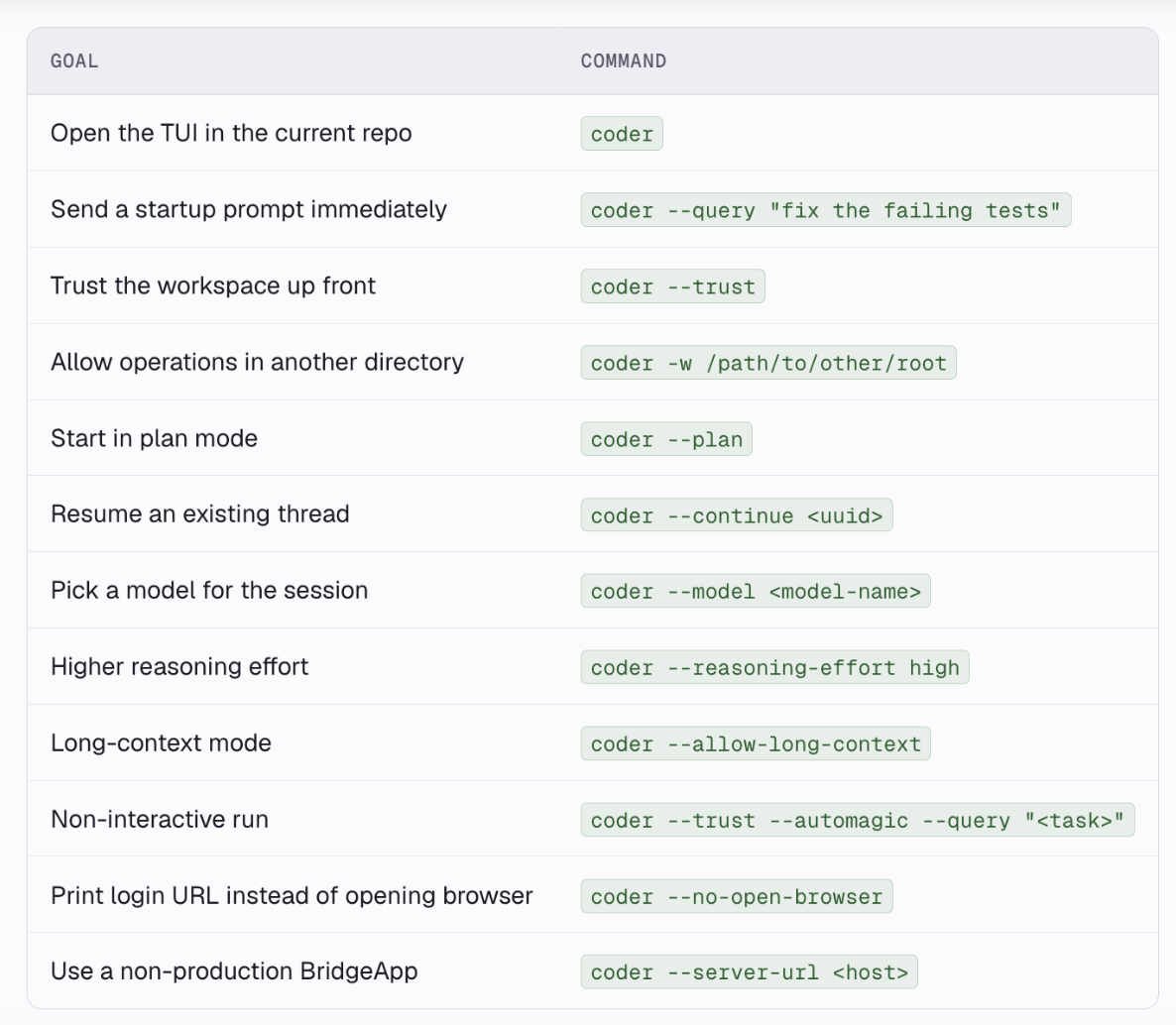
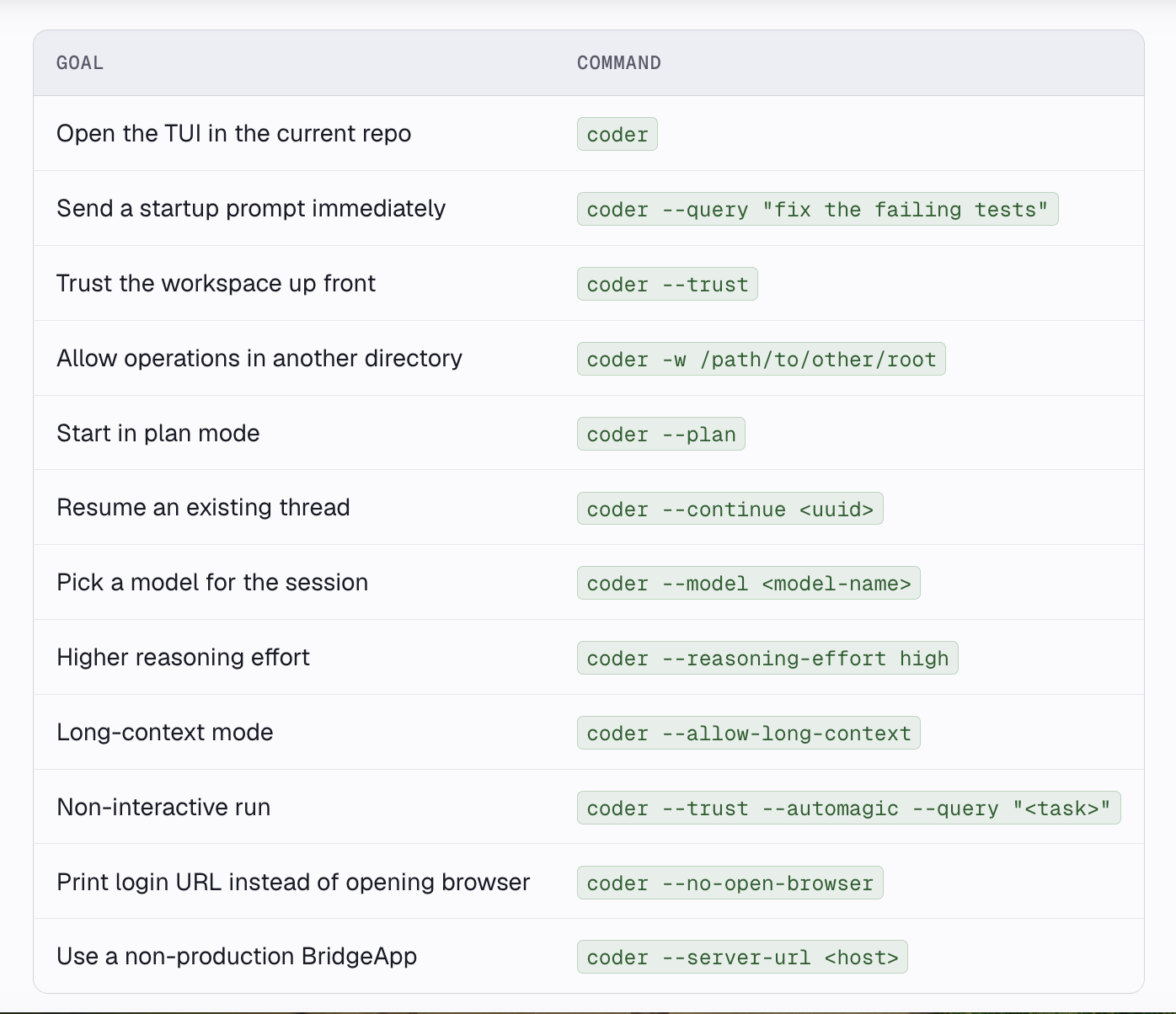
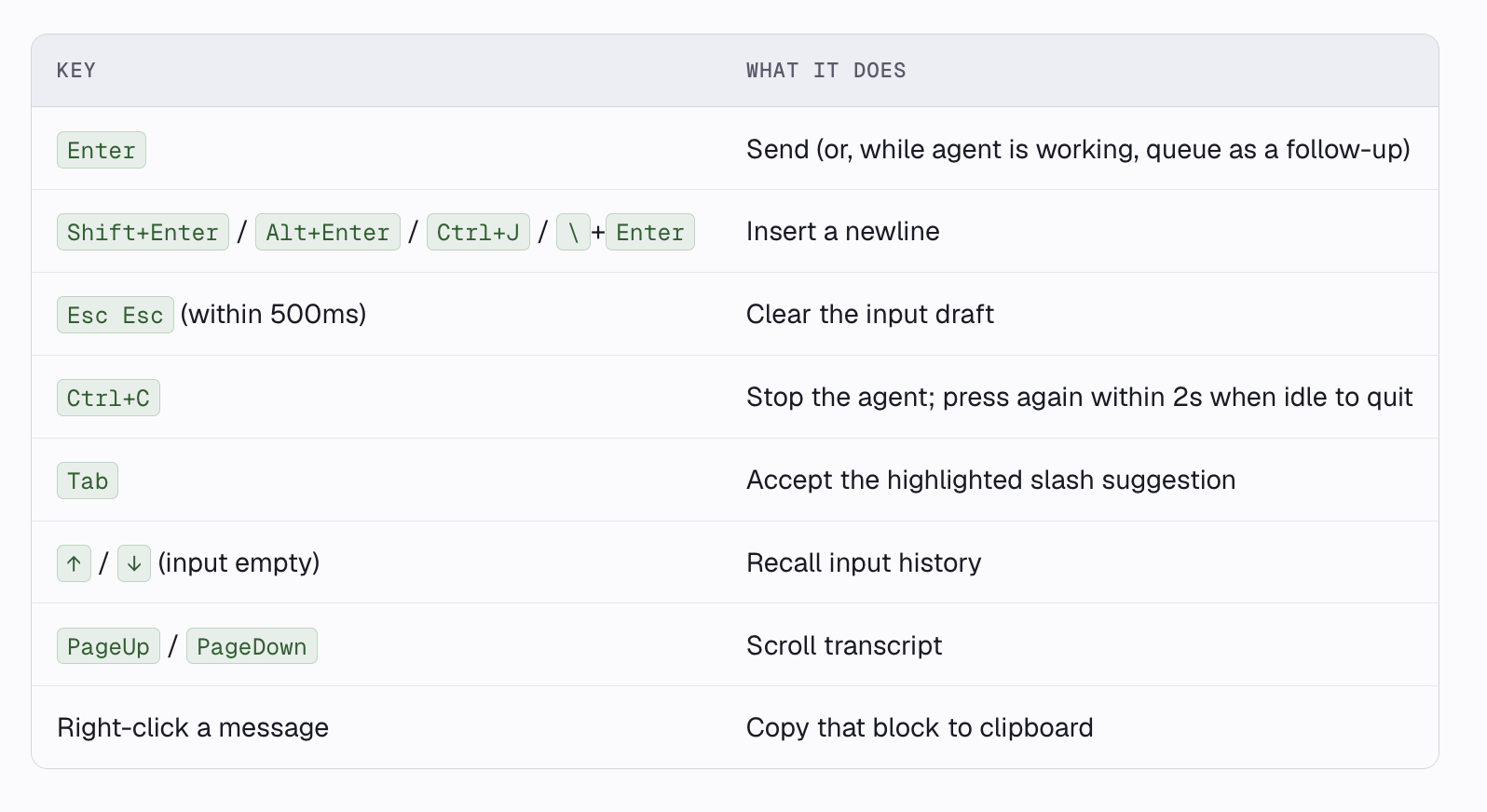
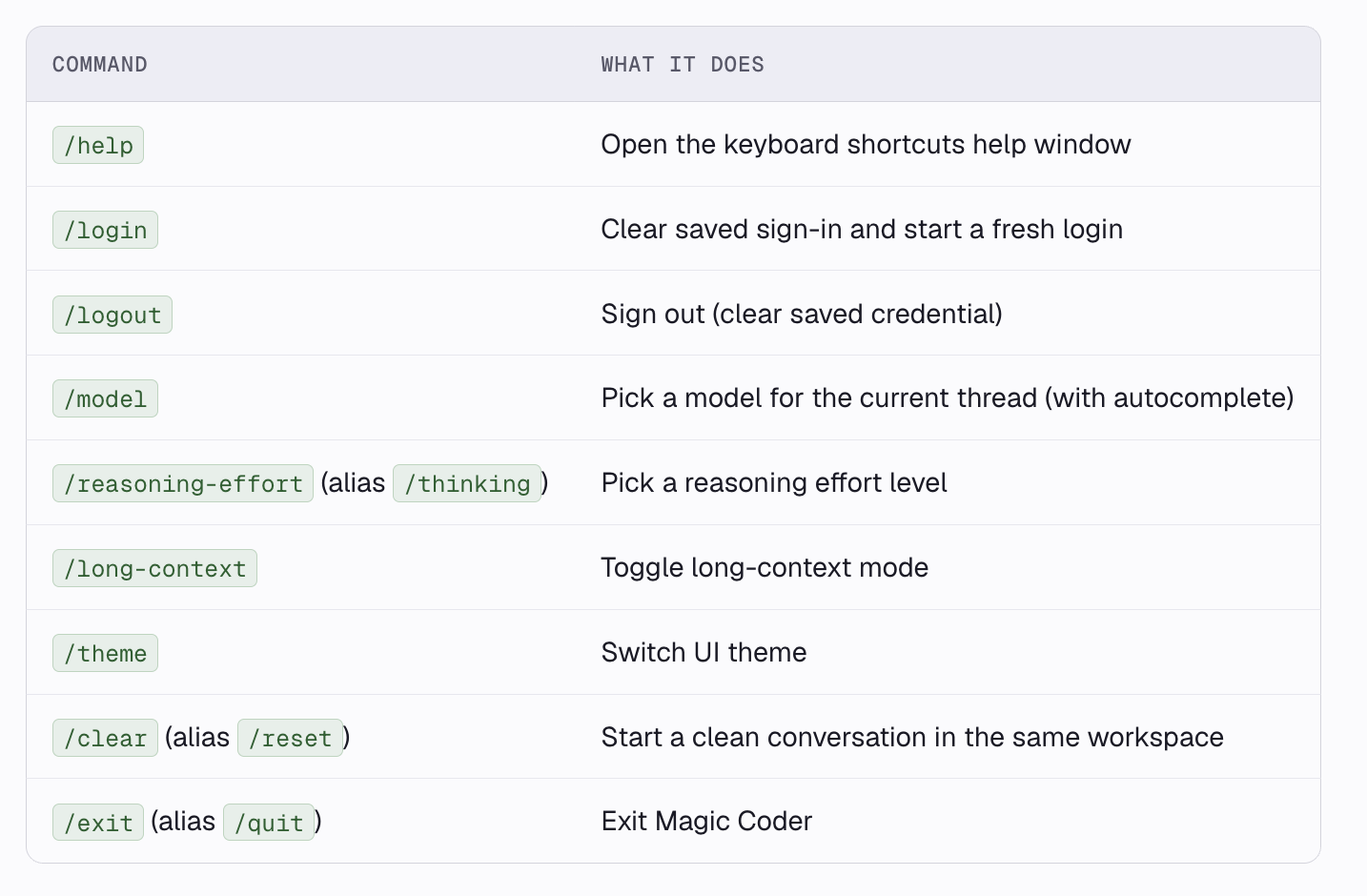
None of this replaces code review or test coverage - it narrows what a human still has to check by hand. Teams in regulated environments can run the same workflow on-premise or in a private cloud, keeping quality data and review history under their own infrastructure.
FAQ
How much code coverage is "good enough" for a production system?
There is no universal number, but many teams aim for around 70–80% line coverage on core business logic and higher for safety-critical components. Lower thresholds are acceptable for glue or generated code. What matters most is covering critical paths and failure modes, then tracking coverage trends over time rather than chasing 100% everywhere. A system with 75% meaningful coverage consistently outperforms one with 95% superficial coverage.
Can we rely on AI tools to ensure code quality?
AI coding assistants can speed up the software development life cycle and suggest fixes, but they do not replace human judgment, domain knowledge, or established quality standards. The Faros 2026 data showed that increased AI use correlated with 54% more bugs per developer, precisely because quality controls did not keep pace.
Treat AI as a powerful assistant inside a framework of code review, tests, and quality gates - which is exactly how Magic Coder by BridgeApp is designed to operate: architecture-aware, working from your team's standards, and stopping for human review rather than merging on its own. Humans remain responsible for final decisions and accountability.
How do we start improving a very large legacy codebase without stopping feature work?
Start with metrics and incident history to identify the most problematic modules. Apply the "boy scout rule": leave code a bit cleaner than you found it with each change. Set aside a small, predictable portion of each sprint (10–20%) for refactoring and technical debt reduction, focusing on areas that directly support upcoming features or fix recurring bugs. Over months, this incremental approach measurably improves code health without halting delivery.
What is the difference between code quality and software quality?
Code quality focuses on internal characteristics of the source code itself: readability, complexity, testability, and adherence to coding conventions. Software quality includes broader aspects like usability, deployment reliability, business correctness, and user satisfaction. Strong code quality is a foundation that supports but does not fully guarantee overall software quality. You still need good product design, operations, and user feedback loops to measure code quality in the context of real-world outcomes.
How often should we review and update our coding standards and quality metrics?
Review coding standards and key metrics at least annually, or whenever you adopt major new technologies such as a new framework, language version, or architecture pattern. Involve both senior developers and representatives from newer team members in these reviews to keep standards practical, current, and widely adopted. Stale standards that no one follows are worse than no standards at all, so treat them as living documents tied to your actual development process.